China imposed export controls on gallium in 2023. By 2025 the restrictions had expanded. The US imports more than 50% of its gallium supply and over 70% of its germanium, both designated critical materials essential for radar systems, missile guidance, satellite electronics, 5G infrastructure, and advanced semiconductors. Neither has a meaningful domestic primary production base. That is the supply chain gap Metallium Limited (ASX: MTM | OTCQX: MTMCF | OTCQX-ADR: MTLMY) is building technology to close — not through mining, but through e-waste.
The company presented at Canaccord Genuity’s Annual Global Metals and Mining Conference in Henderson, Nevada on Tuesday, days after receiving a $1 million Phase II Small Business Innovation Research contract through the Defense Logistics Agency to advance gallium and germanium recovery from electronic waste streams. The Phase II award followed a Phase I program that delivered all technical milestones in approximately half the standard timeframe.
What Flash Joule Heating Actually Does
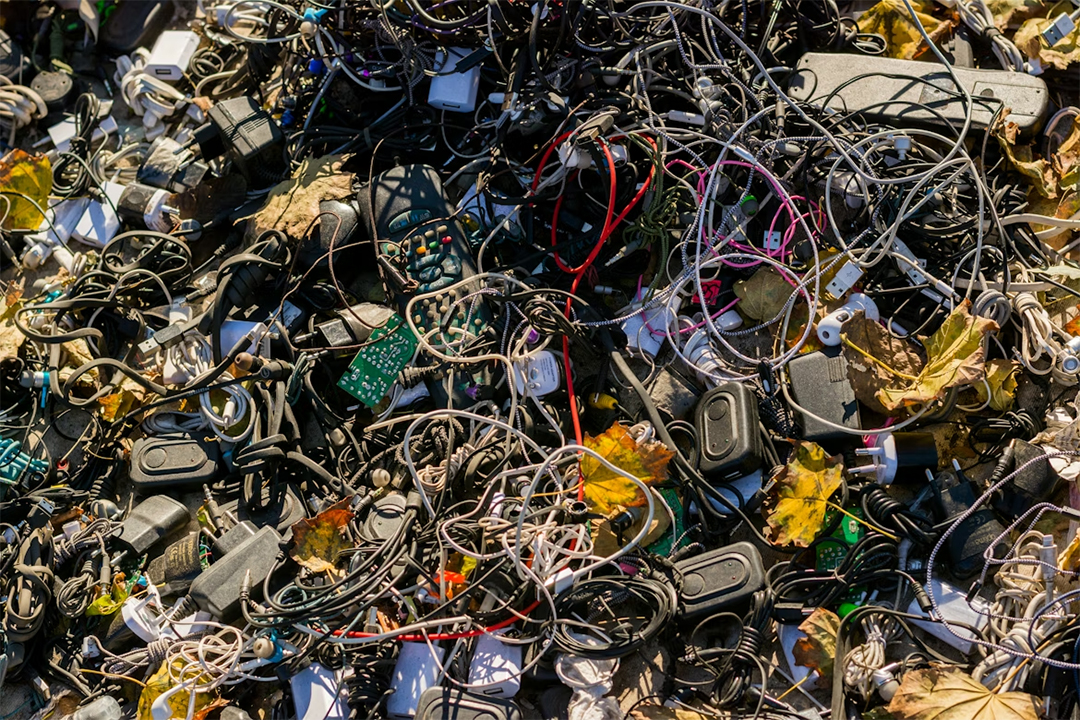
The technology underpinning the Metallium approach is Flash Joule Heating, developed at Rice University by Professor James Tour’s lab. The process applies rapid, high-intensity electrical pulses to a material, generating extreme temperatures in milliseconds. Applied to e-waste, semiconductor scrap, and other metal-rich residues, those temperatures liberate gallium, germanium, gold, silver, tin, palladium, and copper from feedstocks that conventional processing cannot handle cost-effectively.
Phase I results demonstrated approximately 90% gallium recovery and 80% germanium recovery from semiconductor industry waste. The process is electrothermal rather than acid-based, meaning it carries a lower environmental footprint than conventional hydrometallurgical approaches and can operate on stranded urban waste streams rather than requiring primary ore inputs.
The Defense Logistics Agency funded this work because gallium and germanium appear in nearly every advanced defense system the US military operates. Domestic recovery from waste is one of the few realistic near-term alternatives to Chinese supply.
Building the Texas Footprint
Metallium’s commercial buildout is running at the Gator Point Technology Campus in Chambers County, Texas. The company is targeting three FJH reactors capable of processing 3 to 5 tonnes per day of raw printed circuit boards in parallel by June 2026, with an 8,000-tonne-per-year capacity target for the site overall.
In January 2026, Metallium completed an A$75 million strategic capital raise to fund the Texas buildout and support a planned NASDAQ uplist, which the company expects to complete this year. In March 2026, it signed a long-term offtake agreement with Indium Corporation, a major US supplier of critical metals including gallium and germanium, providing a commercial destination for recovered materials before the campus reaches full production.
Rice University’s Tour Group is engaged under a resource-sharing arrangement, maintaining the R&D link to the original technology development while Metallium advances toward commercial deployment.
The Supply Chain Case
CEO Michael Walshe’s framing at the Canaccord conference — the “weaponization of the periodic table” — captures something accurate about the structural problem. China’s dominance in gallium and germanium is not primarily a mining story. It is a processing story. China built vertically integrated refining infrastructure over decades, using state coordination, cheap energy, and chemical processing expertise that Western industries largely dismantled. Controlling midstream processing of host metals like zinc and coal fly ash, from which gallium and germanium are recovered as byproducts, means controlling the byproducts regardless of where primary metals are mined.
The FJH approach sidesteps that problem differently: by treating the accumulated stock of electronic waste in the US as a domestic feedstock. Every printed circuit board, semiconductor fabrication scrap pile, and end-of-life defense system contains gallium and germanium that currently has no domestic recovery pathway. Metallium is building the technology and the facility to change that.
This is early-stage commercialization. The Phase II DoD contract funds pilot-scale advancement, not full commercial production. NASDAQ uplisting, Phase III contract eligibility, and broader commercial deployment follow if the technology performs at scale as it has in Phase I. The risk profile is that of a development-stage company with validated technology, government backing, and an offtake agreement — material progress, but not yet a producing operation.
Sources
- Metallium Limited
- Semiconductor Today: Metallium Phase II SBIR Contract
- Discovery Alert: Metallium Gallium Germanium E-Waste Recovery
- TradingView: Metallium Texas Scale-Up to 8,000 tpa
- StockTitan: Metallium Phase I Completion
- Mining.com: Flash Metals USA Wins DoD Contract
- Mining Connection: Metallium Secures DoD Contract
Editorial Disclosure
This article is based on a press release issued by Metallium Limited and expanded with independent company and market data. Metallium Limited is listed on the Australian Securities Exchange (ASX: MTM) and trades on OTCQX (MTMCF; OTCQX-ADR: MTLMY). This article does not constitute investment advice or a recommendation to buy or sell any security. Trading in securities of development-stage companies should be considered speculative. The company has not yet reached commercial production at the Gator Point campus. SBIR Phase II contracts support pilot-scale advancement and do not guarantee commercial success or further government funding. Offtake agreements are subject to production milestones and commercial terms. NASDAQ uplisting is planned but not yet completed. Market prices cited reflect the date of publication and may differ from current prices. The information provided on this website is for informational and educational purposes only. Our content is derived strictly from verified online sources to ensure accuracy and objectivity. This analysis does not constitute financial, investment, or professional advice. Readers are encouraged to consult with qualified professionals before making decisions based on this information. For more information, please see our full DISCLAIMER.