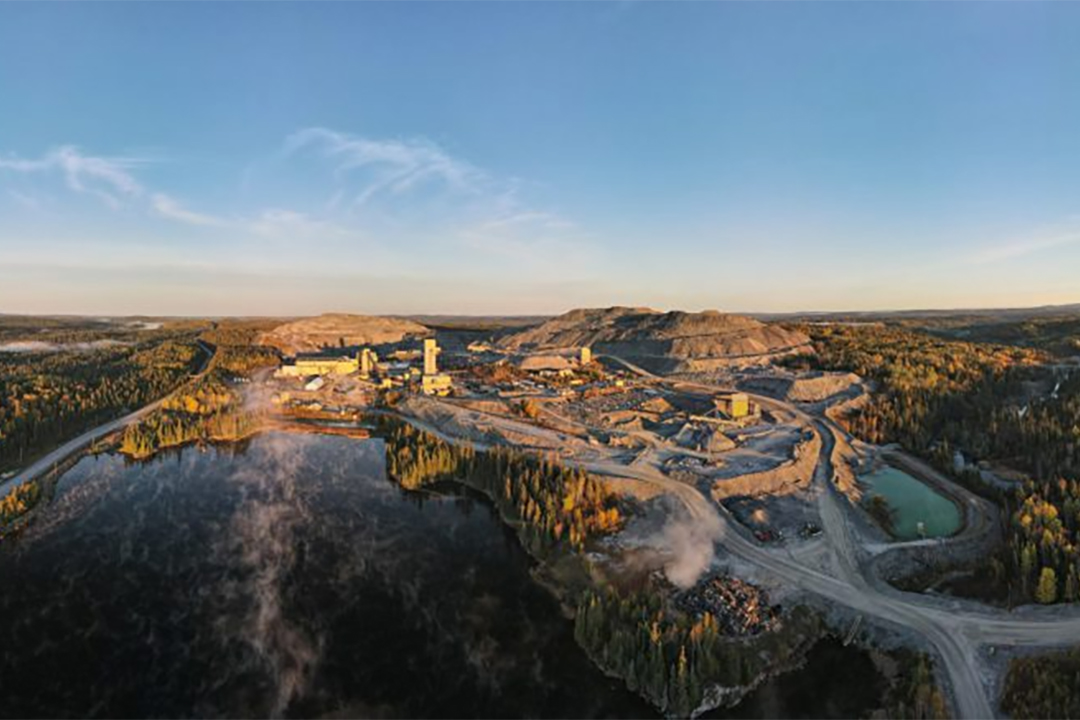
The Hemlo Gold Mine in northwestern Ontario has produced approximately 25 million ounces of gold since 1985. It is one of Canada’s most storied mines. It is also, apparently, not finished surprising its geologists.
Hemlo Mining Corp. (TSXV: HMMC | OTCQX: HMMCF) reported initial results this week from its newly defined South-Rim Zone, a structurally controlled mineralized domain sitting 50 to 150 metres from active underground mining in the C-Zone. The best intercept returned 16.07 g/t gold over 8.1 metres, including 59.67 g/t over 2.0 metres. Five of the first seven holes drilled hit significant mineralization.
These are downhole lengths. True widths are estimated at 30 to 70% of those figures, a meaningful range that will narrow as the program advances.
What Makes This Discovery Different
Near-mine discoveries at operating gold mines are among the most valuable outcomes in exploration. No new road, power line, shaft, or processing facility required. If South-Rim mineralizes into a resource, it feeds the same mill, the same infrastructure, the same workforce already in place at Hemlo. At gold above $4,600 per ounce, the economics of that scenario are compelling.
The geological story behind the discovery is equally interesting. The regional metasediment horizons at Hemlo received limited systematic drilling for decades because the structural controls on mineralization were not well understood. Previous exploration focused elsewhere. Hemlo Mining’s geology team completed a comprehensive reinterpretation of all available historical drill data and recognized for the first time that scattered historical intersections in the metasediments are part of a single, plunge-controlled system extending more than 1.5 kilometres vertically within a roughly 300-metre-wide east-west corridor.
That reinterpretation opened a new exploration domain across a mine that has been in continuous production for four decades. The discovery of South-Rim is the validation of that interpretation by drilling.
The 2026 Program Behind It
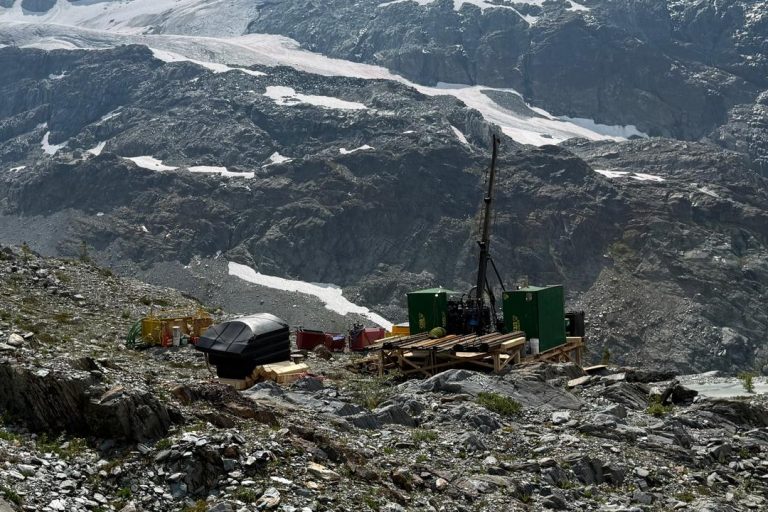
South-Rim results represent the first major deliverable from the growth component of Hemlo Mining’s 130,000-metre 2026 drilling program, the largest exploration investment since the company acquired Hemlo from Barrick Mining for up to US$1.1 billion in November 2025. The program runs across three tracks: 70,000 metres of resource conversion, 30,000 metres of high-definition drilling to de-risk the near-term mine plan, and 30,000 metres of growth drilling targeting new mineralized zones.
Approximately 28,400 metres have been completed to date across all three programs. Six drills are operating, with two more expected to mobilize this month. Resource conversion and high-definition results will follow in subsequent releases. The full program is designed to support an updated resources and reserves technical report expected in the second half of 2027.
The company’s current mineral reserve base stands at 2,321 thousand ounces of probable gold at an average grade of 1.75 g/t. Q1 2026 production was 34,764 ounces, putting the operation on a roughly 140,000-ounce annual run rate, consistent with 2025 full-year output of 143,458 ounces — the highest from the Hemlo camp in four years.
What Comes Next at South-Rim
Thirteen more holes are planned at South-Rim. The exploration strategy now turns toward the B-Zone, where historical intersections within equivalent South-Rim horizons remain largely untested. Beyond that, the same metasediment package remains open across the full east-west extent of the mining concession, from the E-Zone through to the historical Golden Giant and David Bell workings.
The recognition that the regional metasediments can host a high-grade, plunge-controlled gold system of this scale represents a genuine shift in the geological model for the Hemlo camp. Whether the remaining 13 South-Rim holes confirm a resource, and how far the B-Zone and beyond extend that potential, will be answered progressively through the remainder of 2026.
Inferred mineral resources referenced here are not mineral reserves and do not have demonstrated economic viability. True widths remain estimates pending additional drilling. Results have been prepared in accordance with NI 43-101 standards.
Sources
- Hemlo Mining Corp.
- Hemlo Mining 130,000m 2026 Drilling Program Announcement
- Hemlo Mining Q1 2026 Operating Results
- Hemlo Mining 2025 Production Announcement
Editorial Disclosure
This article is based on a press release issued by Hemlo Mining Corp. and expanded with independent company data. Hemlo Mining Corp. is listed on the TSX Venture Exchange (HMMC) and OTCQX (HMMCF). This article does not constitute investment advice or a recommendation to buy or sell any security. Trading in securities of junior and mid-tier mining companies should be considered speculative. Drill intercepts reported are downhole lengths; true widths are estimated at 30 to 70% of reported downhole lengths. Inferred mineral resources are not mineral reserves and do not have demonstrated economic viability. Scientific and technical information has been reviewed and approved by a NI 43-101 qualified person. Results have been prepared in accordance with NI 43-101 standards, which differ from SEC reporting requirements applicable to US domestic companies. An updated resources and reserves estimate is not expected until H2 2027. Gold prices cited reflect the date of publication and may differ from current prices. Forward-looking statements are subject to risks and uncertainties as described in the company’s public filings available at sedarplus.ca. The information provided on this website is for informational and educational purposes only. Our content is derived strictly from verified online sources to ensure accuracy and objectivity. This analysis does not constitute financial, investment, or professional advice. Readers are encouraged to consult with qualified professionals before making decisions based on this information. For more information, please see our full DISCLAIMER.