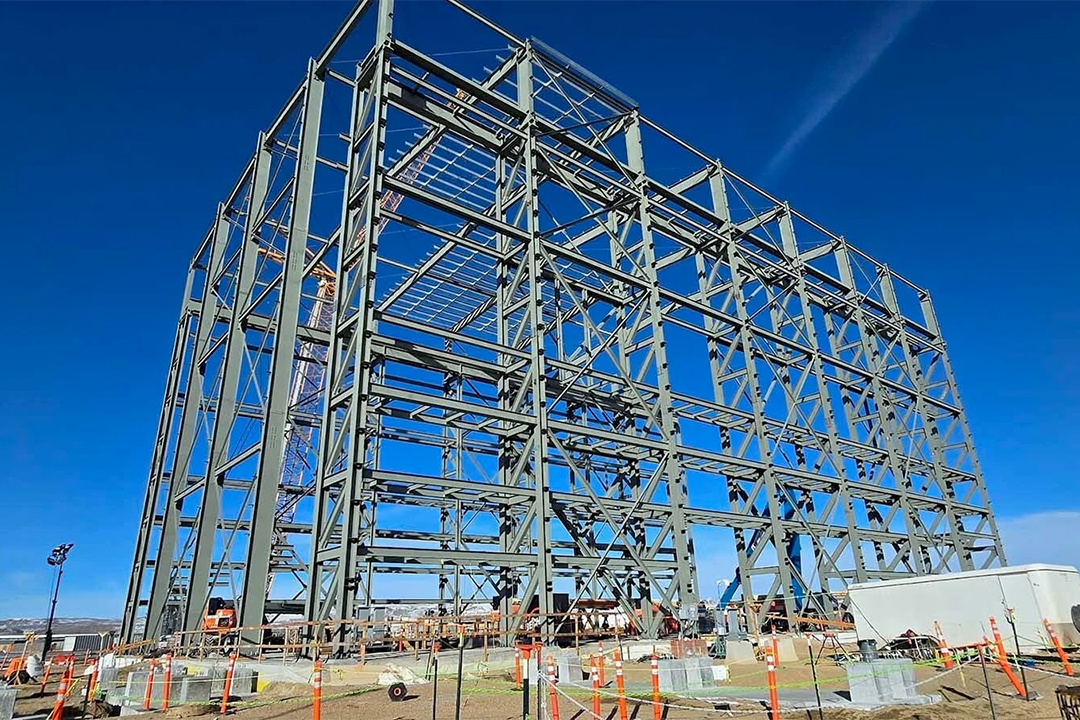
The Historic Vote to Begin Construction on the Natrium Reactor
In a landmark decision for the American energy sector, the U.S. Nuclear Regulatory Commission (NRC) voted on March 4, 2026, to issue the first ever construction permit for a commercial scale advanced nuclear power plant. This permit was awarded to TerraPower for its Kemmerer Unit 1 project located in Wyoming.
The approval marks the successful conclusion of a streamlined 18 month review process, which was significantly shorter than the initial 27 month estimate. It signals a major shift in regulatory efficiency for non light water reactors. The Natrium technology combines a 345 MW sodium cooled fast reactor with integrated molten salt energy storage. The project is now poised to begin construction in the coming weeks with a target completion date of 2030.
Meeting High Energy Demand with Flexible Baseload Technology
The Natrium plant is not a traditional nuclear facility. It utilizes a decoupled design that separates the nuclear island from the energy production side. This allows for safer operations and higher efficiency than legacy systems.
Core Specifications of Kemmerer Unit 1:
- Base Reactor Output: 345 MW sodium cooled fast reactor.
- Peak Output Capability: 500 MW via molten salt energy storage.
- Coolant System: Liquid sodium allows for higher temperature operation at lower pressure than water.
- Storage Advantage: The system can store heat for over five hours, allowing the plant to ramp up when demand peaks.
A Regulatory Shift Accelerated by Early Engagement and Policy Support
The approval of the Kemmerer permit provides a critical de-risking signal to private capital markets. For years, advanced nuclear was viewed as a high risk investment due to the regulatory valley of death, which is the period between design finalization and construction. By cutting nine months off the expected review time, the NRC has effectively shortened the capital intensive pre-revenue phase of this project.
From a competitive standpoint, TerraPower is now the clear frontrunner in the coal to nuclear market. With dozens of coal plants slated for retirement across the Western U.S., the Kemmerer model offers a blueprint for repurposing existing grid connections. For investors, the integrated storage system adds a second revenue stream: the plant can sell baseload power during low demand hours and premium peaking power when the grid is strained. This dual market capability significantly improves the internal rate of return compared to traditional nuclear assets.
Advancing the Modern Nuclear Pipeline through Federal Partnerships
The NRC approval is a proof of concept for what many call the Modern Nuclear Pipeline. For decades, the primary barrier to nuclear deployment was a regulatory framework built exclusively for water cooled reactors. By completing this review in 18 months, the NRC has demonstrated that it can adapt to high tech and non traditional designs without compromising safety.
Strategically, the Natrium project addresses the missing link in the energy transition: flexible baseload power. Traditional nuclear plants are difficult to ramp up and down; however, Natrium’s molten salt storage allows it to behave like a massive battery. This makes it commercially viable in markets with high wind and solar penetration. It can store energy when the sun is shining and dump 500 MW onto the grid when demand peaks. The shift toward an 18 month review cycle suggests that regulatory risk is finally beginning to diminish; this is a massive win for the industry.
Sources
- TerraPower: NRC Approves Natrium Construction Permit Announcement
- U.S. NRC: Advanced Reactor Licensing Dashboard and Status
- Department of Energy: Advanced Reactor Demonstration Program (ARDP) Overview
- World Nuclear News: TerraPower Wyoming Construction Progress
Editorial Disclosure. This report is for informational and educational purposes only. This article includes subjective analysis and expert commentary from the writer. It is based on verified press releases and corporate announcements. This content does not constitute financial or technical advice. Read our full Disclaimer.