The bottleneck for artificial intelligence is no longer found in the code. It is found in the electrical grid. As the era of agentic AI accelerates, global ICT infrastructure is hitting a physical limit. Global electricity consumption for data centers is projected to exceed 1,000 TWh by 2030. This represents a doubling of demand in less than five years, requiring energy innovations to alleviate massive grid constraints.
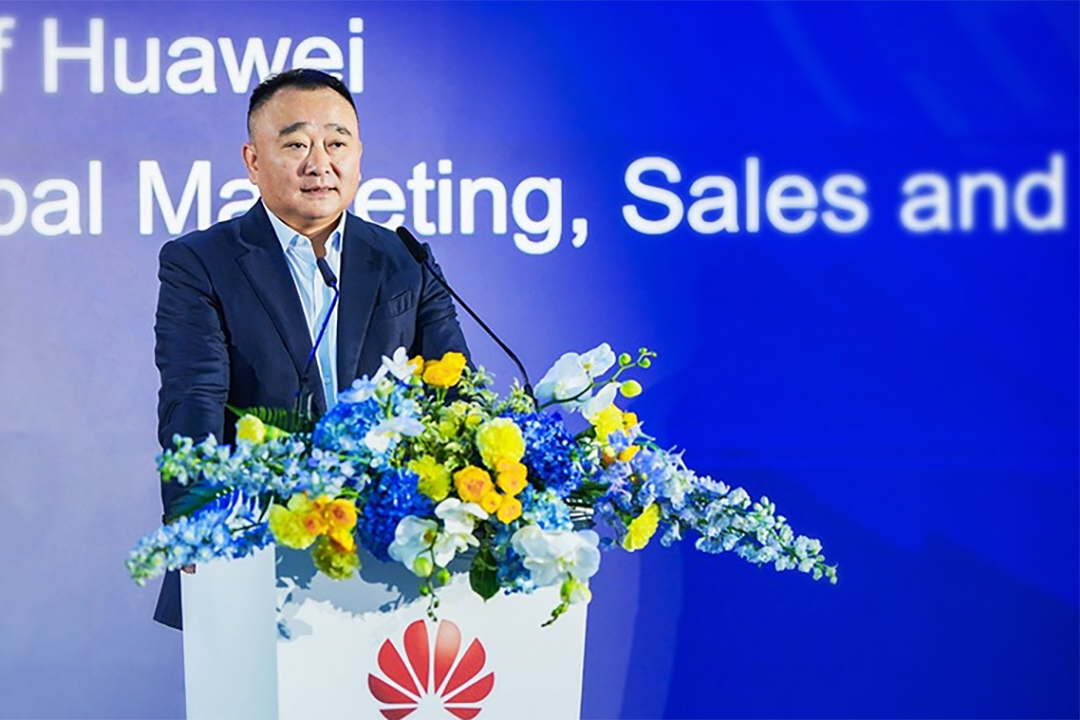
At MWC Barcelona 2026, Huawei Digital Power moved to address this constraint. Bob He, Vice President of Huawei Digital Power, introduced a strategy focused on transforming passive infrastructure into active power producers. The goal is to move beyond hardware sales and restructure how the grid interacts with the data center.
Turning Telecom Towers into Revenue Streams
A traditional cell tower has historically been a cost center. It requires a constant utility connection and expensive battery backups that sit idle most of the time. Huawei is changing this dynamic with the New-Generation AI-Powered Green Site.
By using Virtual Power Plant technology, operators can now link their onsite energy storage to the local electricity market. In Northern Europe, this shift has allowed operators to generate over 2,000 Euros in annual revenue per site by feeding power back to the grid during peak demand. In other regions, the integration of intelligent solar scheduling has reduced fuel consumption by 75 percent. This saves approximately 10,000 dollars per site annually while increasing power availability to 99.9 percent.
The Architecture of the Gigawatt Era
The industry is moving from the megawatt era into the gigawatt era. Single AI campuses now require as much power as a medium sized city. Huawei’s GW-level AIDC solution focuses on the metric of Tokens Per Watt.
To solve the delivery bottleneck, Huawei has productized the power and cooling links. The PowerPOD and IT POD systems allow for modular construction. This approach compresses the typical industry renovation cycle from nine months down to just four. By integrating cooling and power into a single loop, these facilities can handle the high rack densities required by 2026 AI models.
AI as the Operator
The 2026 market consensus is that human intervention is too slow for modern data center management. Huawei has introduced the MindOps platform to automate the entire lifecycle of the facility.
MindOps uses a digital twin to monitor the health of every component. It shifts maintenance from a reactive model to a proactive model. The system identifies potential faults in cooling pumps or power modules before they fail. This is designed to increase AI cluster availability from the industry average of 90% to 99.9%. In an environment where a single hour of downtime can cost millions in lost compute, this reliability is the primary differentiator.
The Physics of the Infrastructure Supercycle
The global data center sector is currently in a 3 trillion dollar investment supercycle. Nearly 100 GW of new capacity will be added between 2026 and 2030, doubling global capacity. Power availability has replaced location as the primary criteria for site selection.
The shift is driven by the rise of AI inference. While training a model requires a massive one time burst of energy, inference requires a constant and growing stream of power as the model is used by millions of agents. This shift is pushing demand out from centralized hubs to the network edge. Huawei is positioning its digital power business to capture this transition by treating energy as a software-defined asset.
The Reality on the Ground
The risks to this transition are real. They are stated plainly.
First, the revenue model for Virtual Power Plants depends entirely on local energy regulations. If a regional government does not allow private entities to bid power back into the grid, the economic case for these Green Sites weakens.
Second, the capital intensity of GW-level data centers is unprecedented. Operators are betting billions on the assumption that AI demand will remain linear. If the return on investment for AI software plateaus, the market could find itself with an oversupply of expensive and highly specialized physical assets.
Finally, the talent gap remains a constraint. There is a global shortage of engineers who understand both high voltage electrical systems and AI cooling requirements. If the service layer cannot keep up with the hardware deployment, the promised uptime will not be realized.
Editorial Disclosure. This report is for informational and educational purposes only. This article includes subjective analysis and expert commentary from the writer. It is based on verified press releases and corporate announcements from Huawei Digital Power at MWC Barcelona 2026. This content does not constitute financial or technical advice. Read our full Disclaimer.