Biotech & Life Sciences

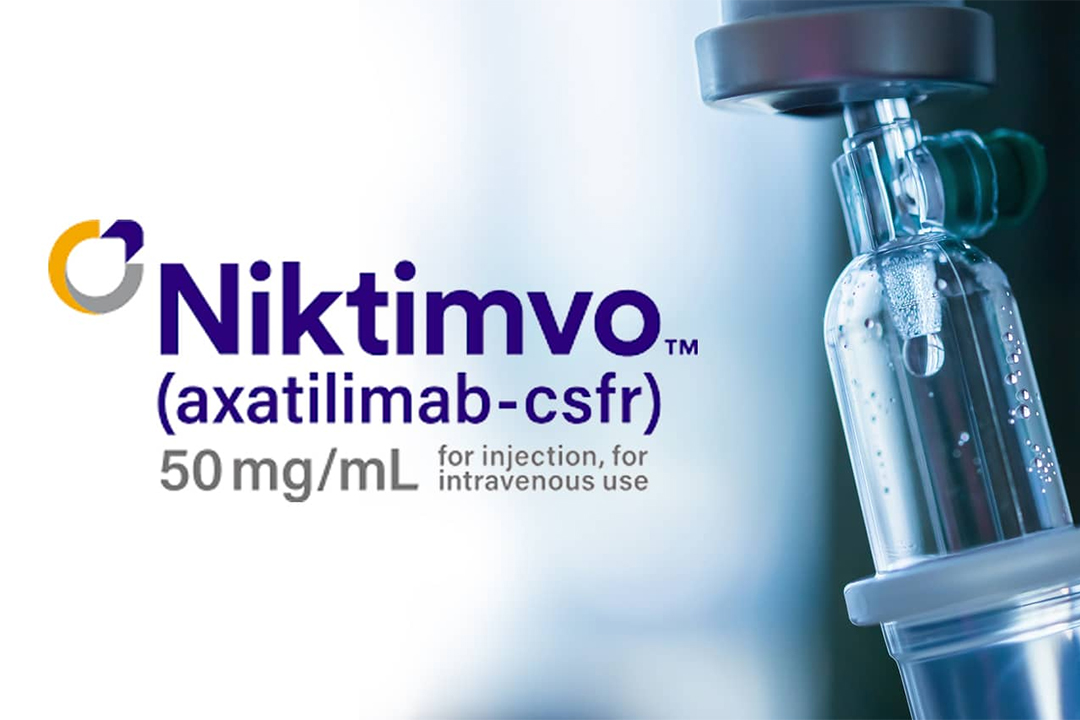
Australia Just Approved the First New Therapy for Chronic GVHD
Chronic graft-versus-host disease develops when donated stem cells attack the patient’s own body. It affects 40 to 50% of stem cell transplant recipients. In most cases three or more organs are involved. For patients who have already failed two lines of treatment, the options until now have been limited and the outcomes often poor. Australia…

The World’s First AI-Designed Drug Just Got Cleared for Direct-to-Lung Trials in IPF
Idiopathic pulmonary fibrosis kills most patients within three to five years of diagnosis. There is no cure. The two approved treatments slow the scarring but do not stop it, and both carry significant side effects that limit tolerability. Rentosertib was designed by an AI. Not assisted by an AI. Designed by one, from target identification…
The Drug That Could Make GLP-1 Injections Optional Just Hit a Key Milestone
The GLP-1 drug market is already worth over $50 billion annually. Every major player in it requires an injection. That is the gap ASC30 is targeting. Ascletis Pharma (HKEX: 1672) announced on April 26, 2026 that it has completed enrollment in its 13-week US Phase II study of ASC30, an oral small molecule GLP-1 receptor…

1 in 3 Americans Say AI Caught What Their Doctor Missed — Here’s What the Data Shows
One in three Americans say AI caught a health problem their doctor missed. Nine in ten of those conditions were later confirmed by a healthcare provider. Those are not small numbers. And they come from a survey of 1,000 adults conducted by Testing.com in April 2026, using the Pollfish platform with attention checks and fraud…
OZMOSI and Planview Just Solved Pharma’s Biggest Planning Problem
Pharmaceutical R&D has a data problem that has nothing to do with a shortage of data. Drug developers sit on enormous volumes of information: clinical trial registries, regulatory filings, scientific literature, competitor disclosures, pipeline announcements. The problem is that it lives in disconnected silos, built on inconsistent taxonomies, in formats that resist machine-readable analysis. A…
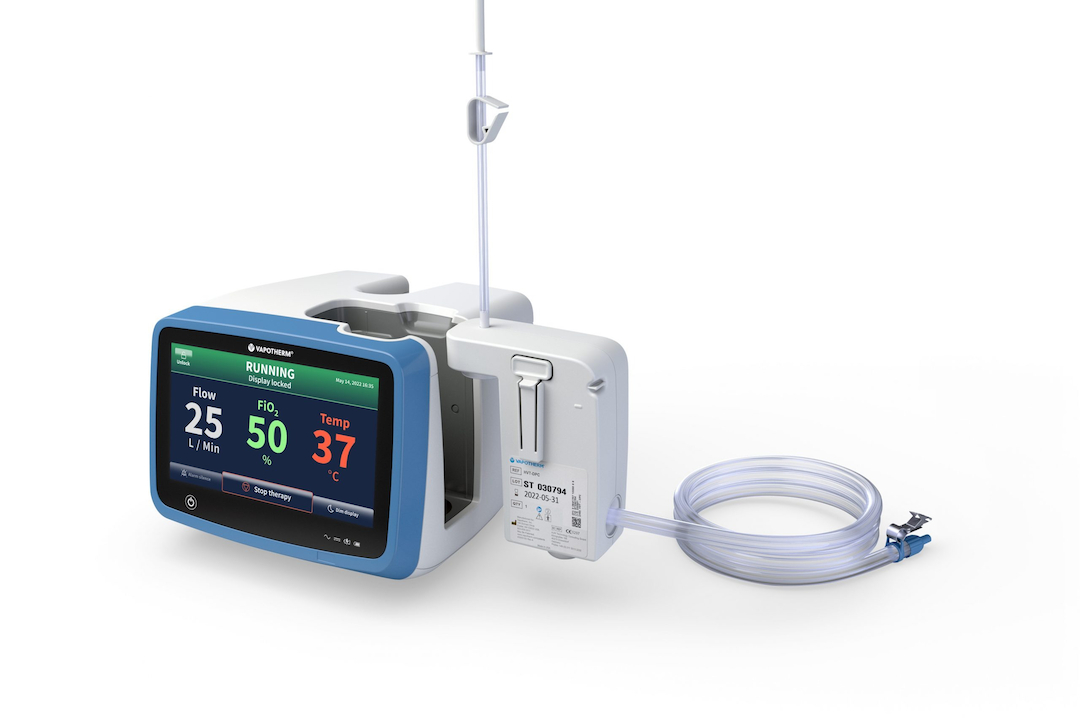
Vapotherm Just Solved a Problem Every ICU and NICU Shares
A premature infant in the NICU and a 70-year-old in the ICU need completely different respiratory support. Different flow rates, different circuit sizes, different setup requirements. Until now, that meant different disposable circuits, different inventory, different workflows for clinical staff managing both populations at once. One FDA clearance just changed that. On April 21, 2026,…
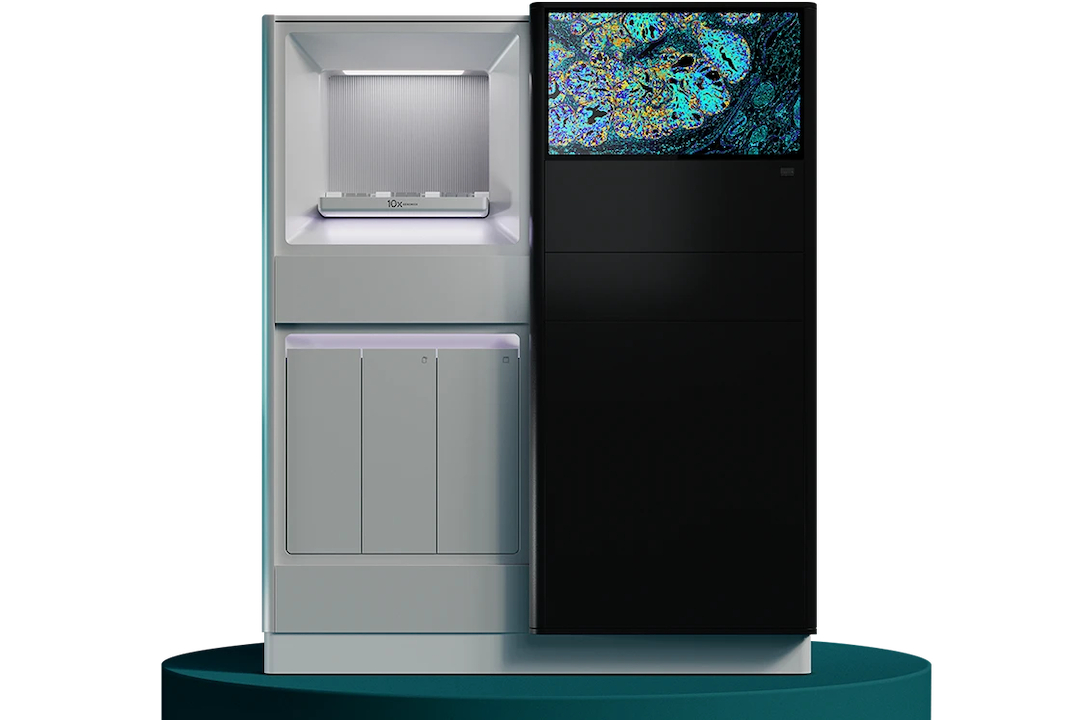
Tumors Were Hiding Immune Cells. Atera Just Found Them.
A new instrument just removed the biggest constraint in cancer biology research. Here’s why that matters. To understand how cancer develops, you need to know three things simultaneously. Which genes are being expressed in a cell. Which specific cell is expressing them. And exactly where in the tissue that cell sits. The problem is that…
Medline Just Became the First Healthcare Company to Deploy Symbotic’s AI Warehouse System
The robots that stock Walmart’s shelves are coming to healthcare supply chains. This is why it took so long. Symbotic’s AI robotics system is not new technology. Walmart has been deploying it at scale. So have large consumer goods distributors. The system depalletizes inbound freight, stores individual items, retrieves them on demand, and builds outbound…
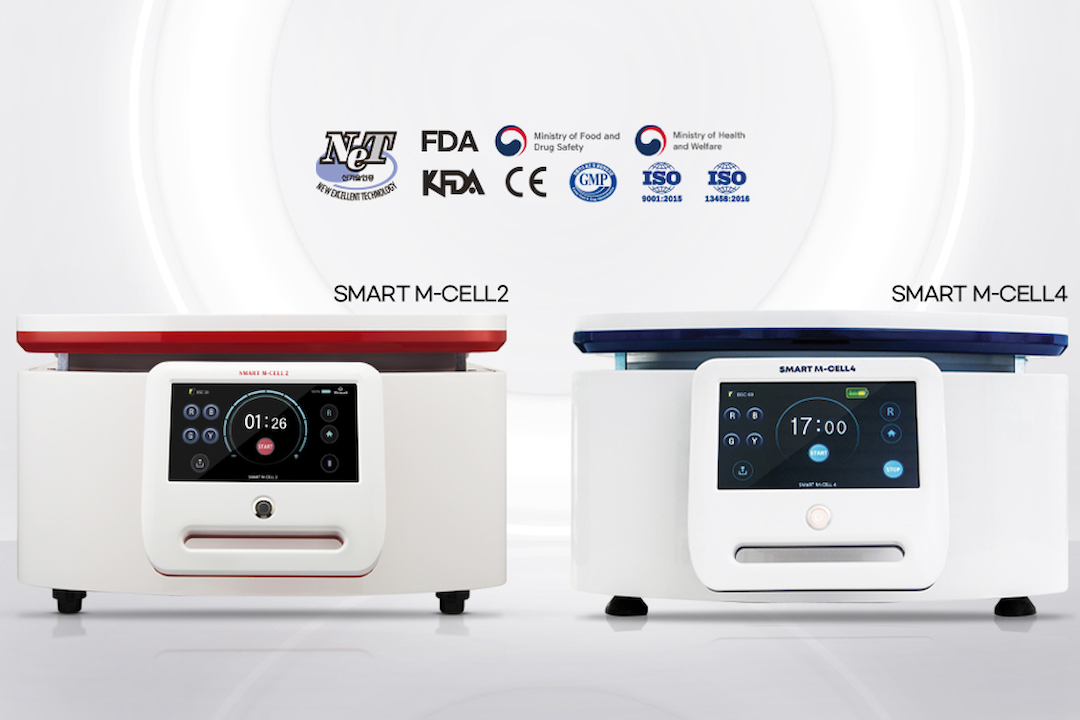
Miracell’s FDA Clearance Is a Big Deal for Regenerative Medicine. Here’s Why.
The FDA just cleared a Korean stem cell extraction system that outperforms the Harvard standard it was benchmarked against The benchmark matters. When the FDA clears a medical device under the 510(k) pathway, it grants clearance based on demonstrated substantial equivalence to a predicate device already on the market. Miracell chose SmartPReP as its predicate.…
The Missing Piece of the Ozempic Revolution Just Got a Clinical Trial
Ozempic, Wegovy, and Mounjaro have transformed how medicine treats obesity and type 2 diabetes. Tens of millions of Americans are now on GLP-1 receptor agonists, and that number is growing fast. But there is a problem that does not get discussed enough in the coverage of this pharmaceutical revolution: a significant proportion of patients stop…