OceanaGold Corporation (TSX: OGC | OTCQX: OCANF) has released six new drill results from its Wharekirauponga deposit in New Zealand, and they are exceptional. The headline intercepts include 14.9 meters at 16.3 g/t gold, 5.4 meters at 25.8 g/t gold, and 5.5 meters at 24.1 g/t gold. To put those numbers in context, anything above 5 g/t is considered high-grade in the gold mining industry. These results are three to five times that threshold, from a deposit that sits just 10 kilometers north of OceanaGold’s operating Waihi mine in New Zealand.
The more significant news is what the drilling tells us about the deposit’s future. A new southern high-grade zone is emerging that sits outside the current mineral reserves and closer to the planned underground access point. Wharekirauponga is getting bigger in exactly the right direction.
What Wharekirauponga is and why it matters to OceanaGold’s future
Wharekirauponga, known in the industry as WKP, is an underground gold deposit hosted in epithermal veins, the same geological system that made the nearby Waihi mine one of New Zealand’s most productive gold operations for decades. The proximity to Waihi is commercially important: OceanaGold can potentially leverage existing processing infrastructure, experienced local workforce, and established community relationships to develop WKP at lower capital cost than a standalone mine would require.
The deposit has been steadily growing through an ongoing drilling program. The current results come from the East Graben Vein zone, which hosts the highest-grade mineralization at the deposit. Six drill holes completed since the November 2025 update have all returned significant results, with conversion drilling converting inferred resources to indicated resources and definition drilling expanding the known footprint of high-grade mineralization.
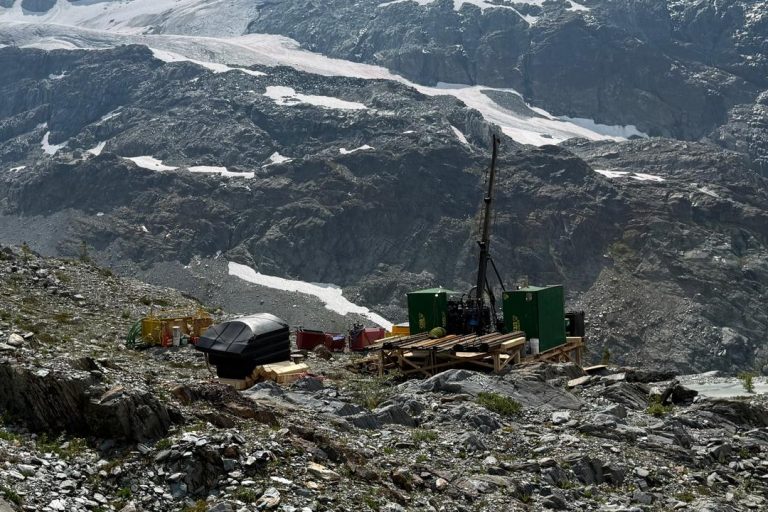
Three drill rigs are currently operating at the site. OceanaGold expects to add two more during the second quarter of 2026 following permit approvals received in December 2025, bringing the total to five rigs. Increasing drilling intensity at this stage signals management confidence that the resource growth potential justifies accelerated investment.
The southern high-grade zone is the development story within the story
The most strategically important element of this release is the emergence of the southern high-grade zone. Seven drill holes in this area, including the newly reported results, are averaging above 160 gram-meters, a technical measure that combines grade and width to express the economic intensity of the mineralization. The zone currently spans 150 meters in strike and remains open in multiple directions.
What makes this particularly significant is the location. CEO Gerard Bond specifically noted that the newly defined southern high-grade zone is located closer to the planned underground access point than previously known mineralization. In underground mine development, proximity to access infrastructure directly affects mining costs. High-grade ore that can be reached quickly and efficiently from the planned decline is worth considerably more than equivalent grades located deeper or further from access.
The geometry of the EG Vein is also yielding surprises. New results suggest the upper extent of the vein dips more shallowly than previously interpreted, meaning there may be further up-dip extensions of high-grade mineralization that were not captured in earlier resource models. Both findings point toward a resource that could grow materially as drilling continues through 2026.

New Zealand as a gold mining jurisdiction deserves more attention than it gets
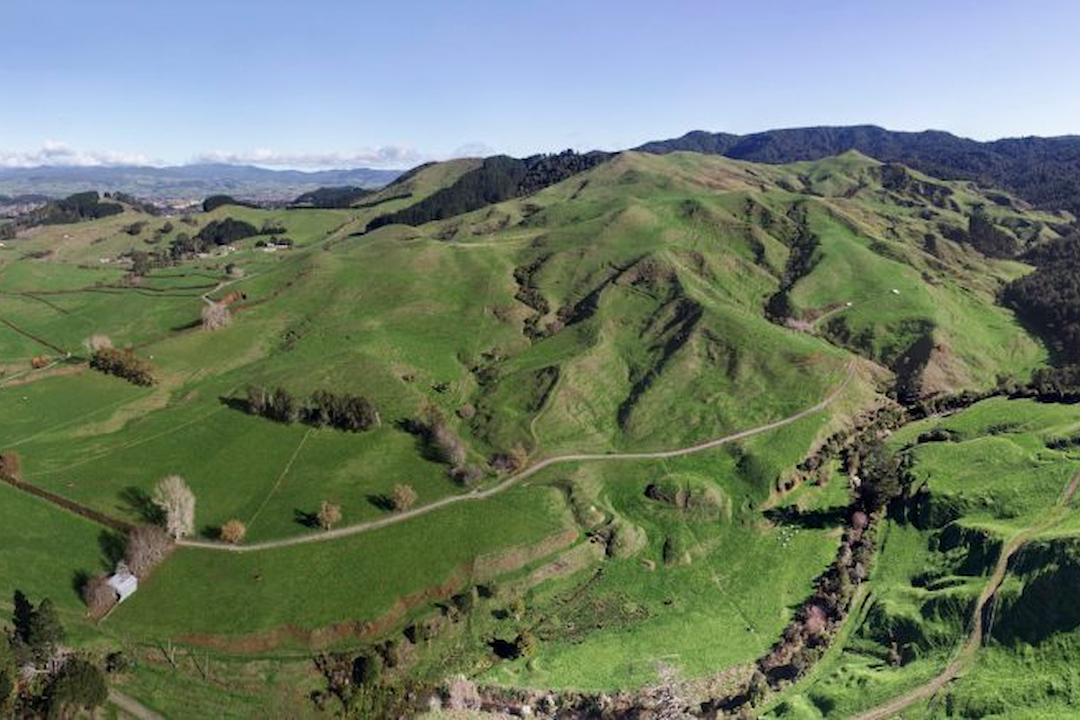
Wharekirauponga sits in the Hauraki region of New Zealand’s North Island, one of the most historically productive gold districts in the Southern Hemisphere. New Zealand consistently ranks among the lowest-risk mining jurisdictions globally according to the Fraser Institute’s Annual Survey of Mining Companies, reflecting stable rule of law, clear permitting processes, and an established mining industry with strong community relationships in the region.
For international gold investors comparing jurisdiction risk, the combination of exceptional drill grades and low political risk in New Zealand is unusual. Most very high-grade epithermal gold deposits are found in jurisdictions that carry significantly higher operational and sovereign risk. WKP offers grades that compete with the best deposits anywhere in the world, in a country where mining companies can rely on predictable permitting and legal frameworks.
According to the World Gold Council, gold is trading near record levels above $3,000 per ounce. At that price, the economics of a high-grade underground deposit like WKP are compelling. The combination of grades averaging well above 15 g/t in the southern zone, proximity to existing infrastructure at Waihi, and record gold prices creates a development scenario that OceanaGold is clearly moving to advance as quickly as the permitting framework allows.
What the 2026 drilling program will determine
The five-rig program planned for later in 2026 represents a significant step up in drilling intensity and will focus on two priorities: improving resource confidence by converting inferred resources to indicated, and continuing to define the extent of the newly identified southern high-grade zone.
The results released today confirm the deposit’s continuity and quality. The question the 2026 program will answer is how large the resource can grow and at what grade. With the southern zone open in multiple directions and the EG Vein geometry potentially extending further up-dip than current models suggest, there is genuine scope for material resource additions beyond what is currently defined.
OceanaGold operates WKP as part of its Waihi district operations, which also produced strong results in the recently filed technical reports covered in our earlier analysis. The district is shaping up as one of the company’s most important long-term growth assets.
Sources
- Fraser Institute — Annual Survey of Mining Companies 2025
- World Gold Council — Gold Prices
- OceanaGold — Wharekirauponga Drill Data
- OceanaGold — Investor Relations
Editorial disclosure
This article is based on a press release issued by OceanaGold Corporation and has been independently rewritten and editorially expanded. It covers drill results from the Wharekirauponga gold deposit in New Zealand. OceanaGold Corporation trades on the TSX under OGC and on OTCQX under OCANF. Drill intercepts represent sampled lengths and true widths as estimated by the company. Mineral resources referenced are not mineral reserves and do not have demonstrated economic viability. Results from individual drill holes are not necessarily representative of the deposit as a whole. Market context is sourced from the Fraser Institute and the World Gold Council. Commentary reflects the author’s own assessment. The information provided on this website is for informational and educational purposes only. Our content is derived strictly from verified online sources to ensure accuracy and objectivity. This analysis does not constitute financial, investment, or professional advice. Readers are encouraged to consult with qualified professionals before making decisions based on this information. For more information, please see our full DISCLAIMER.