Lawmakers on the U.S. House Foreign Affairs Committee moved forward this week with the AI Overwatch Act, first introduced in December. The legislation would give Congress final say over exports of high-performance AI processors to adversary nations. The bill comes shortly after the White House unveiled new export rules allowing certain AMD and Nvidia GPUs to be shipped to China, while imposing a 25% fee on exporters.
How the Bill Differs from SAFE Chips
The AI Overwatch Act is part of the same legislative family as the SAFE Chips Act, which also seeks to limit shipments of advanced AI processors to countries like China, Iran, North Korea, and Russia. The new law codifies current performance limits that let AMD and Nvidia export H20 and MI308 chips to entities in these nations without a license. But higher-performance chips would now require not just Commerce Department approval, but also a Congressional review with veto power.
If passed, Congress could block sales of AMD’s Instinct MI325X and Nvidia’s H200 to Chinese buyers, even if the White House approves. Existing licenses could be terminated, temporary denials imposed until a new national security plan is submitted, and any future approvals would be subject to a 30-day Congressional review.
“Trusted U.S. Person” Framework
The bill also introduces a trusted U.S. person provision, allowing advanced AI hardware to be deployed abroad under strict conditions. The devices must remain U.S.-owned, not be placed in a restricted country, and comply with security and audit standards. This allows allies to access AI capabilities as a service, while keeping ultimate control with the United States.
Currently, AMD, Nvidia, and other companies can sell high-end AI accelerators to most countries without restriction. The new law would ensure that top-tier AI compute remains under U.S. oversight, even when used abroad by partners.
Lawmakers Emphasize National Security
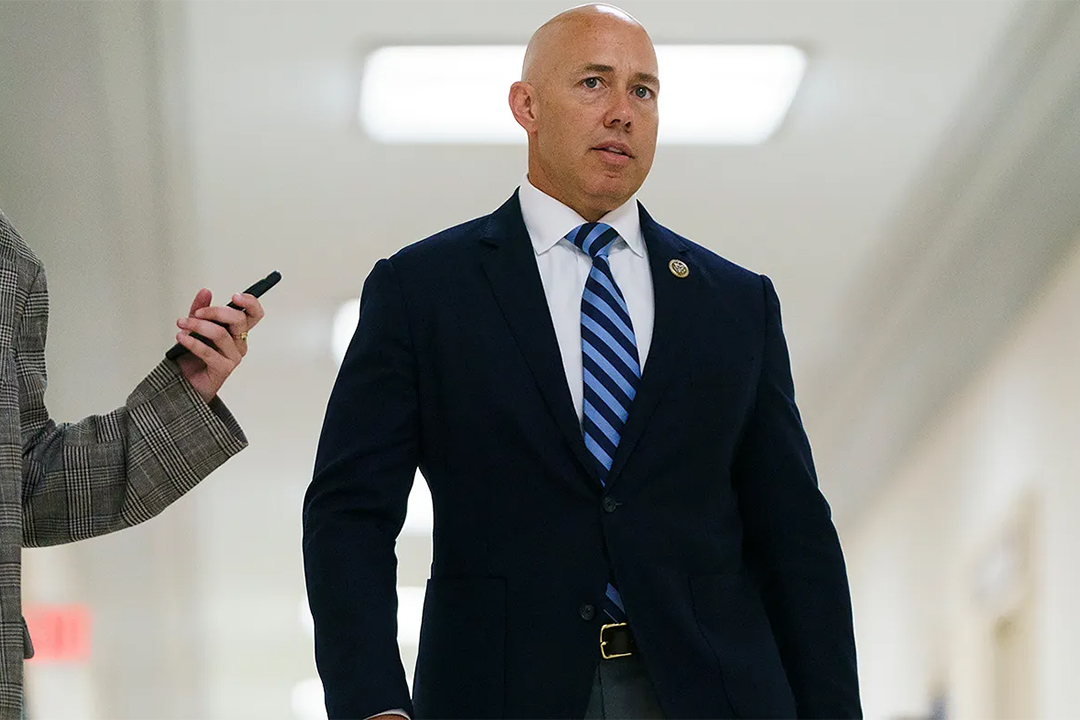
Rep. Brian Mast, chair of the House Foreign Affairs Committee, said the bill would keep America’s advanced AI chips away from Chinese military-linked companies like Alibaba and Tencent. He added that these firms could be used by the Chinese Communist Party to gather intelligence against the United States.