Executive Summary
The global critical minerals landscape is undergoing a structural shift. Recent export restrictions on tungsten have highlighted the vulnerabilities embedded in concentrated supply chains and accelerated efforts by Western governments to secure alternative sources. What began as a regional trade action has evolved into a coordinated international response involving more than 50 nations and billions of dollars in strategic financing.
For investors, this marks a meaningful inflection point. Capital is increasingly flowing toward jurisdictions and companies aligned with domestic production, resource security, and long-term supply resilience. Rather than a short-term policy reaction, the current environment reflects a broader reprioritization of resource independence across defense, energy, and advanced manufacturing.
Policy Shifts Reshaping the Critical Minerals Market
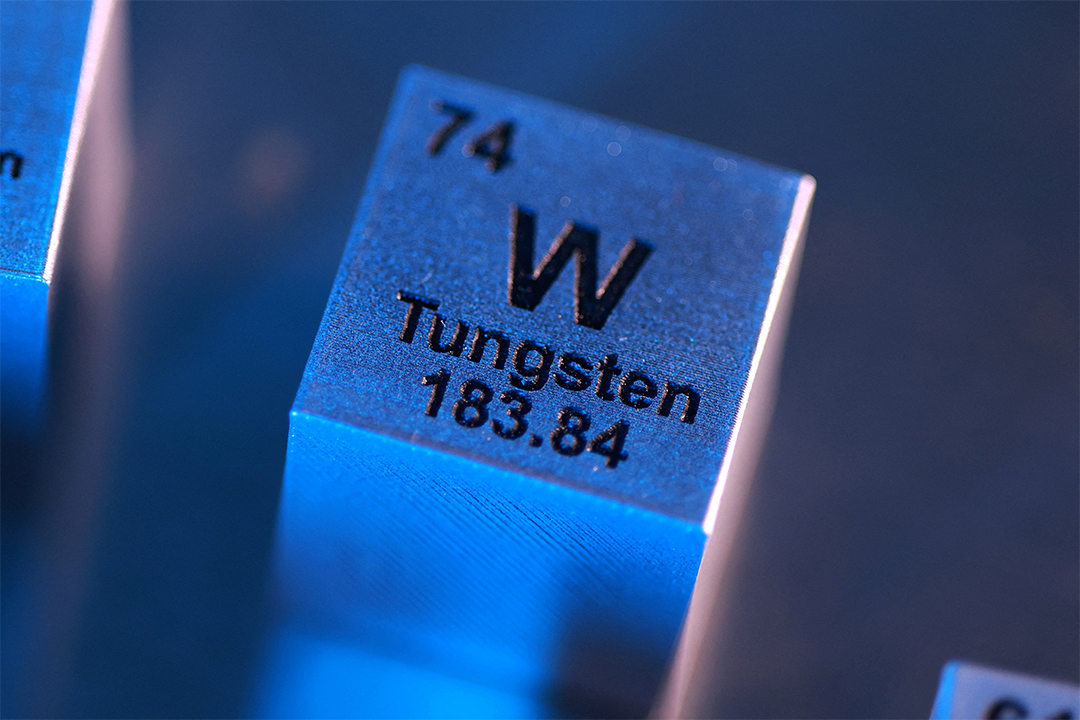
China’s tightening of tungsten exports has reinforced the strategic importance of critical minerals across global supply chains. Tungsten plays a central role in defense systems, semiconductor manufacturing, industrial tooling, and energy infrastructure. With China controlling a dominant share of global supply, recent restrictions have prompted coordinated countermeasures from Western economies.
In response, the United States and allied nations have announced new frameworks designed to reduce reliance on single-source suppliers. These initiatives include multilateral trade coordination, preferential financing, and price stabilization mechanisms aimed at accelerating domestic and allied production. Business sentiment has followed policy direction, with supply security now frequently prioritized alongside cost efficiency.
From an investment standpoint, these developments support a longer-term re-rating of mining and materials companies positioned within friendly jurisdictions.
Strategic Importance of Tungsten and Associated Metals
Tungsten’s physical properties make it difficult to substitute in many high-performance applications. Its role in military hardware, electronics manufacturing, and industrial machining places it firmly within the category of essential strategic materials.
Recent exploration and development activity in North America reflects this shift in priorities. Projects demonstrating multi-metal exposure, including tungsten alongside precious and base metals, are increasingly viewed through a strategic lens rather than purely cyclical commodity pricing.
The emergence of additional critical metals such as indium, copper, and nickel within the same project footprints further strengthens the case for diversified resource development.
Public Companies Positioned for the Supply Realignment
GoldHaven Resources Corp. (CSE: GOH, OTCQB: GHVNF)
GoldHaven Resources has reported encouraging results from its Magno Property in British Columbia, where surface exploration has identified previously undocumented tungsten mineralization alongside silver, lead, zinc, copper, and indium. The scale and metal zoning observed across multiple zones suggest a broader mineral system with district-scale potential.
The timing of these results aligns closely with heightened demand for Western-sourced tungsten and other strategic metals. With multiple projects advancing across established mining jurisdictions and compliant technical reporting in place, GoldHaven represents early-stage exposure to a shifting critical minerals landscape.
Sigma Lithium Corporation (NASDAQ: SGML, TSXV: SGML)
Sigma Lithium continues to advance production at its Brazilian operations, maintaining a focus on high-purity lithium supply for electric vehicle markets. Recent sales volumes and operational updates point to steady progress despite broader volatility in lithium pricing.
Lithium remains a cornerstone of energy transition strategies, and companies capable of delivering consistent quality at scale are likely to retain strategic relevance.
Berkshire Hathaway Inc. (NYSE: BRK.A, NYSE: BRK.B)
Berkshire Hathaway’s acquisition of a major North American chemical producer highlights a broader trend of capital allocation toward essential industrial inputs. While not a direct mining exposure, the move reinforces Berkshire’s long-standing emphasis on infrastructure, materials, and real-economy assets that underpin manufacturing and public services.
Rio Tinto Group (NYSE: RIO)
Rio Tinto’s recent investment activity in South American aluminum assets reflects continued focus on vertically integrated, low-carbon materials supply chains. Aluminum, while distinct from tungsten or lithium, remains closely tied to energy transition, transportation, and industrial electrification themes.
Talon Metals Corp. (TSX: TLO, OTCID: TLOFD)
Talon Metals continues to advance high-grade nickel and copper mineralization in the United States, positioning itself within the domestic battery materials ecosystem. With active drilling and expanding resource continuity, Talon offers leverage to North American critical metals development.
Market Risks and Considerations
Despite favorable policy tailwinds, risks remain. Commodity markets are inherently cyclical, and project development timelines can extend beyond political cycles. Regulatory approvals, capital costs, and permitting challenges may impact execution.
Additionally, increased government involvement introduces both support mechanisms and compliance requirements that may affect project economics. Investors should remain mindful of valuation discipline, particularly as capital flows intensify around strategic resource narratives.
Investment Outlook and Strategic Takeaways
The critical minerals sector is transitioning from a cost-driven global supply model to one increasingly shaped by security, resilience, and geopolitical alignment. This shift favors companies operating in stable jurisdictions with access to capital, infrastructure, and supportive policy frameworks.
Near-term opportunities appear strongest in advanced exploration and early development assets tied to tungsten, lithium, nickel, and copper. Over the medium term, sustained investment in domestic processing and refining capacity may further reshape valuation dynamics across the sector.
For long-term investors, critical minerals are becoming less about speculative upside and more about strategic relevance within global industrial systems.
References
Fastmarkets – China Tightens Tungsten Export Controls
U.S. Department of State – Critical Minerals Ministerial 2026
World Economic Forum – Global Supply Chains Enter Structural Volatility
Mining.com – U.S. to Establish Price Floors for Critical Minerals
Forward-looking information is subject to risks and uncertainties. Please read our full DISCLAIMER.