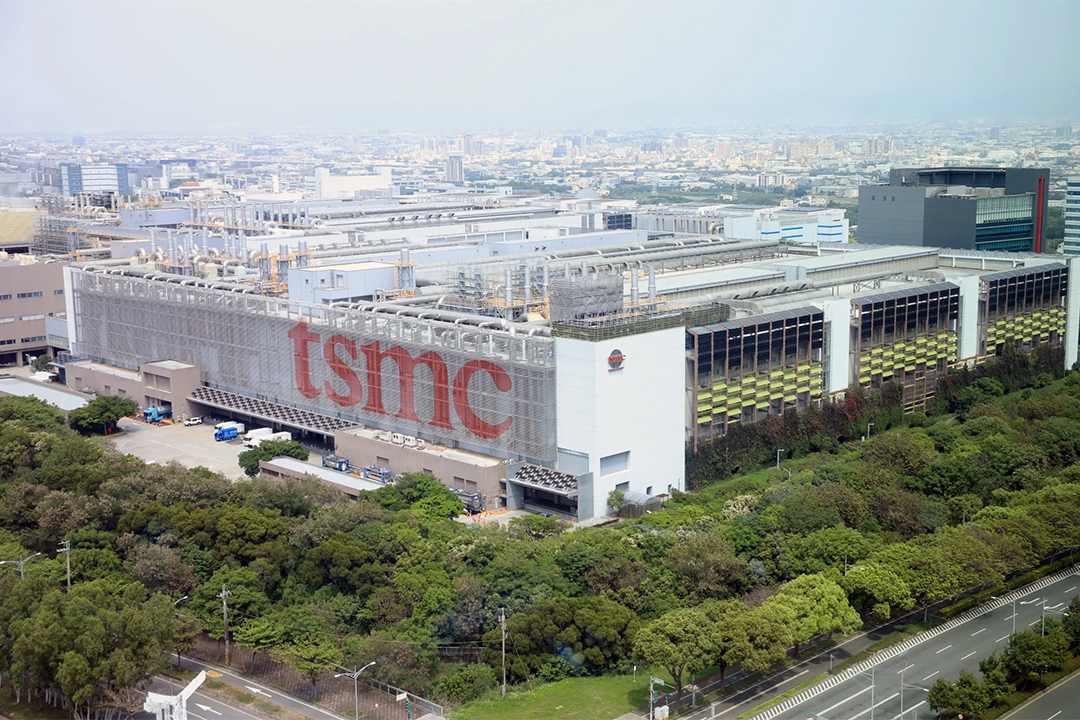
TSMC’s ( TPE: 2330) dominance in advanced chip manufacturing and packaging has made it a central player in global supply chains, but also a growing pressure point. Rising costs, limited advanced packaging capacity, and renewed US manufacturing requirements are pushing major chip designers to rethink their reliance on a single foundry.
As a result, large customers are accelerating moves toward multi-sourcing strategies, not to replace TSMC, but to reduce political, capacity, and supply chain risk.
Nvidia Looks to Intel for Part of Its Next GPU Platform
Recent supply chain reports indicate that Nvidia, along with Apple, plans to work with Intel on limited production tied to Nvidia’s Feynman architecture, expected around 2028. The goal is to comply with US manufacturing directives while keeping core production with TSMC.
Nvidia’s GPU compute die is expected to remain with TSMC, while select I/O components may shift to Intel’s 18A or future 14A process, depending on yield improvements. Advanced packaging would be split, with Intel handling roughly 25 percent using its EMIB technology and TSMC managing the remainder.
This follows Nvidia’s reported US$5 billion investment in Intel announced in late 2025, signaling a strategic but cautious partnership rather than a full transition.
Why Intel’s Role Starts Small
Industry sources say US chipmakers have explored Intel partnerships for years, but technical and yield challenges have limited adoption. Most early cooperation is expected to focus on advanced packaging, where Intel already has competitive capabilities.
Intel management has confirmed that two customers are reviewing 14A specifications, though large-scale commitments will likely depend on proven yields and production economics closer to 2028.
For Nvidia, using Intel selectively reduces exposure while avoiding the risks of moving core GPU production away from a trusted supplier.
Apple Reopens the Intel Relationship Carefully
Apple is reportedly discussing using Intel for a lower-end M-series chip aimed at entry-level MacBooks. This would mark a partial shift after Apple moved entirely to in-house silicon in 2020.
The renewed talks appear driven less by technology preference and more by tariffs, policy pressure, cost management, and diversification. Apple is expected to limit Intel’s role to non-core products to preserve performance and margin stability.
What This Means for TSMC
While some orders may shift at the margins, industry analysts view this trend as more helpful than harmful for TSMC.
Key benefits include reduced antitrust scrutiny, relief from political pressure, and the ability to offload lower-margin or non-core production. This strengthens TSMC’s negotiating position and protects capacity for its most advanced and profitable work.
Customers experimenting with alternatives may also reinforce how difficult it is to match TSMC’s execution quality, further solidifying its long-term leadership.
Investor Takeaway
This is not a mass exodus from TSMC. Instead, it reflects risk management and political compliance by US tech giants. Intel gains strategic relevance, but TSMC remains the backbone of advanced chip production.
For investors, the shift supports a future where dual sourcing becomes standard, margins stay strongest at the cutting edge, and TSMC continues to anchor the high-value end of the semiconductor market.