Texas is building the world’s biggest private power grid — and it’s all because of AI
Fermi America just made a huge announcement. The Amarillo, Texas-based energy company plans to file a second major Clean Air Permit in Texas, adding another 5 gigawatts of power to its already-approved 6 gigawatt permit. That brings the total planned size of Project Matador to 17 gigawatts. To put that in simple terms, one gigawatt powers around 750,000 average American homes. Project Matador wants to build 17 of them, all on one private campus.
This is not just a Texas story. It is a story about where America’s energy future is heading.
What is Project Matador, and why does it matter to you?
Most of us get electricity from the public grid. It is the massive network of power plants and cables that keeps our lights on. Project Matador is something entirely different. It is a private power campus, meaning it generates its own electricity and does not rely on the public grid at all.
So who needs that much private power? AI companies, data centres, and advanced manufacturers do. These businesses run around the clock and cannot afford a single outage. Because of that, they need power that is completely reliable, something the public grid struggles to guarantee.
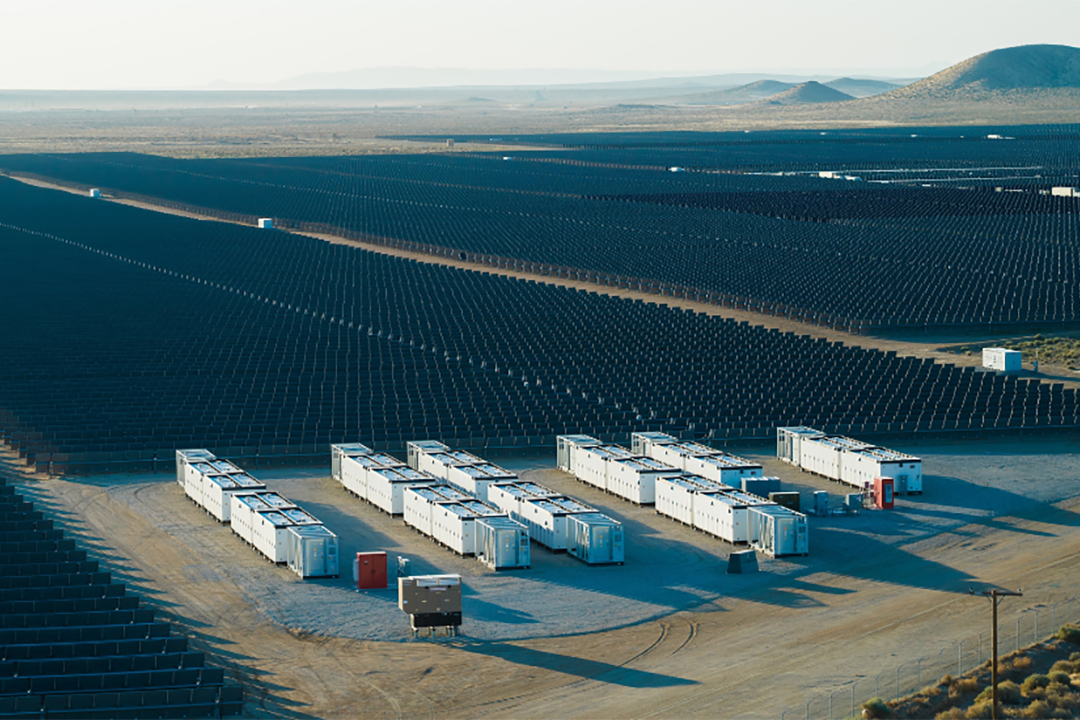
Fermi America’s solution is simple: build your own grid, and make it the biggest in the world. The 17 gigawatt plan combines 11 gigawatts of clean natural gas, 4.4 gigawatts of nuclear energy, plus solar panels and battery storage on top. It is being built in partnership with the Texas Tech University System, which adds research and academic expertise to the project.
The company was co-founded by former U.S. Energy Secretary Rick Perry and energy finance expert Toby Neugebauer. Both bring exactly the kind of experience a project this complex requires.
Why is America’s power grid struggling right now?
Here is the honest truth about the public grid. It is old. Much of it was built decades ago, long before anyone imagined the internet, electric vehicles, or artificial intelligence. However, all of those things are now pulling power from that same aging system at the same time.
According to the U.S. Department of Energy, electricity demand in the United States is set to grow significantly over the next decade. The biggest drivers are AI data centres, electric vehicles, and factories returning to American soil. As a result, the gap between what the grid can supply and what the country needs is widening fast.
Texas has already felt this firsthand. Winter storms in recent years knocked out power for millions of residents for days. Because of those failures, private power has gone from an interesting idea to an urgent priority for large technology companies.
The U.S. Energy Information Administration confirms that private and behind-the-meter power generation is growing steadily across the country. Furthermore, that trend is accelerating as more companies decide they simply cannot take the risk of relying on the public grid alone.
How Project Matador could reshape the Texas Panhandle forever
Most people picture wide open plains when they think of the Texas Panhandle. However, that image is about to change significantly. The region has available land, strong wind and solar resources, and a state government that actively supports large-scale energy development. For those reasons, it makes perfect sense as the home of the world’s largest private power campus.
The local economic impact is also worth paying attention to. Fermi America has committed to creating high-paying construction jobs during the build phase and permanent careers once the campus is fully operational. For a region that has not historically attracted major technology investment, this is a genuinely significant opportunity.
The Rocky Mountain Institute has found that large private energy projects tend to anchor broader economic growth in the regions where they are built. Supply chain businesses, skilled workers, and supporting services all follow. As a result, the Texas Panhandle could look very different in ten years because of what Fermi America is building right now.
Why this project feels different from other big energy promises
Big energy announcements happen all the time. Most of them stay on paper. So it is fair to ask: is Project Matador the real thing?
The evidence suggests it is. Two weeks before this announcement, Fermi America received approval for its first 6 gigawatt Clean Air Permit from the Texas Commission on Environmental Quality. That is a real regulatory green light, not just a planning document. In addition, the company already has over 2 gigawatts of generation assets secured, equipment financing in place, and a clear path through the permitting process for the remaining capacity.
For context, the Rocky Mountain Institute notes that private energy infrastructure projects at this scale are increasingly attracting serious institutional capital because grid reliability has become a genuine competitive advantage for technology companies. Project Matador fits that profile precisely.
The nuclear component will take time. Nuclear projects always do. However, the natural gas and renewable portions of the plan are moving forward with real assets and real permits behind them. For that reason, Project Matador deserves to be taken seriously as one of the most consequential energy infrastructure projects in America right now.
Sources
- U.S. Department of Energy — Growing Electricity Demand Report
- U.S. Energy Information Administration — Electric Power Monthly
- Rocky Mountain Institute — Energy Supply and Infrastructure
- Fermi America — Official Press Release via PRNewswire
Editorial disclosure
This article is based on a press release issued by Fermi America. It covers a large-scale private energy infrastructure project in the United States energy and AI power sector. Market data is sourced from the U.S. Department of Energy, the U.S. Energy Information Administration, and the Rocky Mountain Institute. Commentary reflects the author’s own assessment. The information provided on this website is for informational and educational purposes only. Our content is derived strictly from verified online sources to ensure accuracy and objectivity. This analysis does not constitute financial, investment, or professional advice. Readers are encouraged to consult with qualified professionals before making decisions based on this information. For more information, please see our full DISCLAIMER.