
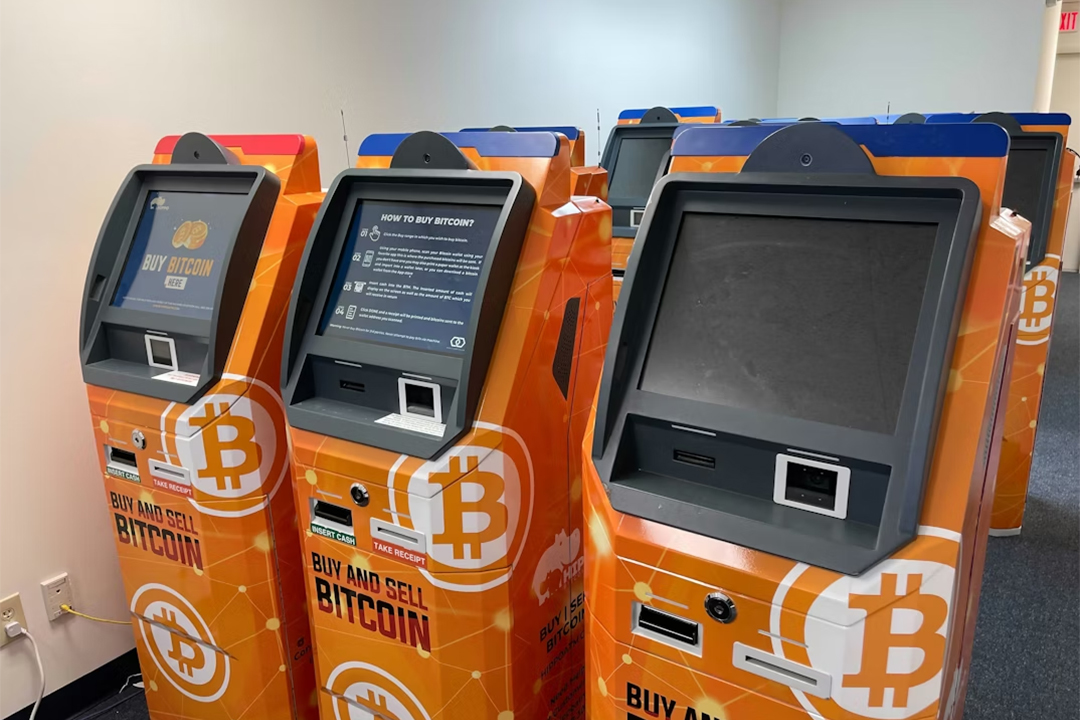
A crypto ATM looks like a regular cash machine. The scam it enables is not complicated. A caller impersonating a government official, a tech support agent, or a law enforcement officer tells the target their account has been compromised, their Social Security number is being used for fraud, or they owe back taxes. The only way to resolve it, they’re told, is to deposit cash at the nearest Bitcoin ATM.
Once the cash goes in and the crypto is transferred to the scammer’s wallet, recovery is functionally impossible. The transaction is irreversible, fast, and difficult to trace. That combination is why scammers love these machines.
The FBI received more than 13,460 complaints involving crypto ATM fraud in 2025, with reported losses of $389 million. Among cases where the victim’s age was known, adults 60 and older accounted for 86% of losses. The volume is doubling year-over-year.
Mississippi responded this month.
What the Law Does
Governor Tate Reeves signed House Bill 1625 into law, establishing the first statewide regulatory framework for cryptocurrency kiosks in Mississippi. The law takes effect July 1, 2026. Its provisions are specific: licensing and oversight requirements for kiosk operators, mandatory consumer disclosures and fraud warnings at the point of transaction, receipts and improved traceability, and daily transaction limits.
None of these provisions are revolutionary. They are the basic consumer protections that apply to almost every other financial transaction and have been absent from crypto ATM operations since the machines proliferated. There are now more than 30,000 cryptocurrency ATMs operating across the United States, most of them lightly regulated if at all. Mississippi’s law changes that within its borders.
AARP Mississippi was instrumental in advancing the legislation. The organization has been pushing for crypto kiosk protections at the state level nationwide, citing the disproportionate impact on older adults.
The National Wave
Mississippi is one of more than a dozen states that have moved on this issue in 2025 and 2026, each choosing its own approach.
Indiana became the first state to ban crypto ATMs outright, with Governor Mike Braun signing the prohibition into law on March 9, 2026. Tennessee followed on April 23, with Governor Bill Lee signing HB 2505 after the House passed it 94-0 and the Senate 32-0. The FBI linked approximately $142 million in losses from Tennessee crypto scams in 2025. Every kiosk in the state must be removed by July 1. Vermont extended its moratorium on new kiosks. Nebraska passed statewide regulations in 2025. Cities in Washington and Minnesota banned the machines outright.
Mississippi chose a different path from Indiana and Tennessee: regulate rather than ban. The regulatory approach imposes compliance costs on operators while keeping legitimate access available. The ban approach eliminates the machines entirely. Neither is obviously wrong. The question is which produces better consumer outcomes, and the data to answer that will take time to accumulate.
Federal Action Is Moving Slowly
The state-level wave reflects federal inaction. The Crypto ATM Fraud Prevention Act, introduced in the Senate in 2025, would impose disclosure requirements, transaction limits, and new tools for law enforcement at the federal level. It remains in committee. Senator Durbin introduced an amendment to the GENIUS Act targeting crypto ATM fraud, noting that these scams led to nearly $247 million in losses in one year, a 31% increase over the prior year.
In the absence of a federal floor, states are setting their own. The result is a patchwork: full bans in Indiana and Tennessee, moratoria in Vermont, licensing and disclosure requirements in Mississippi and Nebraska, pending legislation in Ohio and elsewhere, and no restrictions at all in most states.
The practical effect for scammers is geographic mobility. A kiosk network shut down in Tennessee simply relocates to a neighboring state. Mississippi’s law addresses kiosks within its borders. The scam calls come from anywhere.
That limitation does not make HB 1625 meaningless. Mandatory fraud warnings at the point of transaction, transaction limits that cap the maximum loss, and licensing requirements that create accountability for operators are all practical interventions that reduce harm even if they do not eliminate it. For older Mississippians who encounter a crypto ATM as the endpoint of a scam call, those provisions create friction the fraudster cannot control.
If the experience of states that passed similar measures translates to Mississippi, that friction will cost scammers money.
Sources
- AARP: Crypto ATM Fraud Protections
- Cryptopolitan: States Crack Down on Crypto ATMs
- Bitcoin News: Tennessee Crypto ATM Ban
- Duane Morris: State-by-State Crypto Kiosk Regulation
- Senator Durbin: Crypto ATM Fraud Prevention Act
- Congress.gov: Crypto ATM Fraud Prevention Act S.710
Editorial Disclosure
This article is based on a press release issued by AARP Mississippi and expanded with independent regulatory and law enforcement data. AARP is a nonprofit organization. No securities or investment products are discussed in this article. Cryptocurrency transactions are irreversible and carry significant fraud, volatility, and regulatory risk. Readers experiencing or suspecting fraud involving cryptocurrency kiosks should contact local law enforcement and file a report with the FBI’s Internet Crime Complaint Center at ic3.gov. The information provided on this website is for informational and educational purposes only. Our content is derived strictly from verified online sources to ensure accuracy and objectivity. This analysis does not constitute financial, investment, or professional advice. Readers are encouraged to consult with qualified professionals before making decisions based on this information. For more information, please see our full DISCLAIMER.