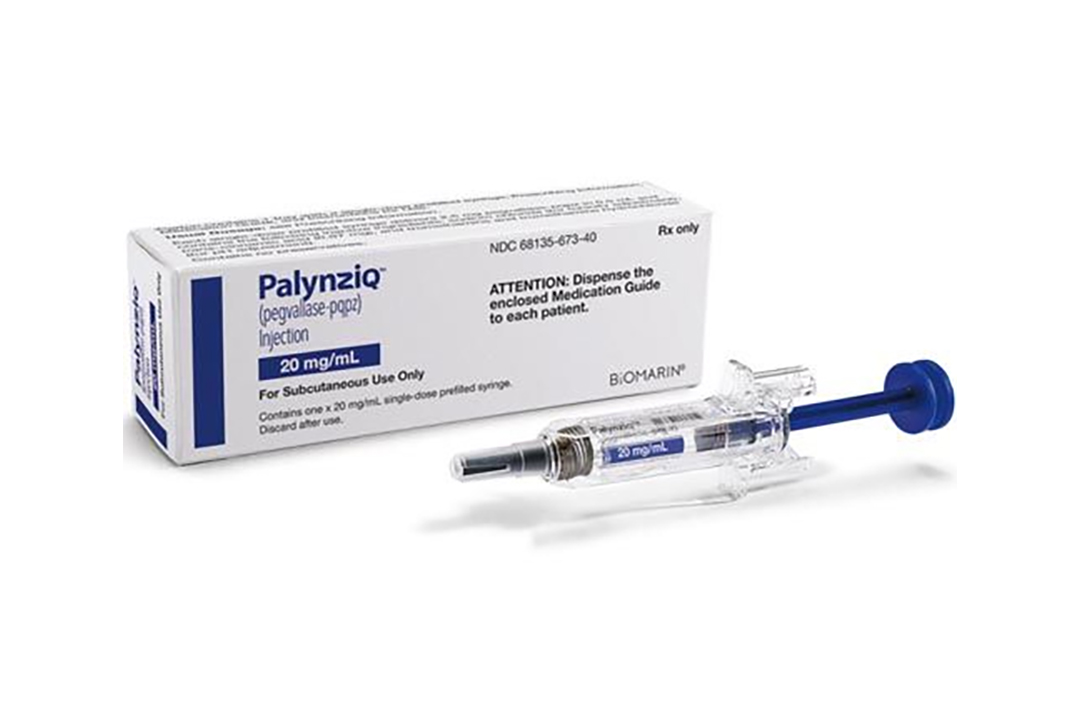
In a significant expansion of treatment options for the metabolic disease community, the U.S. Food and Drug Administration (FDA) has approved PALYNZIQ® (pegvaliase-pqpz) for pediatric patients 12 years of age and older with Phenylketonuria (PKU). This supplemental approval, announced on February 27, 2026, marks PALYNZIQ as the only enzyme substitution therapy available for this younger demographic.
The Challenge of Adolescent PKU
I’m seeing a clear emphasis from medical experts on why this age group is so critical. PKU is a genetic condition where the body cannot break down phenylalanine (Phe), an amino acid found in protein. Without treatment, Phe builds up and becomes toxic to the brain.
- Independence: As teens gain more autonomy, staying on a “medical diet” (which is ultra-restrictive) becomes incredibly difficult.
- Cognitive Demands: Academic pressures increase in high school, and high Phe levels can lead to “brain fog,” anxiety, and slower processing speeds.
- The Diet Burden: PALYNZIQ is genotype-independent, meaning it can potentially allow teens to move toward an unrestricted diet while keeping Phe levels in a safe range.
Data from the PEGASUS Study
The approval was supported by the Phase 3 PEGASUS study, which compared PALYNZIQ to a “diet only” approach in participants aged 12 to 17. The results showed a profound difference in blood Phe control.
Mean Change in Blood Phe (μmol/L) at Week 72
| Group | Baseline Phe | Week 72 Phe | Total Mean Change |
| PALYNZIQ Arm | 1025 | 567 | -473 |
| Diet Only Arm | 1029 | 973 | -19 |
I noticed some participants in the study achieved hypophenylalaninemia (Phe levels below 30 µmol/L), which actually allowed them to increase their natural protein intake by over 300% and, in some cases, stop using specialized medical foods entirely.
Safety and Administration
While the efficacy is high, PALYNZIQ comes with a Boxed Warning for anaphylaxis. Because of this risk, it is only available through a restricted program called the PALYNZIQ REMS.
- Common Reactions: Injection site reactions, joint pain (arthralgia), headache, and fever.
- Monitoring: Most reactions occur during the early “induction/titration” phase.
- Management: Patients must carry auto-injectable epinephrine at all times and have an observer present during injections.
“PALYNZIQ is the only medication which may bring Phe into the normal range while allowing an unrestricted diet. We’ve found that treatment adherence is even more successful in teens… while they are living at home with family support.” — Dr. Stephanie Sacharow, Boston Children’s Hospital.
Editorial Disclosure: This report is for informational purposes only. It is based on a press release from BioMarin Pharmaceutical Inc. dated February 27, 2026. This content does not constitute medical advice. PALYNZIQ is a prescription medication with a Boxed Warning for serious allergic reactions. Always consult a qualified healthcare provider regarding PKU management. Please read our full Disclaimer.