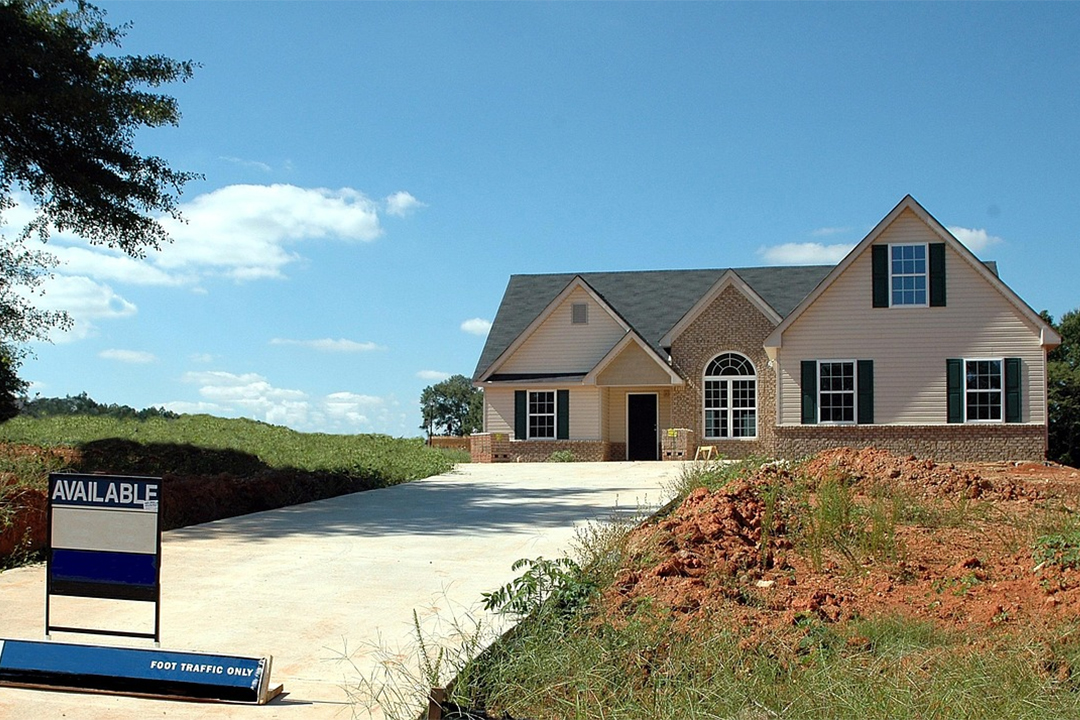
You did what your peers couldn’t do.
Stopped the cycle of renting. The house is yours like your parents did before you. You were supposed to get out.
The keys felt different than you expected. Heavier maybe. Or lighter. Either way they were yours. You drove to the house that night just to look at it from the street. Just to confirm it was real. Just to feel the satisfaction of having done the thing everyone said to do.
Then the letter arrived.
It wasn’t from your lender. Not exactly. It came from your mortgage servicer on a Tuesday with language designed to be unread. Escrow analysis. Annual review. Projected shortage.
What it meant in plain English was this: Your payment went up.
Non-mortgage costs jumped 30% nationally in 2025. Property taxes. Homeowners insurance. The parts of your payment that were never supposed to be the variable parts. The average escrow shortfall heading into 2026 is $2,157. That’s $179.75 more every month. Spread across twelve months whether you planned for it or not.
Homeowners insurance has risen 46% since 2021. Not because your house changed. Because the weather did. Because insurers are repricing climate risk and your zip code is part of the calculation now whether you live near a coast or not. In Florida and Colorado escrow payments increased 55% and 57% respectively in 2025.
Property taxes now account for 21% of the average monthly mortgage payment across the largest US metros. A number that keeps growing because home values went up and assessments followed.
You locked in the rate. Nobody locked in the escrow.

Now look at what you actually bought.
The two story foyer. The primary suite with the soaking tub you have used twice. The open plan kitchen with the island big enough to land a small aircraft. The fourth bedroom nobody sleeps in. The three car garage for two cars.
McMansions are built with lower quality materials and poor workmanship. Worse insulation. Windows that let the outside in. HVAC systems fighting layouts they were never designed to heat efficiently. The inside is designed to cram the most features for the lowest cost. The outside signals prosperity. The inside signals the builder moved on before you noticed.
Your parents’ house was built to last a lifetime. Yours was built to photograph well.
Someone was supposed to fix this.
In 2015 a company called Katerra showed up with a pitch that Silicon Valley had perfected. Construction was broken. Inefficient. Expensive. Slow. Technology could fix it. Prefabrication. Software. Vertical integration. Build faster, cheaper, better.
SoftBank invested more than $2 billion. Soros Fund Management invested. The Canada Pension Plan invested. At its peak Katerra was valued at nearly $6 billion. The company had 8,000 employees across the globe. It was going to be the Amazon of construction.
In June 2021 Katerra filed for bankruptcy. The employees were let go without severance. Without unused time off paid out. The factories were sold for tens of millions on assets that had cost billions.
This month a consulting firm announced it was still winding down the global estate. Five years later. 34 domestic entities. Assets in Saudi Arabia, India, and China. More than 100 terabytes of data still being sorted through.
The housing problem Katerra promised to solve is worse now than when they made the promise.
The numbers behind that are not complicated.
The average home price in the United States has risen more than 40% since 2020. Mortgage rates that were 3% in 2021 are sitting between 6% and 7% in 2026. Insurance is up 46%. Property taxes are up 27%. And the homes being built to meet the demand are McMansions in subdivisions where every house looks identical and the walls are thin enough to hear your neighbors argue.
You got the house. You got the escrow letter. You got the soaking tub.
You did not get what the house was supposed to mean.

The promise of homeownership was never really about square footage. It was about stability. About having something that was yours and stayed yours and didn’t change the terms on you mid-way through.
That promise has a leak in it now. Not one dramatic failure. Just a slow drip of costs that weren’t in the original calculation. Insurance up. Taxes up. Escrow adjustment arriving on a Tuesday in an envelope designed to look routine.
Your parents bought a house and the payment was the payment.
You bought a house and discovered the payment was just a starting point.
The keys still felt real that first night.
The letter felt real too.
Colt Avery is a contributing writer at Aktiego. The views expressed in this column are the author’s own and do not represent the editorial position of Aktiego.com.
Sources
- Mortgage Escrow Shortages Rise: Why Your Payment Is Going Up | CNBC
- Escrow Payments Rising Nationwide | Fox Business
- Rising Taxes and Insurance Undermine Affordability | Scotsman Guide
- What Defines a McMansion | Mitchell Wall Architecture
- McMansions 101: Why McMansions Are Bad Architecture | McMansion Hell
- What Does Katerra’s Demise Mean for Construction | Construction Dive
- Katerra Employees Weigh in on Why It Failed | SBCA
- Katerra | Wikipedia
- J.S. Held Leads Katerra Wind-Down | J.S. Held
Editorial Disclosure
This article was prompted by an update on the ongoing wind-down of Katerra Inc. and expanded into a broader argument about the gap between the promise of homeownership and the financial reality facing homeowners in 2026. No financial relationships exist with any company mentioned. Market data is drawn from CNBC, Fox Business, Scotsman Guide, Cotality, Insurify, and Construction Dive. Commentary reflects the author’s own assessment. The information provided on this website is for informational and educational purposes only. Our content is derived strictly from verified online sources to ensure accuracy and objectivity. This analysis does not constitute financial, investment, or professional advice. Readers are encouraged to consult with qualified professionals before making decisions based on this information. For more information, please see our full DISCLAIMER.