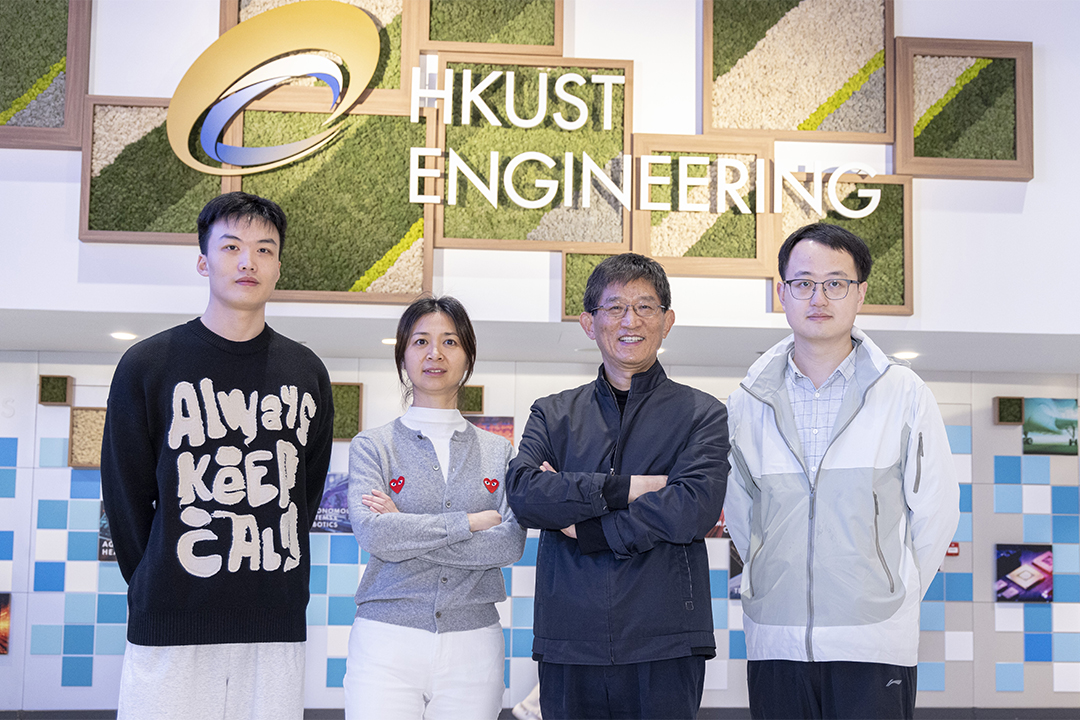
HKUST Builds First Sub-Zero Elastocaloric Freezer
Researchers at Hong Kong University of Science and Technology say they have made the world’s first sub-zero elastocaloric freezer. It can reach -12℃. That’s pretty cool, literally, and could shake up the freezing industry.
They published the work in Nature, calling it “Sub-zero Celsius Elastocaloric Cooling via Low-transition-temperature Alloys.”
Why It Matters
Freezing takes a lot of electricity. Most freezers use vapor-compression tech and high-GWP refrigerants. That’s bad for the planet.
Elastocaloric cooling works differently. It uses shape memory alloys that release heat when they change phases. No greenhouse gases. High energy efficiency. It could help decarbonize freezing and cut emissions.
What They Did
Before this, elastocaloric devices were mostly for room temperature, like air conditioning. Freezing is trickier. Prof. Sun Qingping’s team combined materials, fluids, and smart system design to make it work at sub-zero.
Some key points:
- Super-elastic alloy: They used a nickel-titanium alloy with high nickel. It stays elastic even at -20℃ and releases a lot of latent heat.
- Freezing-resistant fluid: A 30% calcium chloride water solution stays liquid at sub-zero and helps transfer heat.
- Cascaded tubes: Eight units, three thin NiTi tubes each. High surface area, strong, and won’t buckle.
Real-World Test
The small device ran at 1Hz. It cooled from 24℃ to -12℃ — a 36℃ drop. First time anyone has done sub-zero with elastocaloric cooling.
They tested it outdoors too. The chamber reached -4℃ in 60 minutes. 20ml of water turned to ice in 2 hours. Specific cooling power hit 1.43W per gram. Coefficient of performance could reach 3.4 if everything is ideal.
Why It Could Matter for the Planet
Hydrofluorocarbon emissions are projected to hit 1.2 gigatons of CO2 by 2025. About 27% comes from freezing. That’s 330 million tons a year.
If this elastocaloric tech catches on, it could replace those high-GWP freezers. Big potential impact on emissions.
What’s Next
Prof. Sun says they are working with industry to scale it up. Future work focuses on efficiency, power, and cost. They want bigger cooling power without using more energy.
Prof. Lu Mengqian adds that this is a big step for climate action. Sub-zero elastocaloric freezers could offer a real alternative to traditional systems and help push the industry toward carbon neutrality.