Executive Summary
The global medical aesthetics market is growing quickly. Rising demand for minimally invasive and non-surgical treatments, combined with new technology in injectables and energy-based devices, is driving expansion. Consumers are more comfortable than ever with aesthetic procedures, influenced by social media, lifestyle trends, and an aging population.
MarketsandMarkets projects the market to grow from $19.5 billion in 2025 to $40.7 billion by 2031, a compound annual growth rate of 13 percent. Facial aesthetics account for most of the market today, while at-home and self-use devices are the fastest-growing segment. Surgical procedures remain significant, and demand continues across dermatology clinics, medical spas, and hospitals.
Major players like AbbVie (NYSE: ABBV), Galderma (private), Johnson & Johnson (NYSE: JNJ), Bausch Health Companies (NYSE: BHC), and Cutera (NASDAQ: CUTR) dominate with strong product portfolios, including Botox, dermal fillers, lasers, and regenerative solutions.
Market Overview
Medical aesthetics covers a wide range of treatments, including:
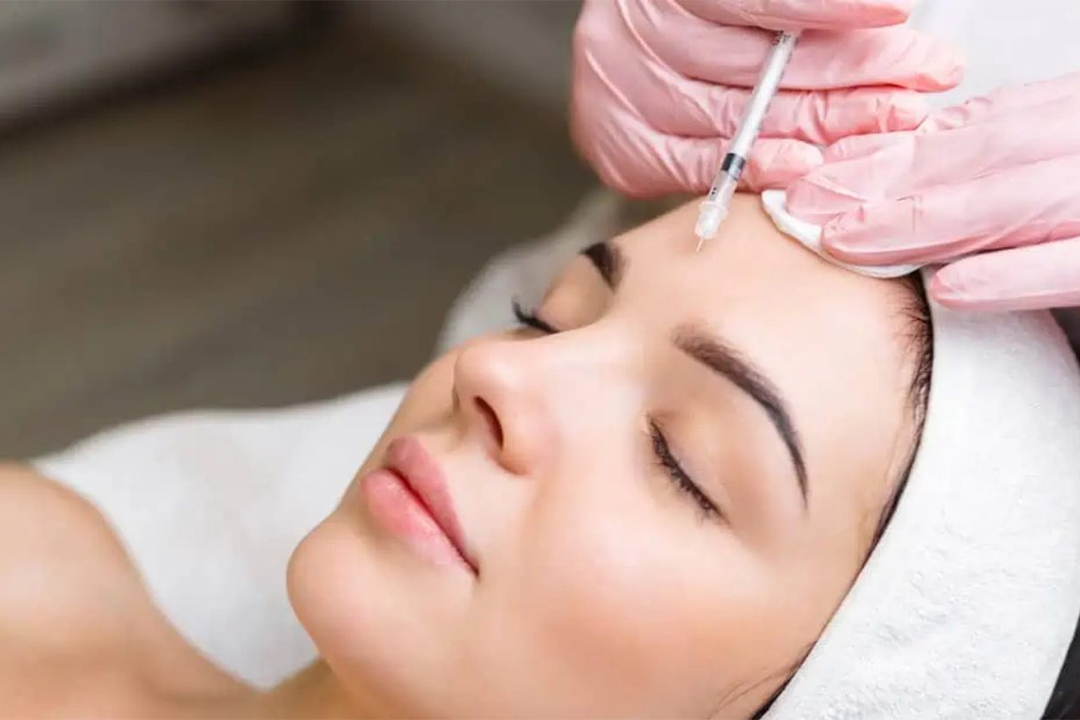
- Injectables: Botox, dermal fillers, and other anti-aging products.
- Energy-based devices: Lasers, radiofrequency, and ultrasound platforms for skin tightening, rejuvenation, and hair removal.
- Body contouring: Non-invasive fat reduction and skin sculpting devices.
- At-home/self-use devices: LED masks, microcurrent tools, and personal skincare devices.
The shift toward minimally invasive procedures is a key trend. Consumers prefer treatments with shorter recovery times, lower risk, and the potential for repeat procedures.
| Year | Market Size (USD Billion) | CAGR |
|---|---|---|
| 2024 | ~17.3 | – |
| 2025 | 19.54 | – |
| 2031 | 40.70 | 13% |
Key Trends and Drivers
Facial Aesthetics Lead
Facial injectables make up roughly 55 percent of the market in 2025. Procedures targeting wrinkles, volume loss, and other skin concerns are popular across ages and genders. Social media influence and professional image concerns are boosting demand.
At-Home Devices Growing Fast
Self-use tools are expected to grow at 22 percent CAGR, reflecting consumer interest in convenient, repeatable treatments.
End-User Focus
Dermatology clinics, hospitals, and medical spas remain the main service channels. Non-surgical demand is driving visits, including rising male participation in aesthetic procedures.
Regional Strength
North America holds the largest market share thanks to high adoption rates, premium pricing, and the availability of board-certified professionals. AI-assisted personalization and combination therapies are also more common in this region.
Broader Catalysts
Aging populations, rising disposable incomes, and the popularity of minimally invasive treatments are fueling growth. Medical tourism in select regions and technological advances in safety, precision, and personalization further support market expansion.
Challenges
High device costs, regulatory requirements, and competition are ongoing challenges. Emerging markets and new technology innovation offer significant opportunities for growth.
Company Analysis
| Company | Focus Area | Market Position | Key Highlights |
|---|---|---|---|
| AbbVie (NYSE: ABBV) | Botox, Juvederm fillers | Leader in facial injectables | Aesthetics portfolio ~$1.2B quarterly (Q3 2025); Botox Therapeutic up ~16%; stable dividend growth; strong pipeline |
| Galderma (Private) | Fillers (Restylane), Dysport, skincare | Major injectable & dermatology player | Innovation in fillers; global expansion; private status limits direct stock investment |
| Johnson & Johnson (NYSE: JNJ) | Cosmetic implants, devices via MedTech | Diversified healthcare leader | Broad exposure; aesthetics through Mentor breast implants and surgical products |
| Bausch Health (NYSE: BHC) | Energy-based devices, RF/skin tightening | Strong in non-invasive devices | Body contouring and skin rejuvenation; recovery potential post-restructuring |
| Cutera (NASDAQ: CUTR) | Laser, RF, skin rejuvenation | Niche device innovator | Focus on energy-based platforms; growth depends on clinic adoption |
AbbVie is a standout for investors because Botox remains a strong cash generator despite minor dips in the cosmetic segment. Johnson & Johnson offers broader stability, while Bausch Health and Cutera provide growth potential tied to non-invasive devices.
Opportunities and Risks
Opportunities
- Growing adoption of minimally invasive treatments and self-use devices.
- Expansion in male aesthetics and regenerative procedures.
- Innovation in AI-personalized treatments and combination therapies.
- Premium North American demand and global medical tourism.
Risks
- Economic sensitivity, as aesthetic procedures are often discretionary.
- Regulatory oversight on devices and injectables.
- Competition from biosimilars, counterfeit products, and natural aesthetic trends.
- Supply chain or technological delays for smaller players.
Investment Considerations
The medical aesthetics sector offers solid growth potential for investors in 2026. Key points:
- Large-cap stability: AbbVie (NYSE: ABBV) and Johnson & Johnson (NYSE: JNJ) provide reliable exposure with dividends and broad healthcare portfolios.
- Growth plays: Bausch Health (NYSE: BHC) and Cutera (NASDAQ: CUTR) offer upside through devices and technology adoption.
- Diversification: Exposure to both injectables and energy-based devices can reduce risk.
Investors should monitor FDA approvals, quarterly revenue trends (especially Botox), consumer sentiment, and economic conditions. The sector’s 13%+ CAGR supports long-term upside, but discretionary spending and regulatory changes could create volatility.
Conclusion
The global medical aesthetics market is set to nearly double in size by 2031. Demand for safe, effective, and minimally invasive procedures continues to grow, driven by technology, aging populations, and social influence. Established leaders like AbbVie are positioned to capture value through brand recognition, strong product portfolios, and pipeline innovation.
For investors, the sector offers a combination of stability in large-cap leaders and growth potential in niche device companies. With continued innovation and global adoption, medical aesthetics remains an attractive area for investment in 2026 and beyond.
Forward-looking information is subject to risks and uncertainties. Please read our full DISCLAIMER.