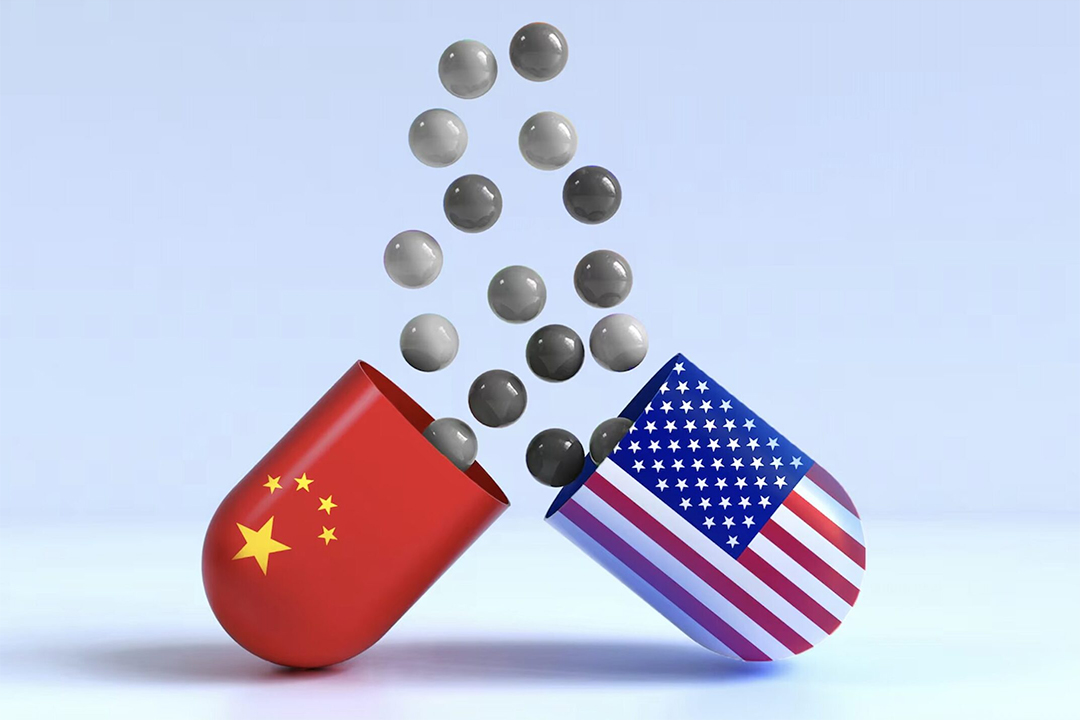
David Li, founder of Meliora Therapeutics, quickly learned that the U.S. biotech space isn’t isolated anymore. While looking at drug targets for his new company, he noticed that a lot of the same targets were already being pursued by Chinese firms. Curious, he went to Shanghai and Suzhou. What he saw surprised him. “They’re all about survival and differentiation. Everything moves fast, and the competition is intense,” Li said.
It’s not just Li. U.S. companies are now licensing Chinese compounds, and some startups are forming around drugs developed in China. The number of deals has jumped over the past couple of years, which means U.S. developers need to work harder to stay ahead.
Speed and Efficiency Give China an Edge
Chinese biotech firms benefit from government backing, grants, and subsidized lab space. Cities like Shanghai and Suzhou now rival U.S. biotech hubs like Cambridge, Massachusetts, and San Francisco.
Li said Chinese startups can go from concept to clinical trials in about 18 months, whereas U.S. companies often take multiple years. Lower costs, faster patient recruitment, and better supply chain access let these companies move quickly. Andy Plump of Takeda Pharmaceutical added that domestic networks make trial execution faster than anything in the U.S.
Copycats Are Getting Smarter
Many Chinese firms started by making “me-too” drugs—copies of existing therapies. But now, the next generation of drugs is improving on the originals. BeiGene’s Brukinsa, for instance, overtook older leukemia treatments in new prescriptions.
These companies are also tackling more complex drug designs, like multifunctional antibodies and antibody-drug conjugates. Li said the constant flow of new compounds keeps the market competitive and dynamic.
Licensing Deals on the Rise
U.S. firms are responding. Summit Therapeutics licensed ivonescimab from Akeso Therapeutics, a China-based company. Early trial results were promising, even beating Merck’s Keytruda in lung cancer studies.
Meanwhile, startups in the U.S. are forming around Chinese-originated drugs. Kailera Therapeutics, Verdiva Bio, and Candid Therapeutics all launched with nine-figure funding rounds. Robert Plenge from Bristol Myers Squibb said the quality and differentiation of these compounds has improved a lot in the past few years.
Geopolitics Complicate Things
This activity is happening despite political uncertainty. The Biosecure Act could limit partnerships with Chinese entities, and tariffs could affect supply chains. Still, experts say deals are likely to continue. Paul Hastings of Nkarta said, “Costs might go up, but the flow of new compounds isn’t stopping.”
U.S. Companies Must Step Up
The competition is forcing U.S. companies to focus on what makes them unique. Kristina Burow of Arch Venture Partners said firms must develop capabilities others can’t easily replicate. Investors also warn about sharing early data. Alexis Borisy of Curie.Bio said, “Keep things private until patents are filed. Otherwise, competitors catch up fast.”
Neil Kumar, CEO of BridgeBio Pharma, sees opportunity. Using high-quality compounds from abroad lets U.S. companies focus on truly novel projects. Li agrees. Meliora is working on targets that are hard to access elsewhere. “The rules haven’t changed,” he said. “We need to bring something genuinely unique. The bar is higher, and that’s how you succeed.”