Energy & Green Tech
-
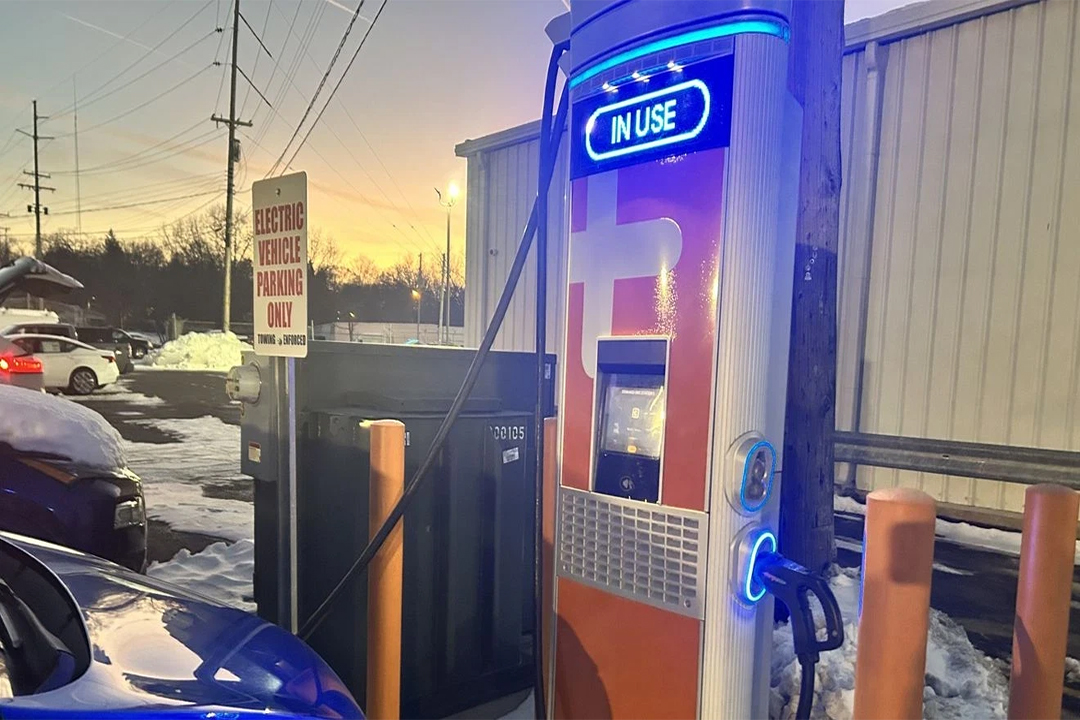
95% of Rural Michigan Drivers Reject EVs—Here’s the Shocking Truth
Rural Michigan Drivers Aren’t Buying EVs—Even When They Could A new University of Michigan survey of 1,000 rural residents shows there’s a big gap between perception and reality when it comes to electric vehicles. Only 5% said they’d choose an EV as their next car. That’s well below the national average. Researchers say cost worries,
-
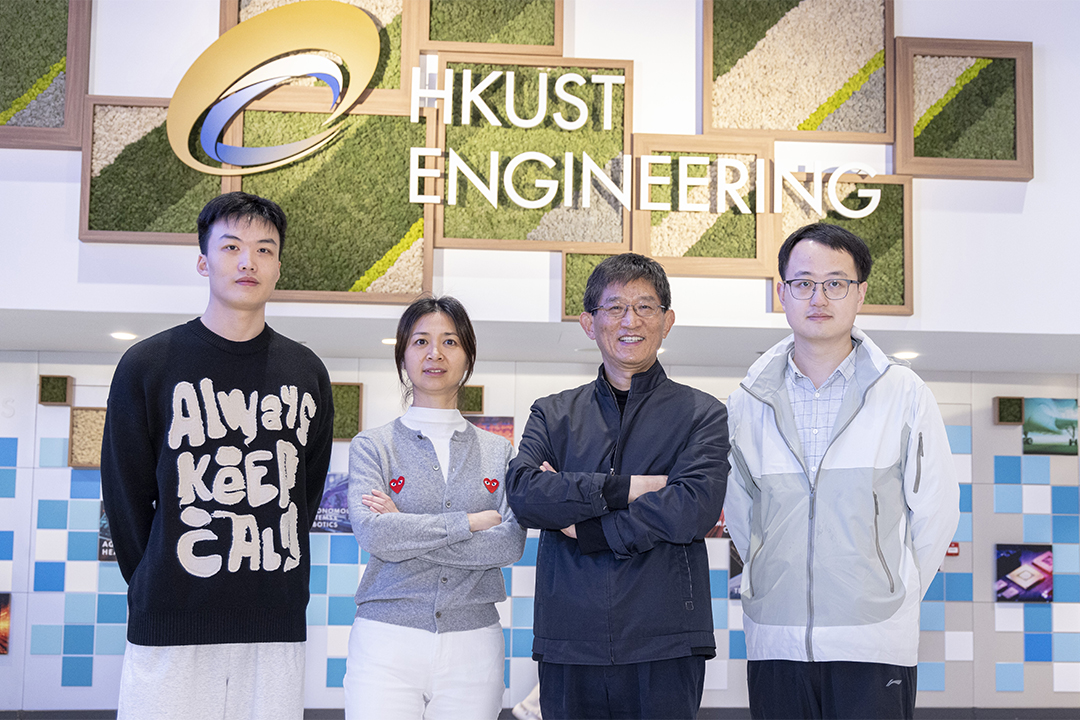
New Sub-Zero Freezer by HKUST Promises Massive CO2 Reduction Worldwide
HKUST Builds First Sub-Zero Elastocaloric Freezer Researchers at Hong Kong University of Science and Technology say they have made the world’s first sub-zero elastocaloric freezer. It can reach -12℃. That’s pretty cool, literally, and could shake up the freezing industry. They published the work in Nature, calling it “Sub-zero Celsius Elastocaloric Cooling via Low-transition-temperature Alloys.”
-
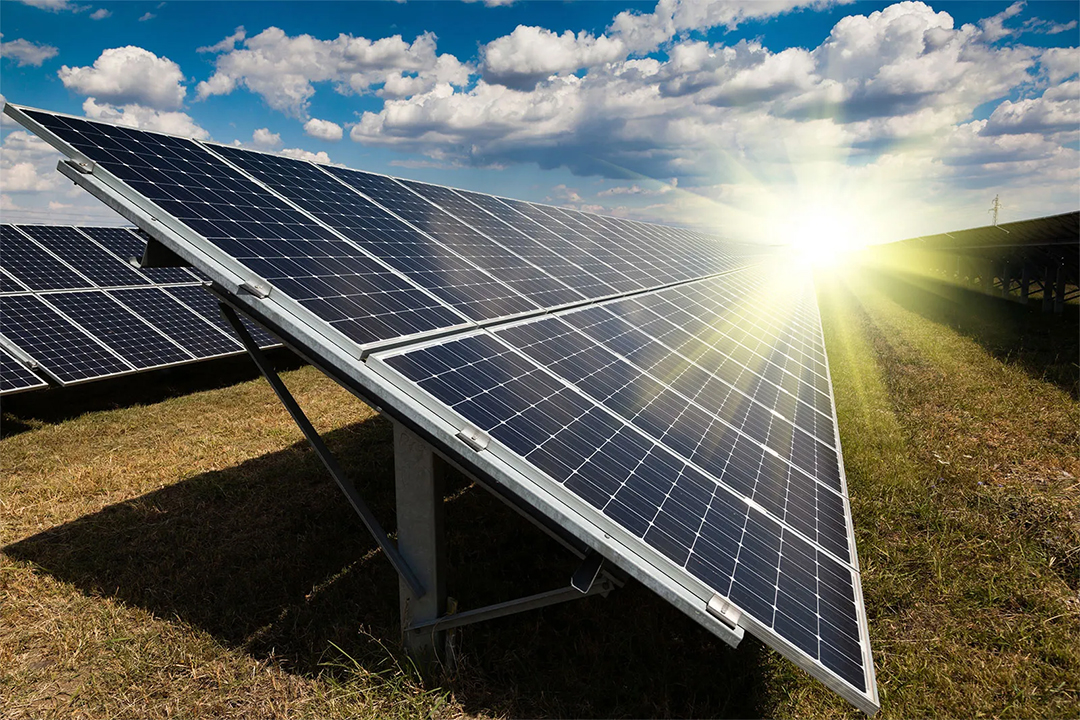
The $15 Billion Risk in the Solar Industry
Solar panels are helping fight climate change, no doubt about it. But there’s a hidden issue. Most panels are basically made to be thrown away. By 2050, we could see as much as 250 million metric tons of solar waste. That’s from panels installed in the 2000s and 2010s reaching the end of their life.
-
From Waste to Wealth: UC Riverside’s Biomass Breakthrough
Researchers at UC Riverside have built a pilot facility that can turn forestry and farm waste into high-value pulp. They say it could let growers and forest managers make money from materials that normally cost a lot to get rid of. “This process is cleaner and uses less energy than the old methods,” said Charles
-
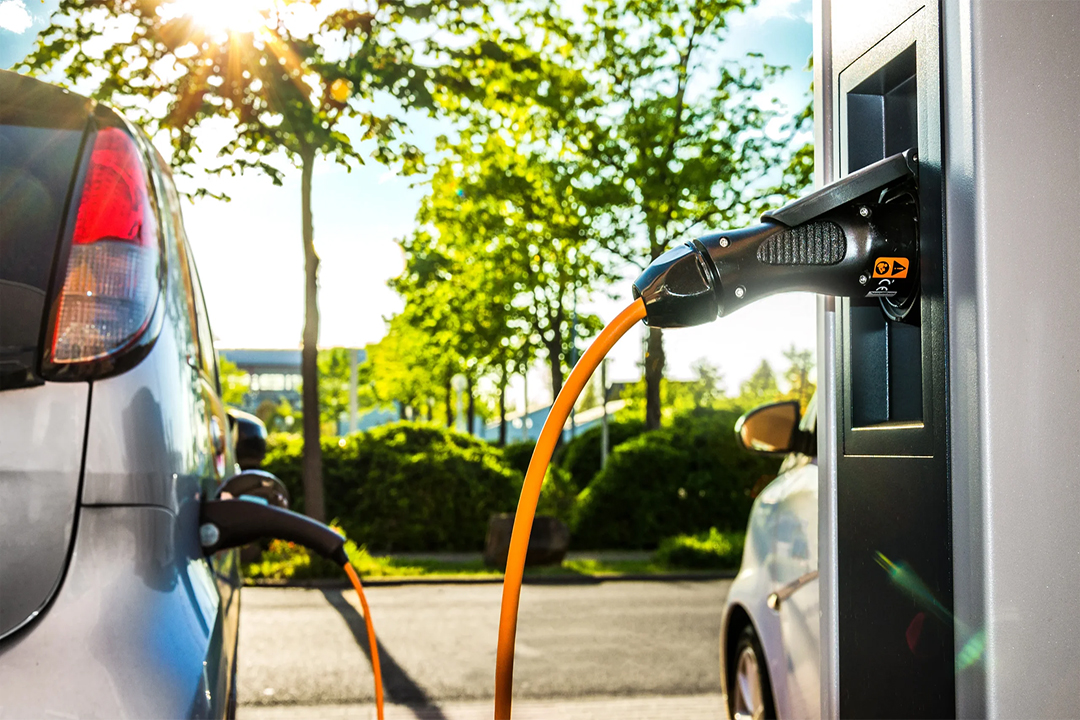
Africa’s EV Opportunity: The Market the World Is Overlooking
Vehicle numbers in Africa are set to double by 2050. That is faster than anywhere else in the world. The real question is not if mobility will grow but how it will happen. A new study from ETH Zurich and the Paul Scherrer Institute suggests electric vehicles may become cheaper than gas cars in many
-
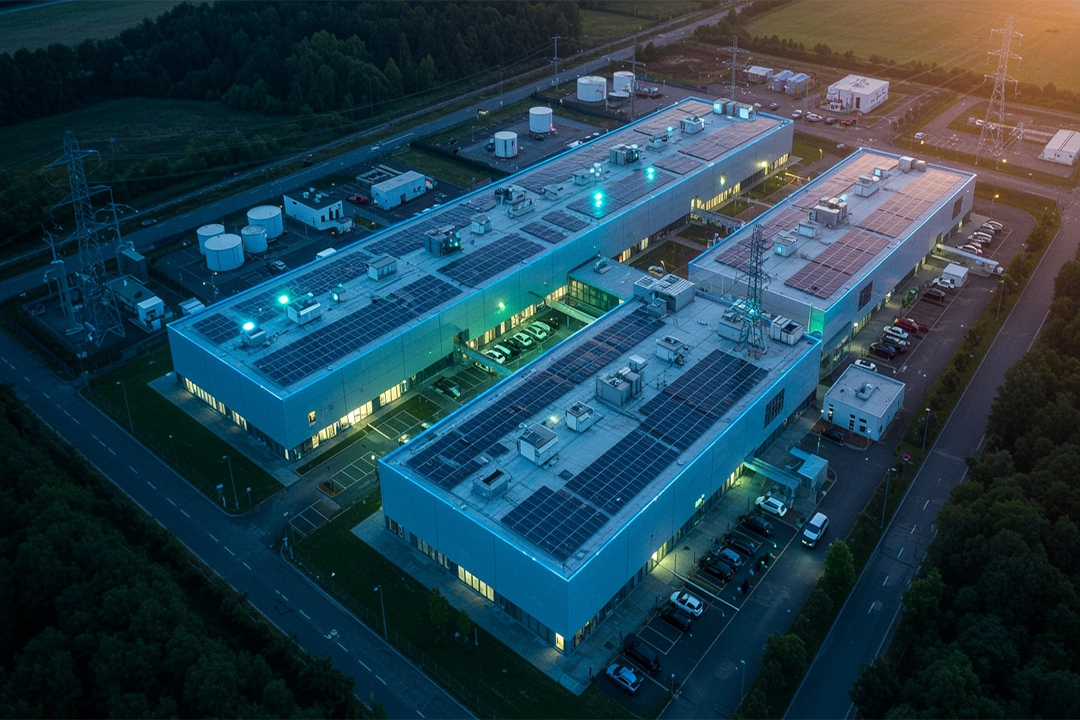
From Energy Hog to Grid Helper: AI Data Centers in Action
AI is growing really fast and, well, that is creating a problem for electricity grids. Data centers that run AI models use a ton of power. That can make it harder for utilities to keep the lights on, literally, and to keep prices stable. Most solutions so far have been to build new power plants
-
Meta’s AI Drive Shows How Tech Is Powering the Energy Race
Meta is betting big on nuclear. On Friday, it announced agreements with three nuclear companies. One of them is backed by OpenAI CEO Sam Altman. The goal? Power its Prometheus supercluster at a new Ohio data center. The system is expected to go live in 2026. The partners are Vistra, TerraPower, and Oklo. All three
-
DGIST Breakthrough Could Power AI Devices Without Charging
Researchers at DGIST led by Professor Su-Il In have made a big step forward in betavoltaic batteries. These are batteries that generate power from radioactive decay. The team reported a sixfold improvement in efficiency for perovskite-based devices. The study was published in Carbon Energy. Why This Matters Betavoltaic batteries can produce electricity without external charging.