
AktieGo Academy
-
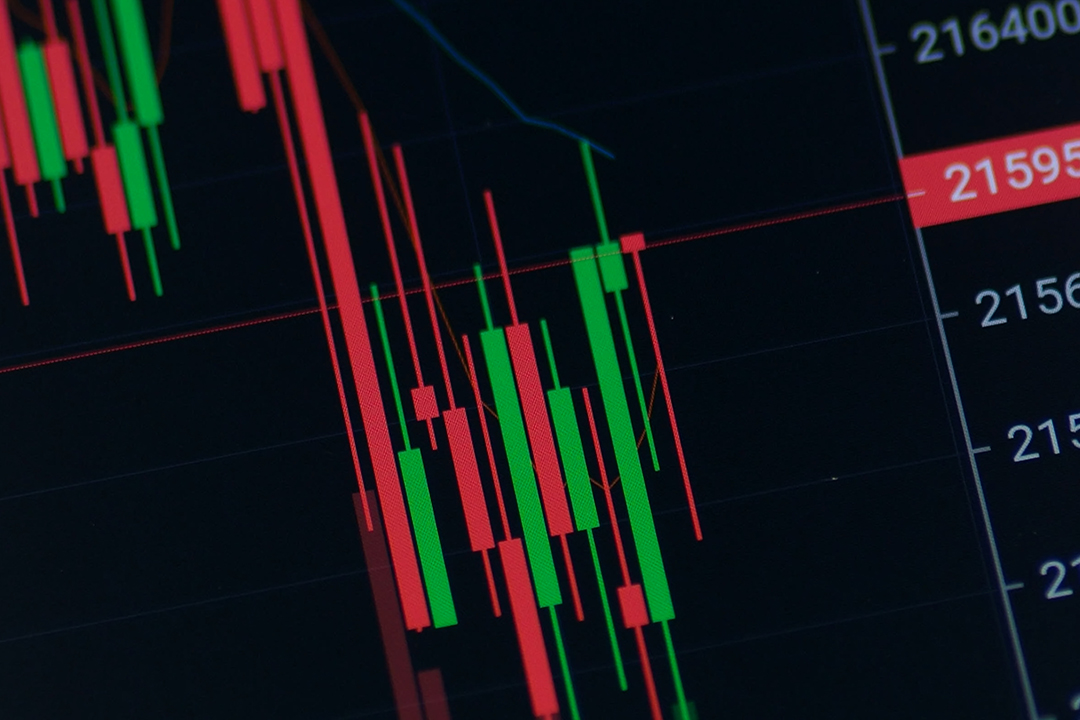
Why Market Orders Are Dangerous on Thin Volume (and How to Use Limit Orders)
Our lesson on market makers and bid-ask spreads covered why that gap between the buy price and the sell price widens on a thinly traded stock. This one covers the part that actually costs you money if you get it wrong: which order type you use to place the trade. Two order types handle almost…
-
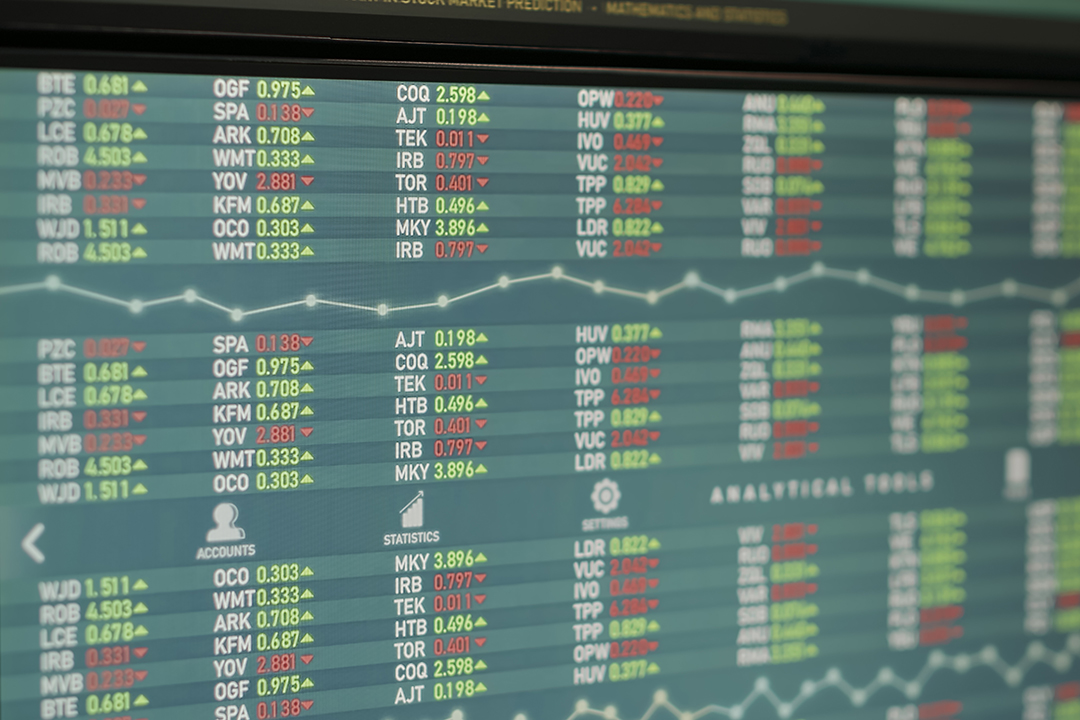
Market Makers and Bid-Ask Spreads on Thinly Traded Stocks
Pull up a quote on any stock and you’ll see two prices sitting side by side. One is what someone’s currently willing to pay for it. The other is what someone’s currently willing to sell it for. They’re never the same number, and on a small cap that trades a few thousand shares a day,…
-

Shell Companies and Reverse Takeovers (RTOs): How They Work
“Shell company” sounds like a red flag the moment you hear it. Empty corporate structure, no real business inside, sitting there waiting for something to happen. And in the world of small-cap Canadian markets, that’s often exactly what it is, and exactly why it’s useful. A shell isn’t inherently a scam vehicle. It’s a tool.…
-

How a Company Gets Listed: CSE vs. TSXV vs. Graduating to TSX
Most small caps on the TSXV didn’t get there through a traditional IPO. They got there through something called a Capital Pool Company, a shell with nothing in it but cash, built for the sole purpose of finding a business to acquire. That sounds strange written out plainly. It’s also completely normal, heavily regulated, and…
-

SEDI 101: Checking What Insiders Are Buying and Selling
Management talks a good game in every press release. That’s the job, sell the story. What they actually do with their own money is a separate question entirely, and Canada happens to have a public database where you can go check. It’s called SEDI. Free, public, and it’s where every director, officer, and major shareholder…
-

SEDAR+ 101: How to Actually Read a Company’s Filings
Every small-cap investing guide tells you to “do your due diligence.” Almost none of them tell you where that actually happens, or what to click once you get there. This is that part. The tool is called SEDAR+. It’s free, it’s public, and every company trading on the TSX, TSXV, or CSE has to file…
-

TSX vs. TSXV vs. CSE: What That Ticker Suffix Actually Means
New here? Our intro article covers what a small cap actually is and what this academy teaches, a good first stop if you’re starting from zero. If you already know the basics, keep reading. Somewhere out there is a company that makes actual money, has actual customers, and files financials that look the way financials…
-

What Is a Small Cap, and Why Does This Academy Exist?
Every large company on the TSX was small once. Every one of them. Somewhere in the history of the biggest bank, the biggest pipeline, the biggest gold producer trading today, there’s a filing from decades ago showing a company with a handful of employees and a market cap that would barely register now. That’s the…