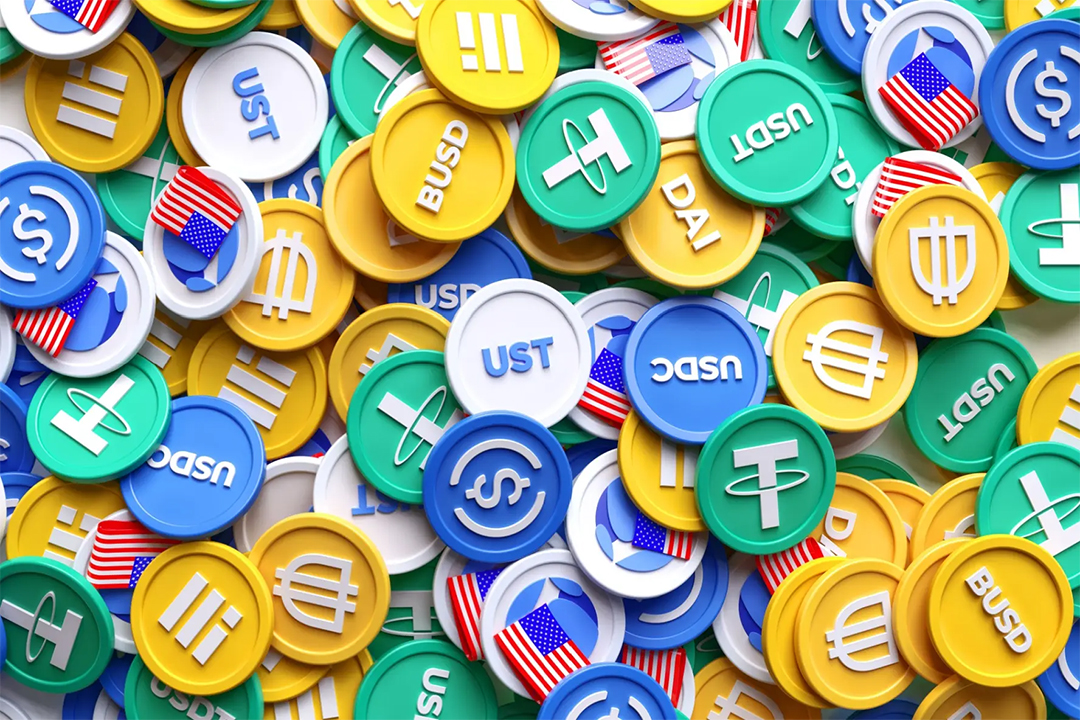
Stablecoins quietly became crypto’s most useful product in 2025. They crossed over into the real world in a way few other crypto ideas ever have.
Now the industry is trying to build on that momentum. The pitch for 2026 is simple enough: if dollars can live onchain, why not stocks, funds, or even gold?
That idea, usually grouped under “tokenization,” is starting to look less experimental. Big financial firms are no longer just watching from the sidelines. BlackRock, JPMorgan and BNY are all involved in different ways. According to RWA.xyz, the value of tokenized assets nearly quadrupled last year to around $20 billion.
That’s still small by traditional finance standards, but the direction matters.
Tokenization Is Starting to Feel Inevitable
Samir Kerbage, CIO at Hashdex, thinks the market could grow far faster than many expect. He believes tokenized assets could exceed $400 billion by the end of next year, up from roughly $36 billion today.
In his view, stablecoins answered the hardest question first: do people actually want onchain financial products? The answer appears to be yes.
Once cash is onchain, it does what cash always does. It looks for returns. That creates demand for investment products that can plug directly into blockchain rails instead of bouncing back and forth between systems.
Kerbage also notes that this shift is not being driven by hype alone. Capital is already moving, and infrastructure is slowly catching up. Regulation, identity standards and interoperability still lag, but the direction feels set.
Banks Are Done Testing. Now They’re Building
For years, tokenization mostly lived in slide decks and pilot programs. According to Paolo Ardoino, CEO of Tether and CIO of Bitfinex, that phase is ending.
He expects 2026 to be the year banks move from experimenting to actually using tokenization in live markets. The efficiency gains are real, and access to global investors is hard to ignore.
Ardoino argues that emerging markets could move fastest. Issuers there can sidestep outdated infrastructure and reach investors directly, using blockchain rails from day one.
Jürgen Blumberg, COO of Centrifuge, sees the same pattern forming. He expects real-world asset tokens to cross $100 billion in total value locked by the end of 2026. He also believes many of the world’s largest asset managers will have tokenized products on the market by then, including index-based offerings.
Tokenized Stocks Are No Longer a Thought Experiment
Last year was a turning point for tokenized equities.
Robert Leshner, founder of Superstate, says public stocks went from being largely untouchable to something issuers are actively exploring. Platforms like Robinhood, Kraken and Gemini launched tokenized stock products, even if many early versions relied on synthetic structures.
The next step is cleaner issuance. Carlos Domingo, CEO of Securitize, says the real goal is native tokenization, where the token is the actual share, not a wrapper.
Domingo also expects tokenized ETFs to show up more often. Once users hold stablecoins, it’s a short leap to wanting exposure to U.S. indices. Onchain versions of the S&P 500 or Nasdaq are an obvious target.
DeFi Needs Better Assets, Not More Experiments
Tokenization is also creeping into decentralized finance, though not in the way early crypto advocates imagined.
Instead of throwing open the gates, the focus is shifting to asset quality. Regulated, issuer-backed tokenized assets are increasingly viewed as acceptable collateral for lending and liquidity.
Domingo argues that DeFi needs institutions to grow, and institutions need assets they can trust. Tokenized real-world assets are one of the few places those interests overlap.
Infrastructure Is Where Things Get Messy
Gabe Otte, co-founder of Dinari, thinks the biggest challenge ahead is plumbing, not demand.
Tokenized securities will not live on one blockchain. They will move across chains, custodians and platforms. Without shared standards, the market risks fragmenting into disconnected pools of liquidity.
Otte describes tokenization as a new kind of globalization for financial assets. Faster settlement, easier rebalancing and more flexible collateral movement are all part of the appeal, but only if systems can talk to each other.
Gold Is Quietly Becoming a Big Deal Onchain
One corner of the tokenized market is already heating up: gold.
With gold prices near record highs, tokenized versions of the metal are gaining attention. Lorenzo R., co-founder of USDT0, believes tokenized gold could play a role similar to stablecoins, but for hard assets.
He points to familiar pressures. Geopolitical risk, rate volatility and declining trust in sovereign debt all helped push stablecoins into the mainstream. Those same forces are now driving interest in gold-backed tokens.
In his view, programmable gold is no longer just a niche idea. It’s starting to look like a foundational asset for onchain finance.