Sustainable aviation fuel made from captured carbon dioxide and renewable electricity is one of the most promising paths to decarbonizing a sector that cannot easily electrify. Planes are not going battery-powered anytime soon. The fuel they burn needs to change instead. On April 9, 2026, eFuels SEA launched in Singapore as a dedicated platform to develop electrofuel production facilities across Southeast Asia, licensing technology from Infinium, the company that operates the world’s first commercial-scale eFuels plant in Corpus Christi, Texas.
The plan is to develop three to five commercial-scale projects across multiple Southeast Asian countries. The feedstocks, renewable energy and captured carbon dioxide, are increasingly abundant in the region. The demand, from aviation, shipping, and industrial customers, is growing fast.
What electrofuels actually are and why they matter for hard-to-decarbonize sectors
Electrofuels, also called eFuels or Power-to-X fuels, are liquid fuels produced by combining captured carbon dioxide with hydrogen generated from renewable electricity through electrolysis. The resulting product is chemically identical to conventional jet fuel, diesel, or other hydrocarbon fuels, which means it works in existing engines, existing pipelines, and existing refueling infrastructure without modification.
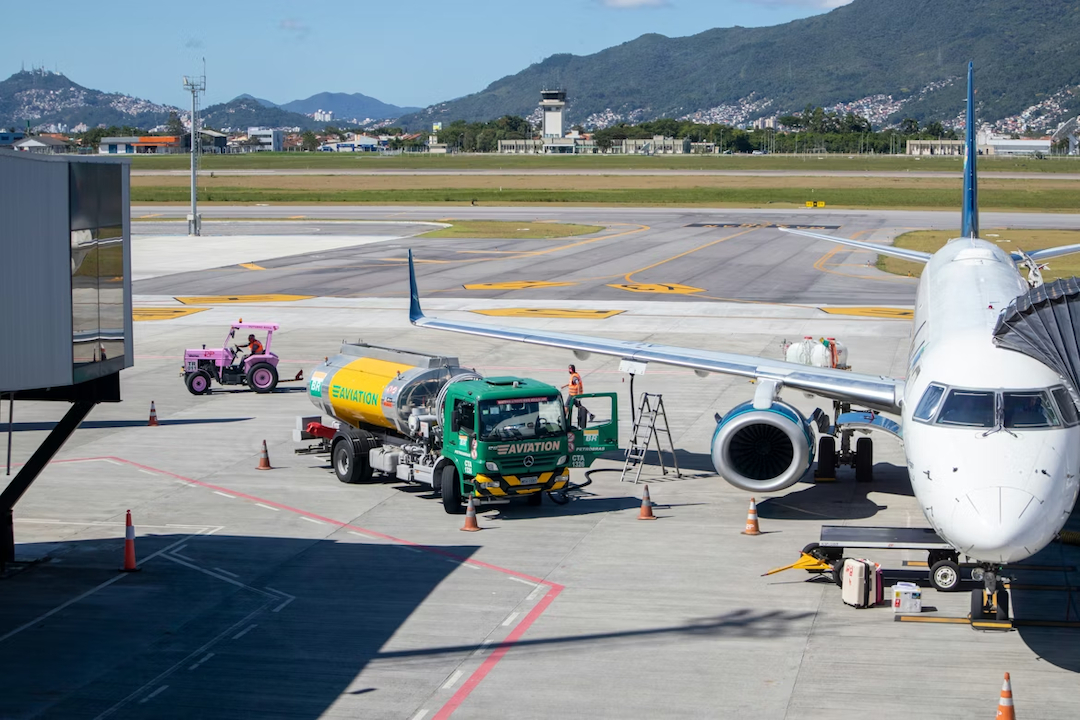
That drop-in compatibility is what separates eFuels from many other clean energy alternatives. Airlines do not need new aircraft. Shipping companies do not need new engines. Fuel distributors do not need new infrastructure. The fuel simply replaces or blends with conventional fuel while carrying a dramatically lower carbon footprint because the carbon it releases when burned was captured from the atmosphere or industrial sources before it was synthesized.
Infinium’s specific technology converts renewable electricity, water, and waste carbon dioxide into high-value liquid fuels. The company has been operating its Corpus Christi plant since 2023, making it one of the few eFuels producers in the world with a genuine commercial track record rather than just a pilot facility. A second Infinium-technology plant is currently under construction in Pecos, Texas. Licensing that validated technology to eFuels SEA gives the Southeast Asian projects a foundation that most new entrants in this space lack.
Why Southeast Asia is the right geography for this at this moment
Southeast Asia’s combination of fuel demand, renewable energy resources, and policy momentum makes it an unusually attractive region for eFuels development. The region is home to some of the world’s fastest-growing aviation markets, with passenger growth in Southeast Asia consistently outpacing global averages according to the International Air Transport Association. Singapore’s Changi Airport alone handles tens of millions of passengers annually and has made sustainable aviation fuel a strategic priority.
Several Southeast Asian countries are advancing hydrogen and carbon management strategies that directly align with eFuels deployment. Indonesia, which holds enormous geothermal and solar potential, has committed to significant renewable energy expansion. Malaysia has been developing green hydrogen infrastructure. Thailand has established net-zero targets that require sustainable fuel solutions for its substantial aviation and industrial sectors. Singapore has implemented a SAF blending mandate that will require sustainable aviation fuel to comprise a growing percentage of jet fuel supplied at Changi.
According to the International Renewable Energy Agency, Southeast Asia has the renewable energy potential to support large-scale Power-to-X fuel production, with solar and geothermal resources that remain significantly underutilized relative to their potential. The combination of cheap renewable energy and available waste carbon dioxide from industrial sources creates the feedstock economics that make eFuels commercially viable.
The aviation decarbonization imperative is creating real demand
Aviation accounts for approximately 2.5% of global carbon dioxide emissions, but its total climate impact including contrail formation and high-altitude effects is estimated to be significantly larger. The sector faces mounting regulatory pressure and voluntary commitments that are creating genuine pull demand for sustainable aviation fuel.
The European Union’s ReFuelEU Aviation regulation is creating mandatory SAF blending requirements that airlines serving European airports must meet regardless of where their flights originate. That extraterritorial reach means Asian airlines flying to Europe need access to sustainable aviation fuel. Asian airlines currently face a supply shortage that eFuels produced in the region could help address.
The World Economic Forum’s Clean Skies for Tomorrow initiative has documented that SAF supply needs to scale by orders of magnitude from current levels to meet the aviation industry’s net-zero commitments by 2050. Most current SAF production is biofuel-based and constrained by feedstock availability. Electrofuels produced from renewable electricity and captured carbon dioxide face no such feedstock constraint, making them the longer-term scalable solution even if they currently cost more to produce.
What eFuels SEA needs to execute on this vision
The launch announcement covers the platform, the technology license, and the ambition. The harder work is project development: securing sites, negotiating power purchase agreements for renewable electricity, establishing carbon dioxide supply from industrial sources, arranging project finance, and navigating regulatory approvals across multiple Southeast Asian jurisdictions.
The team’s described expertise in energy markets, project finance, and industrial development is exactly the skill set this work requires. Regional project development in Southeast Asia is relationship-intensive, requiring deep local knowledge across countries with meaningfully different regulatory and business environments.
Infinium’s Corpus Christi operating history provides a crucial asset for project finance conversations. Banks and infrastructure investors require demonstrated technology performance data before committing capital to large-scale industrial projects. Having a reference plant with commercial operating history makes the financing conversations for Southeast Asian projects significantly easier than they would be for first-of-kind technology.
Sources
- International Air Transport Association — Airline Industry Economic Performance
- International Renewable Energy Agency — Southeast Asia Energy Transition
- World Economic Forum — Clean Skies for Tomorrow
- Infinium — Official Website
- eFuels SEA — Official Website
Editorial disclosure
This article is based on a press release issued by Infinium and eFuels SEA and has been independently rewritten and editorially expanded. It covers the launch of eFuels SEA as a platform for electrofuel project development in Southeast Asia. eFuels SEA is a newly launched company with no operating track record. Project development timelines and commercial outcomes are subject to significant uncertainty. This article does not constitute financial or investment advice. Market context is sourced from IATA, IRENA, and the World Economic Forum. Commentary reflects the author’s own assessment. The information provided on this website is for informational and educational purposes only. Our content is derived strictly from verified online sources to ensure accuracy and objectivity. This analysis does not constitute financial, investment, or professional advice. Readers are encouraged to consult with qualified professionals before making decisions based on this information. For more information, please see our full DISCLAIMER.