Rural Michigan Drivers Aren’t Buying EVs—Even When They Could
A new University of Michigan survey of 1,000 rural residents shows there’s a big gap between perception and reality when it comes to electric vehicles.
Only 5% said they’d choose an EV as their next car. That’s well below the national average. Researchers say cost worries, limited exposure, and simple misconceptions keep EVs from catching on in rural areas.
Why This Matters
Parth Vaishnav, U-M assistant professor of environment and sustainability, says understanding the gap helps explain why EV adoption is so low—and what might change it. Better information and visible charging infrastructure could help a lot, he says.
“The shift to EVs is essential for the U.S. auto industry to stay competitive,” Vaishnav adds. “The rest of the world, especially growing markets in the Global South, is moving fast toward EVs. And it’s critical for Michigan, where the auto industry drives prosperity.”
Perception vs. Reality
The survey shows rural drivers often underestimate how EVs would fit into their lives:
- Nearly half said a home Level 2 charger wouldn’t meet their needs. In reality, three-quarters could cover daily driving with one.
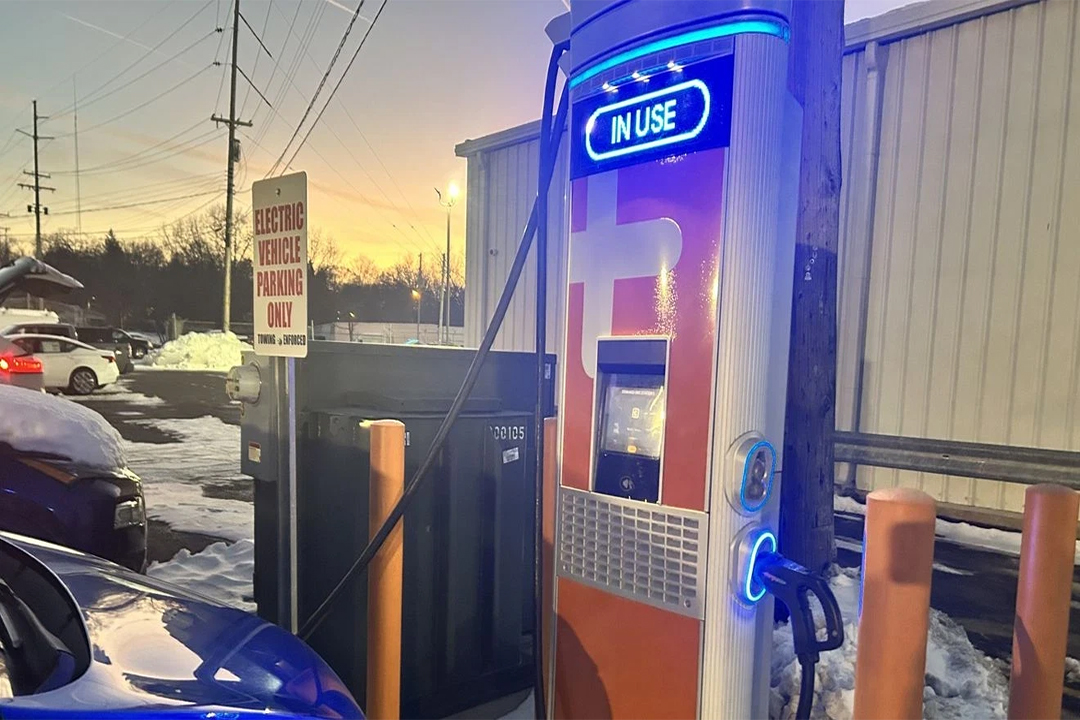
- Thirty percent thought there was no public charger nearby, but half actually live within five miles of a fast charger.
- More than a third said gas is cheaper, but two-thirds of those could actually afford an EV within their budget.
Why the Gap Persists
Earlier studies looked at range anxiety and charging access, but few focus on rural drivers specifically. U-M researchers compared survey answers with real-world data on chargers and EV listings across Michigan.
They looked at three things:
- Ability to charge at home
- Access to convenient public chargers
- Availability of new or used EVs within budget
The results show over half of rural drivers are more pessimistic than necessary. Misinformation drives hesitation. And that pessimism predicts whether someone is interested in a new or used EV.
It’s Not Just About Infrastructure
Yes, building more chargers helps. But the study shows information is just as important.
- 55% of people who doubted home charging said they “drive too much in a day.” Most of them actually drive well within EV range.
- Safety, maintenance, and resale concerns remain, often because people don’t have trustworthy info.
Getting clear, accurate details about battery life, range, and costs could make EVs seem much more practical—especially used ones.
A Road Map for Rural Adoption
U-M’s research suggests adoption could rise faster than expected if drivers are better informed.
Anna Stefanopoulou, U-M professor of mechanical engineering, says, “More than half of Michigan’s rural residents are more pessimistic than they need to be. If drivers could see reliable info about battery health on their dashboard, including winter performance and longevity, lower-cost used EVs could look a lot more practical.”
Efforts like a global battery certificate, which shows the sustainability and energy footprint of a battery, could also help boost confidence in EVs.