A System Reaching Its Limits
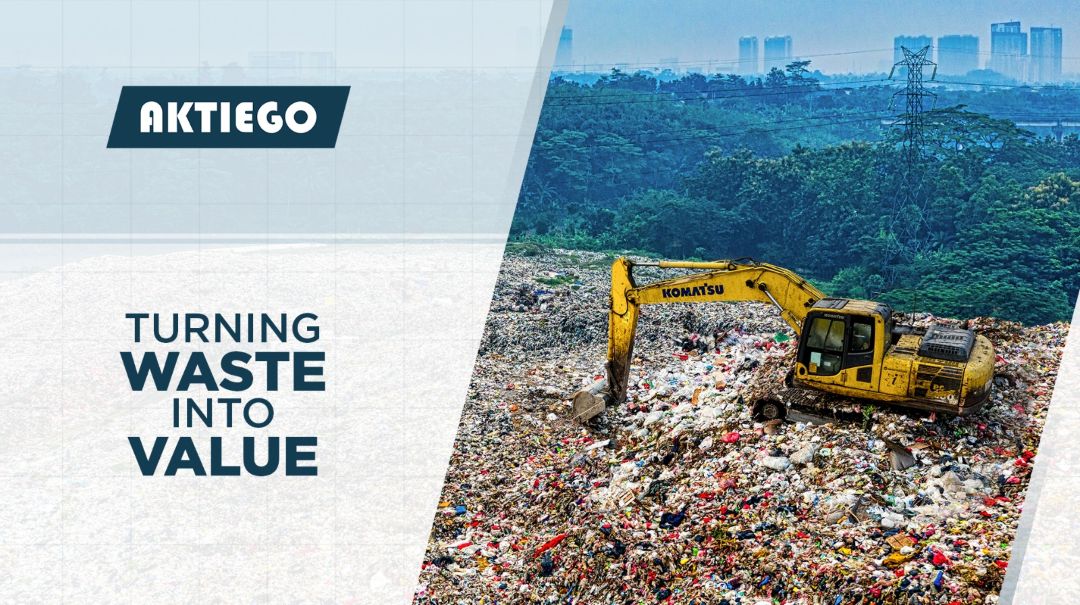
On the eastern edge of Delhi stands a landfill that was never meant to exist this long.
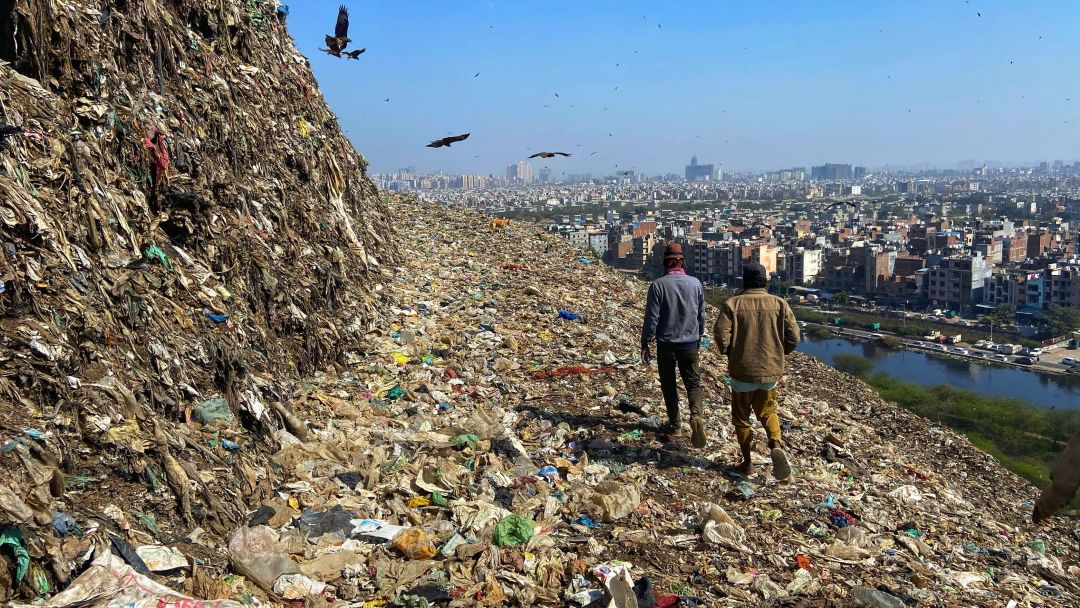
The Ghazipur landfill opened in 1984 and was scheduled to close in 2002. Instead, it kept growing. Today the mound rises more than sixty meters above the surrounding neighborhoods, a compressed mass of refuse built from the daily waste of roughly fourteen million residents. Entire communities live in its shadow. Informal workers sort through its slopes every morning, searching for recyclable materials that can be sold for a few rupees.
In April 2024, the landfill caught fire again. Thick smoke drifted across nearby districts for days, carrying toxins produced when compressed waste burns in open air. The cause was officially listed as undetermined, though residents and regulators understand the underlying problem well. Organic material decomposing inside landfills produces methane, a highly flammable gas that accumulates under layers of garbage until it eventually finds an outlet.
By early 2025, the Ghazipur landfill still contained roughly 85 million metric tons of waste.
It is one landfill in one city. But the forces that created it are global.
Each year the world produces about 2.1 billion metric tons of municipal solid waste. By 2050, that figure is expected to reach 3.8 billion tons, driven largely by population growth, urbanization, and rising consumption. The waste does not disappear. It is transported somewhere—usually out of sight—and deposited in landfills or burned in incinerators.
Both solutions are increasingly strained.
Across the United States, several states are projected to exhaust landfill capacity within the next decade. In densely populated regions such as Massachusetts, waste already travels hundreds of miles to disposal sites in other states. New landfill projects often face intense local opposition, and permitting them can take years.
At the same time, landfills are emerging as significant contributors to climate change. Organic waste decomposes in low-oxygen conditions, generating methane. Globally, landfills account for roughly 10–19 percent of human-caused methane emissions. Over a twenty-year period, methane traps heat in the atmosphere about eighty times more effectively than carbon dioxide.
Satellite surveys conducted in recent years have detected over a thousand methane plumes rising from landfill sites worldwide, some releasing up to thirty metric tons of methane per hour.
The problem is no longer hidden. It surfaces in disasters as well as statistics.
In July 2000, after weeks of heavy rain, part of the Payatas dumpsite outside Manila collapsed, burying a nearby settlement known as Lupang Pangako. Official reports counted more than two hundred deaths, though many estimates suggested the number was far higher. The site reopened weeks later. The city had nowhere else to put its garbage.
Events like Payatas and places like Ghazipur illustrate the same structural problem: modern waste infrastructure was designed for a smaller world.
Today, that system is approaching its limits.
The Rise of Waste Incineration
When landfills began filling faster than cities could expand them, many municipalities turned to a different approach: burning the waste.
Waste-to-energy incinerators offered an appealing solution. Combustion reduces the volume of municipal waste by as much as 90 percent, dramatically shrinking the land required for disposal. The heat generated during the process can be captured to produce electricity or district heating.
In Europe, incineration has become a major part of the waste system. Sweden burns nearly half of its municipal waste, while the broader European Union incinerates roughly a quarter of what it collects.
But the process does not eliminate waste. It transforms it.
Combustion converts garbage into energy and ash. The ash—roughly 20–30 percent of the original waste weight—must still be disposed of, and the most hazardous fraction contains concentrated heavy metals and toxic compounds requiring specialized handling.

More fundamentally, incineration is a combustion process, and combustion carries emissions. Waste-to-energy plants typically release 0.7 to 1.2 metric tons of CO₂ per ton of waste burned, with plastics contributing significantly due to their fossil origin. Across the European Union, this translates to roughly 90 million metric tons of CO₂ emissions annually.
Air pollutants—including nitrogen oxides, particulate matter, and trace toxic compounds—are reduced by modern filtration systems, but not eliminated. Instead, part of that burden is transferred into hazardous residues such as fly ash.
The carbon dynamic is equally direct. Materials that could be reused, recycled, or stabilized are instead converted into emissions within seconds.
The economics reinforce the model. Incinerators require steady waste input to remain viable, often locking municipalities into long-term supply contracts. In some regions, this has led to cross-border waste imports to keep facilities operating at capacity.
A system designed to reduce waste becomes dependent on its continued production.
At the same time, incineration destroys materials that retain economic value—plastics, organics, and fibers that could otherwise be converted into fuels, chemicals, or industrial inputs. Estimates suggest more than $120 billion in recoverable resources are lost annually through conventional disposal methods.
Volume goes down. Emissions go up. Value disappears.
The search for alternatives has accelerated.
Waste as a Misclassified Resource
The idea that waste contains economic value is not new. But only recently has the technology matured enough to extract that value efficiently.
A metric ton of municipal solid waste contains roughly the same energy as 170 liters of diesel fuel. Plastics contain even higher concentrations of chemical energy, while organic materials can produce methane or other fuels through biological processes.
For decades, however, recovering that value was difficult. Waste streams are heterogeneous mixtures of materials, often contaminated and inconsistent. Technologies that work in laboratories frequently struggle to handle real-world municipal waste.
Yet interest in recovering value from waste has grown rapidly.
The global waste management industry was valued at roughly $1.2 trillion in 2024 and is projected to reach more than $2 trillion within the next decade. Much of that growth is driven by emerging technologies designed to convert waste into fuels, materials, and chemical feedstocks.
Biochar and the Carbon Economy

One of the most promising outputs is biochar, a stable carbon-rich material produced through controlled thermal decomposition.
Biochar has a long history. Archaeologists studying the Amazon basin discovered patches of unusually fertile soil known as terra preta, or “dark earth.” These soils were created thousands of years ago by indigenous civilizations that intentionally heated organic matter in low-oxygen conditions and mixed the resulting charcoal into the soil.
The carbon they locked into the ground remains there today.
Modern science recognizes biochar as both a soil enhancer and a form of carbon sequestration. When incorporated into agricultural land, it improves water retention, increases microbial activity, and enhances nutrient availability.
| Region | 2024 Market Size | Projected 2033 | Growth Outlook |
|---|---|---|---|
| Global | $2.2B | $6.0B+ | ~11–12% CAGR |
| North America | $360M | $736M | ~8.0% CAGR |
| Europe | $420M | $1.1B | ~10% CAGR |
| China / Asia-Pacific | $650M | $2.0B+ | ~13–15% CAGR |
The commercial market for biochar has expanded quickly. In 2024 it was valued at approximately $2.2 billion globally and is projected to reach over $6 billion by 2033. Technology companies and financial institutions have also begun purchasing biochar-based carbon removal credits to offset emissions.
Microsoft purchased more than 129,000 metric tons of biochar credits in early 2024, while Google announced one of the largest purchases in the market the following year.
These developments underscore the growing commercial relevance of waste-derived carbon and materials markets.
From Biochar to Graphene
Biochar’s role as a soil enhancer and carbon sink is already established. But its potential may extend far beyond agriculture and carbon markets.
At its core, biochar is a highly structured form of carbon. Under the right conditions, that carbon can be further refined into more advanced materials—including graphene, one of the most studied and commercially promising materials in modern science.
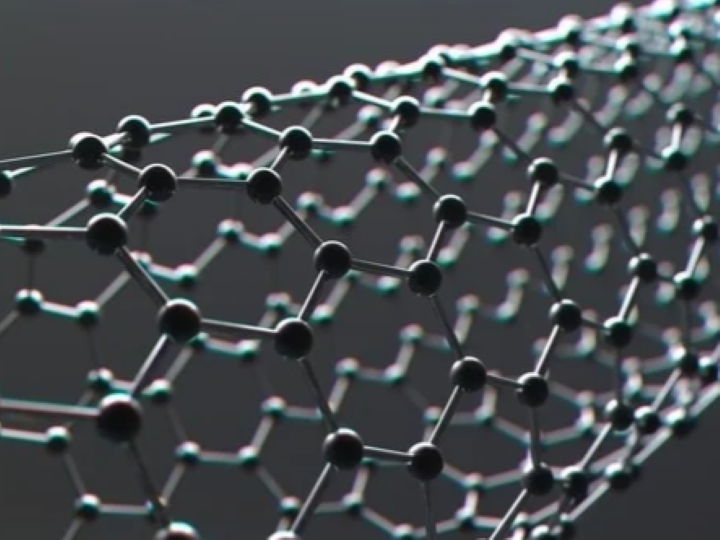
Graphene consists of a single layer of carbon atoms arranged in a hexagonal lattice. It is exceptionally strong, lightweight, and conductive. It conducts electricity more efficiently than copper, transfers heat more effectively than any known material, and is nearly transparent while remaining impermeable to gases.
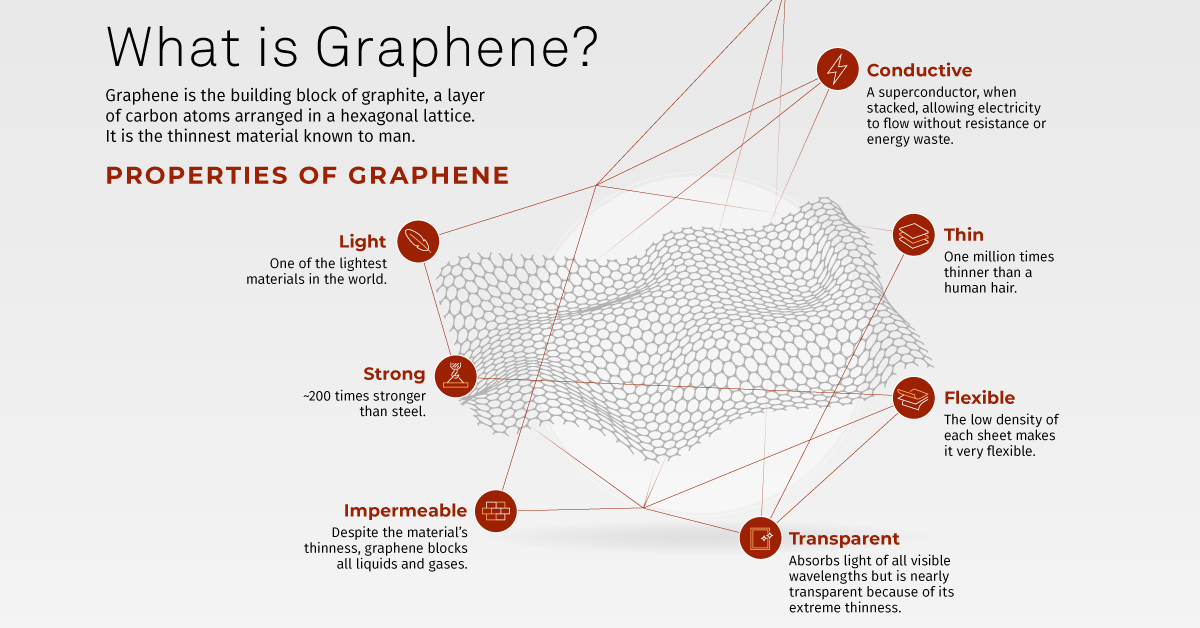
These properties have attracted interest across multiple industries.
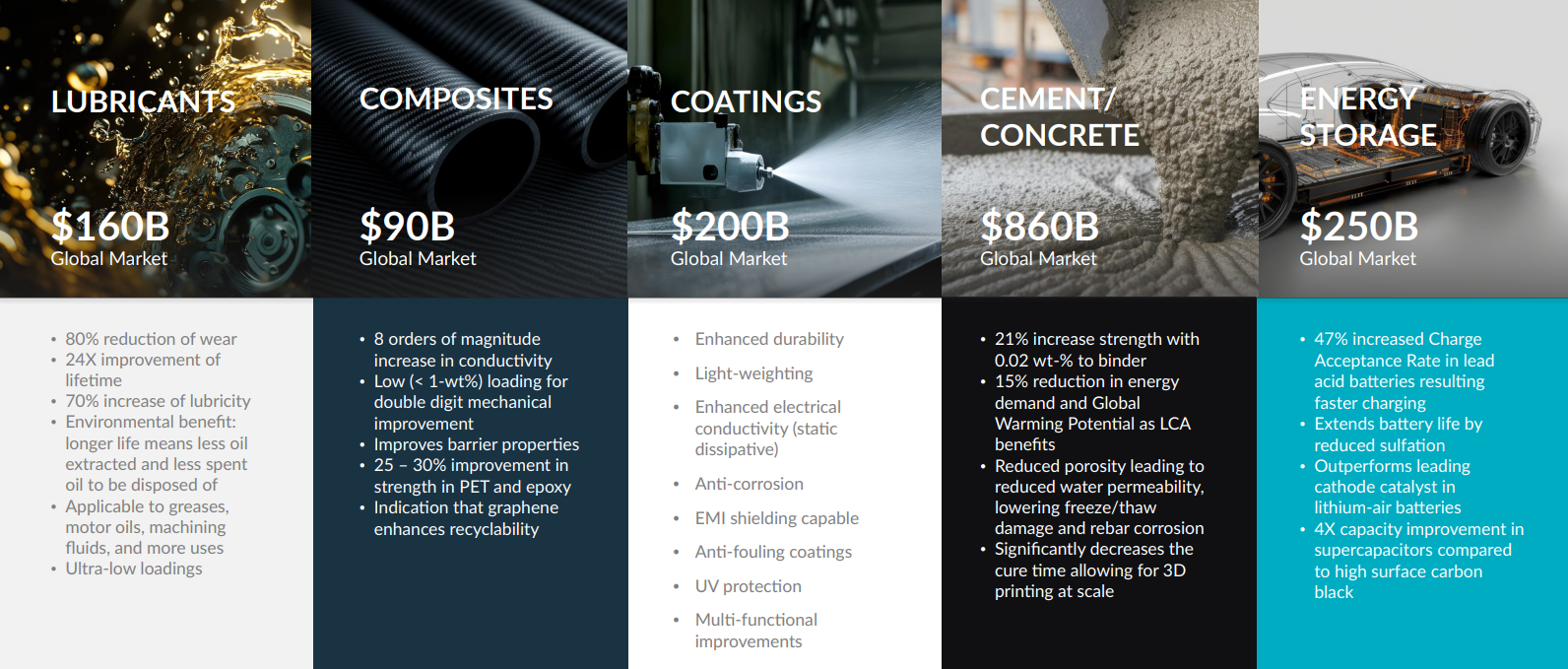
Graphene is being developed for use in next-generation batteries, supercapacitors, filtration systems, coatings, semiconductors, and composite materials. Aerospace manufacturers are exploring graphene-enhanced composites for lighter and stronger structures. Electronics companies are researching its use in faster and more efficient components. Energy storage firms are investigating graphene-based electrodes to improve battery performance and charging speeds.
The commercial market is beginning to reflect that interest.

The global graphene market was valued at approximately $1.5 to $2 billion in 2023, and most industry forecasts project it to reach between $10 billion and $15 billion by the early 2030s, implying a compound annual growth rate of 25–35 percent. Some more aggressive projections—particularly those tied to energy storage adoption—place the long-term market opportunity significantly higher.
Production volumes remain relatively small compared to bulk materials, but pricing reflects its position as a high-performance input. Depending on quality and application, graphene can sell anywhere from $50,000 to over $200,000 per metric ton for specialized forms, with even higher pricing for high-purity or application-specific variants.
Even at lower-grade industrial scales, engineered carbon materials derived from graphene precursors command significantly higher value than conventional carbon outputs such as biochar or carbon black.
Public markets are beginning to reflect this shift. Argo Graphene Solutions Corp., listed on the Canadian Securities Exchange under CSE: ARGO, is one example of a company building commercial applications around graphene-enhanced materials in construction and infrastructure. The company is developing graphene-infused concrete, asphalt, and agricultural solutions designed to improve strength, durability, and sustainability.
According to company disclosures, recent testing has shown up to 25 percent increases in concrete compressive strength, alongside measurable reductions in embodied carbon through lower cement requirements.
HydroGraph Clean Power Inc., listed on the Canadian Securities Exchange under CSE: HG, offers another example of how graphene is moving toward broader commercial adoption.
Unlike companies focused primarily on end-use applications, HydroGraph is centered on the scalable production of high-purity graphene. The company currently operates with a production capacity of 10 metric tons per year, with additional modular units capable of being deployed within two to three months. The company states that new production units require approximately US$10 million to US$15 million in capital expenditure and are designed to support US$100 million or more in potential sales capacity.
Its proprietary detonation synthesis process is positioned as a lower-energy and lower-waste production method compared with several conventional graphene manufacturing pathways. In its published comparison, HydroGraph cites an energy demand of approximately 2.7 megajoules per kilogram of graphene produced, significantly below other listed production methods such as chemical exfoliation and plasma-based systems.
The relevance to waste infrastructure lies in the economics of carbon upgrading. While HydroGraph’s current process is not directly waste-derived, it illustrates the value potential of moving carbon-rich materials upstream into the advanced materials supply chain. It reinforces the broader thesis that carbon outputs such as biochar may ultimately serve as precursors to significantly higher-value engineered materials markets.
What makes this relevant in the context of waste infrastructure is the downstream economics. It demonstrates that carbon-rich outputs such as biochar are not limited to agricultural or carbon-credit markets. They may also sit upstream of higher-value advanced materials applications already being commercialized in public markets.
Biochar is not yet a primary industrial source of graphene. But it is increasingly recognized in research as a viable precursor material, particularly because it provides a stable, carbon-rich base that can be further processed through chemical or thermal refinement.
The pathway is conceptually straightforward: waste is converted into biochar through thermolysis, and that carbon-rich material can then be processed into higher-value forms such as graphene or other engineered carbons.
The significance lies less in present scale than in the alternative pathway it introduces.
Traditional graphene production relies on mined graphite or energy-intensive synthetic processes. A waste-derived pathway begins with a feedstock that already exists in abundance—and in many cases, carries a negative cost due to disposal fees.
This shifts the economics.
It places waste-derived carbon at the beginning of a value chain that extends far beyond disposal or energy recovery—into advanced materials manufacturing with significantly higher margins and global demand.
In that context, biochar is not just an end product. It is an intermediate.
And potentially, a gateway into one of the fastest-growing segments of the advanced materials economy.
Methanol: Fueling the Next Energy Shift
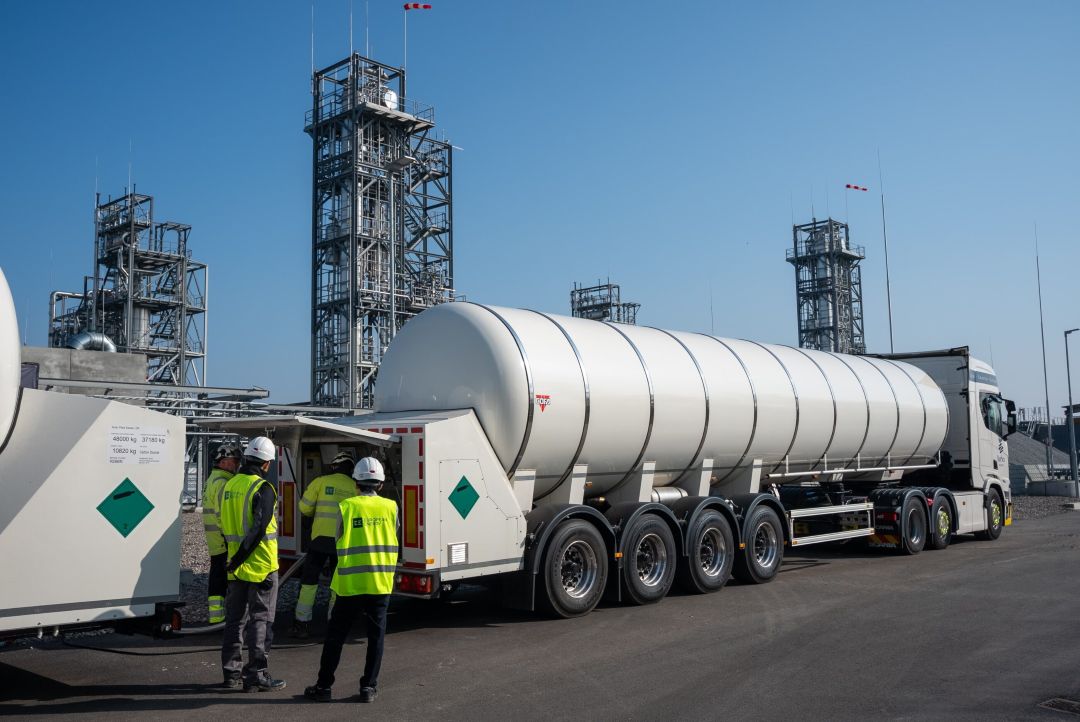
Another increasingly important product derived from waste conversion technologies is renewable methanol.
Methanol is already one of the most widely used industrial chemicals in the world. Nearly 100 million metric tons are produced annually, primarily from natural gas and coal. It serves as a building block for plastics, solvents, adhesives, formaldehyde, and numerous other chemical products.
A new source of demand is emerging from an unexpected sector: global shipping.
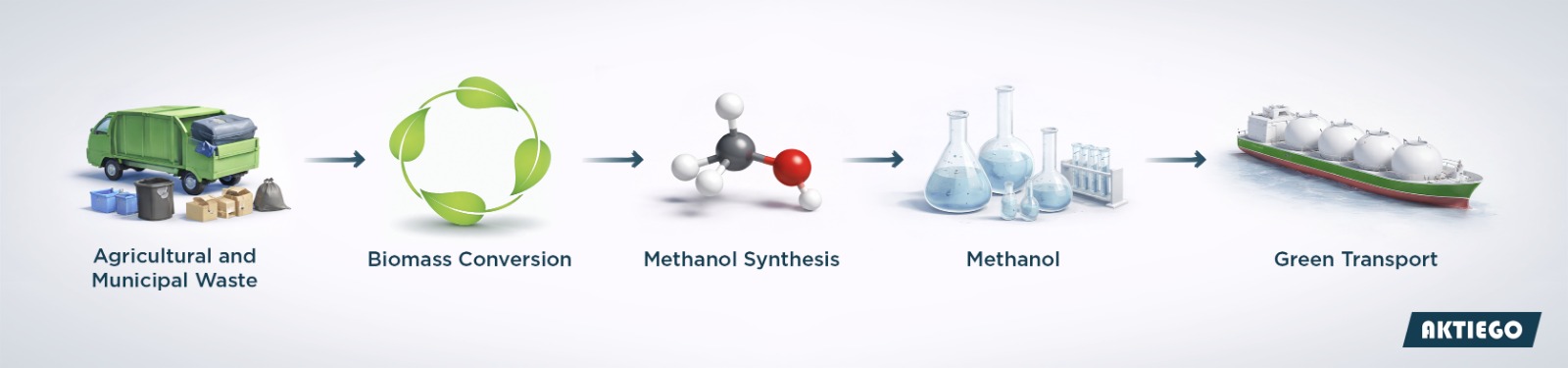
As maritime regulators tighten emissions standards, major shipping companies are turning to methanol as a transition fuel. Compared with alternatives such as hydrogen or ammonia, methanol is easier to store, easier to transport, and compatible with existing fuel infrastructure. Several large container shipping firms have already begun deploying methanol-powered vessels.
By 2030, demand for renewable methanol as marine fuel alone could reach five to six million metric tons per year, according to industry projections. Yet global production of low-carbon methanol remains far below that level.
This supply gap has created growing interest in alternative production pathways.
One of the most promising begins with waste.
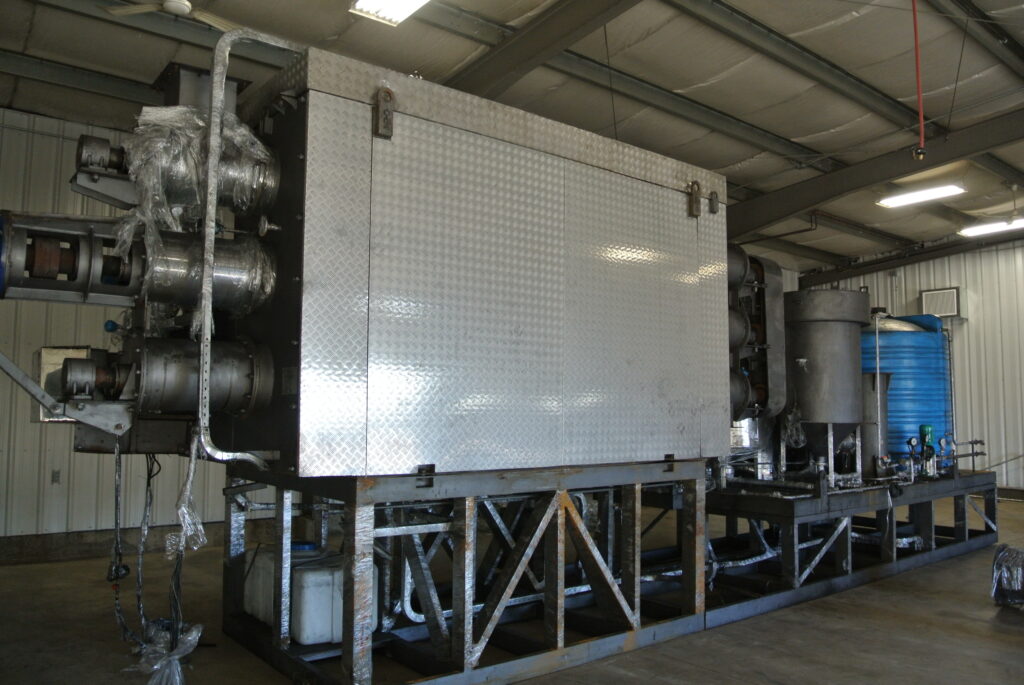
Thermolysis technologies such as the Advanced Thermolysis System used by Emergent Waste Solutions convert waste into syngas, a mixture of hydrogen and carbon monoxide. That syngas can then be processed through well-established industrial synthesis methods to produce methanol.
The chemistry is not experimental. The methanol industry has relied on syngas as its feedstock for nearly a century.
What is new is the source.
| Region | Current Production (Mt) | Projected 2030 | Share of Global Supply |
|---|---|---|---|
| Global | 98 | 120–130 | 100% |
| China | 60 | 70–75 | ~61% |
| Asia-Pacific (ex-China) | 18 | 22–25 | ~18% |
| North America + Europe | 14 | 18–20 | ~14% |
The global methanol market itself is substantial. Valued at roughly $38–40 billion in 2024, it is projected to grow to more than $60 billion within the next decade, driven by expanding chemical demand and new energy applications.
For waste conversion companies, methanol represents something larger than another fuel product. It is a gateway into global energy markets.
Where biochar locks carbon into the soil, methanol moves it into the fuel systems that power ships, industries, and potentially future electricity generation.
Together, these outputs demonstrate how waste conversion technologies are expanding beyond disposal into fuel and industrial commodity markets.
Emerging Waste Conversion Technologies
Several technologies are now competing to transform municipal waste into useful products. While they differ in approach, all share a common principle: instead of burning waste, they break it down chemically or biologically to recover valuable materials.
| Technology | Process | Main Outputs | Carbon Impact | Waste Type |
|---|---|---|---|---|
| Landfill | Biological decomposition | Methane | High emissions | Mixed waste |
| Incineration | Combustion | Energy + ash | High emissions | Mixed waste |
| Anaerobic Digestion | Microbial breakdown | Biogas | Moderate reduction | Organic waste |
| Gasification | High heat / low oxygen | Syngas | Lower emissions | Refuse-derived fuel |
| Pyrolysis | Heat without oxygen | Bio-oil, char | Low emissions | Plastics, biomass |
| Thermolysis | Multi-stage thermal decomposition | Biochar, oil, syngas | Carbon negative potential | Mixed organic waste |
Anaerobic Digestion
Anaerobic digestion relies on microorganisms to break down organic waste in oxygen-free environments. The process produces biogas, primarily methane and carbon dioxide, which can be cleaned and injected into natural gas pipelines as renewable natural gas.
The remaining digestate can be used as fertilizer.
Publicly traded companies such as Anaergia Inc. have brought anaerobic digestion to commercial scale across North America and Europe, converting municipal and agricultural waste into renewable natural gas and fertilizer products.
Gasification
Gasification heats waste to very high temperatures—typically above 700°C—in a low-oxygen environment. Rather than combusting, the material reacts chemically to produce syngas, a mixture of hydrogen and carbon monoxide that can be used for electricity generation or converted into fuels such as methanol.
This technology is particularly suited to refuse-derived fuels and industrial-scale energy production.
Pyrolysis
Pyrolysis also uses heat without oxygen, but typically focuses on specific and relatively uniform feedstocks, such as biomass, plastics, or tires.
The process thermally decomposes material into bio-oil, syngas, and carbon-rich solids, making it valuable for targeted waste streams and specialized carbon products.
In Canada, CHAR Technologies Ltd. has advanced commercial pyrolysis applications focused on renewable natural gas and biocarbon products, illustrating the growing market for carbon-rich waste-derived outputs.
Advanced Materials Recovery
Not all waste conversion relies on thermal processing.
Some systems focus on mechanical or chemical recovery of reusable materials from specific waste streams. Northstar Clean Technologies Inc., for example, has developed systems to recover liquid asphalt, aggregate, and fiber from asphalt shingles.
Each of these approaches solves part of the problem.
But the most promising systems may be those capable of integrating several of these value pathways within a single process.
Thermolysis: A Leading Multi-Output Solution
Thermolysis is increasingly emerging as one of the most compelling solutions in the waste-to-value sector because it combines the strengths of several other technologies while overcoming some of their limitations.
Like pyrolysis and gasification, thermolysis uses heat to break down waste at the molecular level. But its advantage lies in multi-stage controlled processing, feedstock flexibility, and the ability to generate multiple commercially viable outputs from heterogeneous waste streams.
In a sealed reactor where oxygen is fully excluded, heat is applied in sequential temperature stages.
At lower temperatures, moisture and lighter volatile compounds are released. At intermediate temperatures, larger hydrocarbon chains crack into shorter molecules, generating syngas and liquid condensates. At higher temperatures, the remaining carbon matrix stabilizes into biochar or advanced carbon intermediates.

The result is a system capable of producing three primary outputs simultaneously:
- Syngas, rich in hydrogen and carbon monoxide
- Bio-oil, which can be refined into fuels such as renewable diesel or methanol feedstock
- Biochar, a stable carbon-rich solid that can be sold into agriculture, carbon markets, or advanced materials pathways
This multi-output capability is what gives thermolysis a potential structural advantage.
Where anaerobic digestion primarily yields gas, and pyrolysis is often optimized for narrower feedstocks, thermolysis can process heterogeneous waste streams while generating multiple revenue streams at once.
That flexibility matters in real-world waste systems, where feedstock composition varies significantly by geography, season, and source.
Advanced systems such as the one developed by Emergent Waste Solutions Inc. can also recycle part of the syngas output back into heating the reactor, reducing external energy requirements and improving overall process efficiency.
In practical terms, thermolysis does not simply solve for disposal. It solves for resource recovery, carbon management, and marketable outputs simultaneously. That convergence may make it one of the strongest candidates for scalable next-generation waste infrastructure.
From Waste to Revenue Streams
One distinguishing feature of thermolysis systems is their ability to generate multiple products from a single feedstock.
Biochar
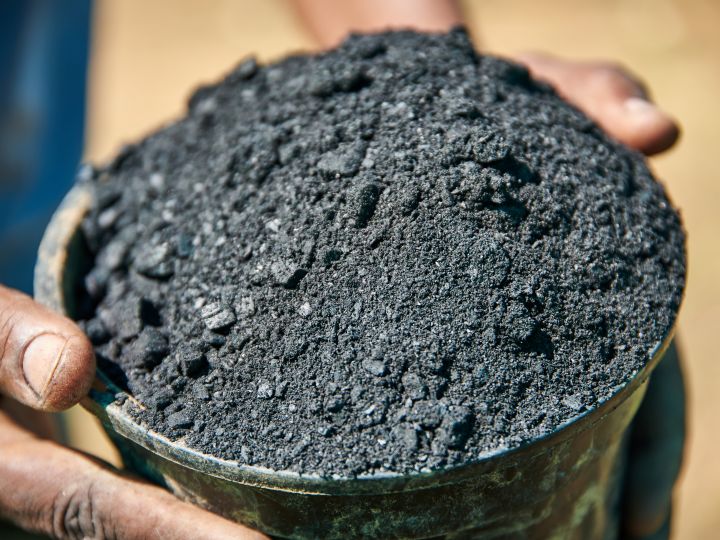
Biochar remains the most visible output. Because the carbon is stored in solid form rather than living biomass, biochar credits are often considered among the most permanent forms of carbon removal.
Renewable Oil
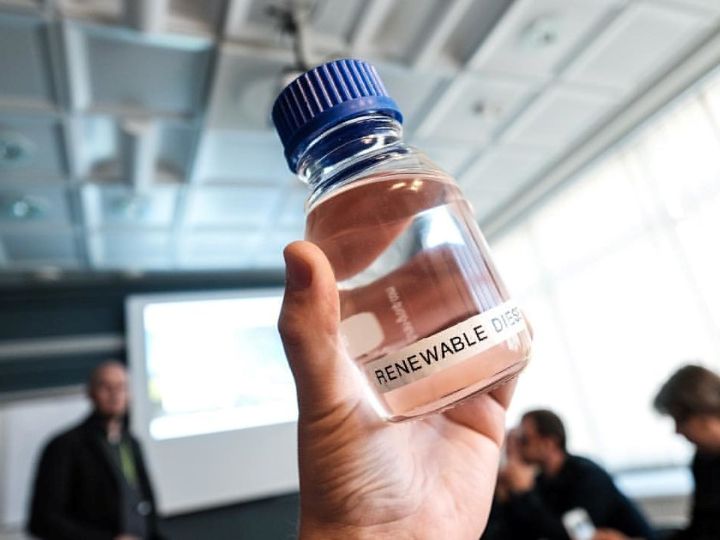
The liquid fraction produced during thermolysis can be refined into renewable diesel or industrial fuels, depending on the feedstock. These fuels can often be used within existing infrastructure.
Syngas / Renewable Gas
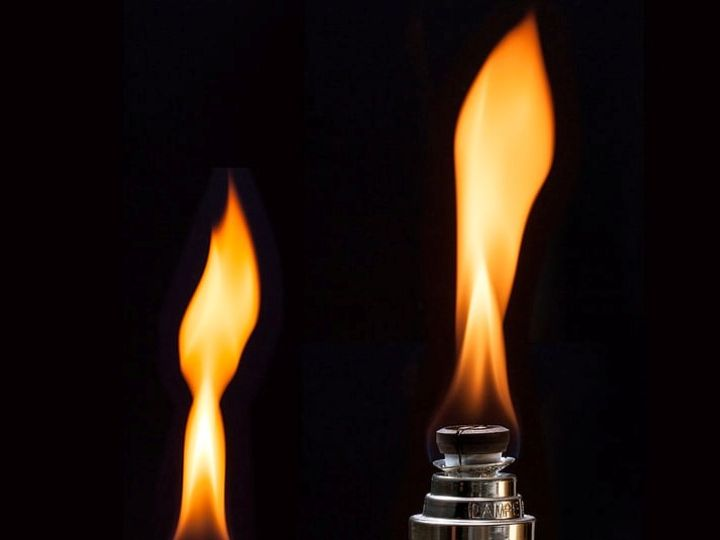
Syngas generated during the process can be used directly for energy generation or converted into renewable natural gas or methanol.
Carbon Materials
The carbon-rich solids produced by thermolysis can also be upgraded into materials such as activated carbon or carbon black, which are widely used in water filtration, air purification, and manufacturing.

Carbon Credits
Because biochar sequesters carbon for extended periods, facilities producing it can generate carbon removal credits that can be sold in voluntary carbon markets.
Unlike avoidance-based credits, which depend on emissions not occurring, biochar credits represent measurable carbon that has already been removed from the atmospheric cycle and stabilized in solid form. Depending on production conditions and application, that carbon can remain sequestered for hundreds to thousands of years, making it one of the more durable forms of carbon removal currently available.
This permanence has attracted growing interest from institutional buyers. Corporations with net-zero commitments—including technology firms, financial institutions, and industrial companies—are increasingly prioritizing high-quality removal credits over lower-cost offsets. Prices vary by project and certification standard, but biochar carbon credits have recently traded in the range of $100 to $200 per metric ton of CO₂, often at a premium to many other credit types.
Proof of Concept in British Columbia

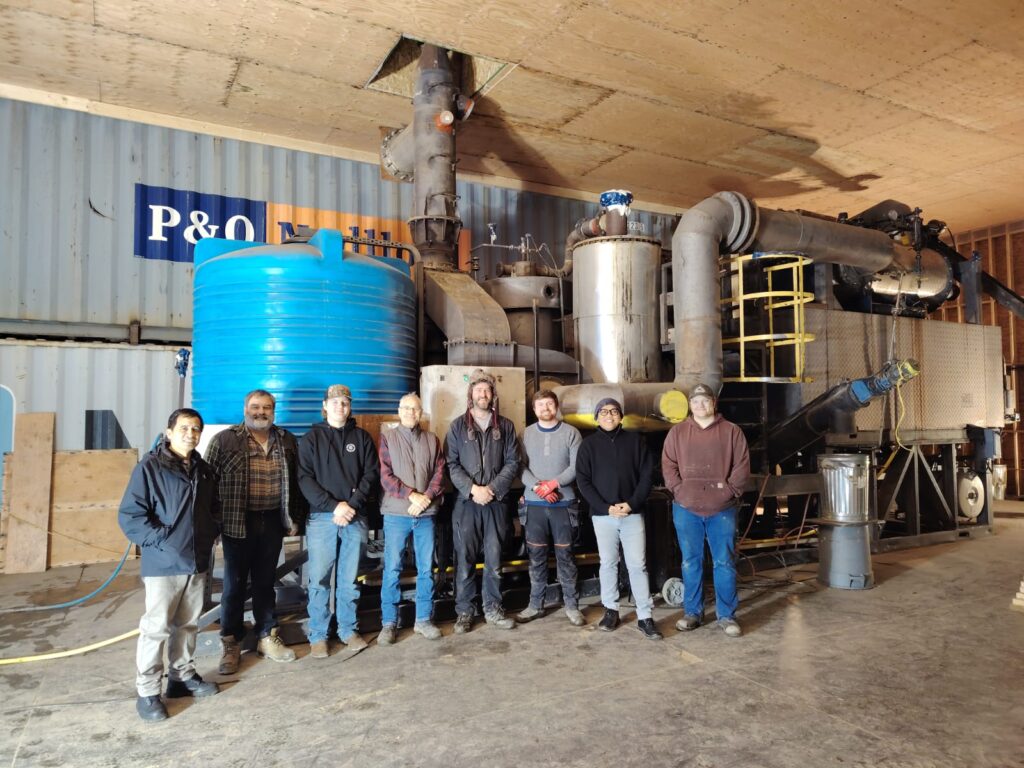
A working example of this model is being advanced near the Fraser Valley, British Columbia, where Emergent Waste Solutions Inc. is developing its Thermolysis-based BC-1 Advanced Conversion Facility.
The project is designed to process biomass residues—such as wood waste from forestry operations—and convert them into biochar and other value-added products.
Development efforts to date have focused on demonstrating the core thermolysis process using real feedstocks, with ongoing work to support future commercial-scale deployment and market integration.
One early customer was Terra Flora Organics, a producer of compost and living soils in the Fraser Valley. After evaluating the product at the facility, the company signed a commercial purchase agreement for thousands of liters of biochar.

The plant also received certification from Puro.earth, an independent verification body for carbon removal credits. Under the Puro Standard, the facility is certified to remove approximately 6,000 metric tons of carbon dioxide annually through biochar production.
Modular Advanced Thermolysis System (ATS)
BC-1 Advanced Conversion Facility
ATS 2000 reactors and furnace
Certification allows the company to sell carbon removal credits to organizations seeking verified methods of offsetting emissions. Large corporations with net-zero commitments—including Microsoft, Google, and JPMorgan—have become active buyers in this market.
Emergent Waste Solutions has identified potential projects in regions including Brazil, Ghana, the Philippines, and Hong Kong, where rapid urbanization has strained existing waste management systems.
The company claims to be engaging in advanced negotiations with several major municipalities in Asia looking to implement its ATS technology as an integrated waste conversion solution. It also claims to be in discussions with a state-owned energy firm in Southeast Asia regarding a long-term off take of all future potential methanol production.
The Future of Waste Infrastructure
The waste problem is no longer only a matter of disposal.
It is increasingly a question of resource recovery, carbon management, and industrial supply chains.
Landfills and incinerators were built for a world that treated waste as an endpoint. The technologies now emerging—anaerobic digestion, gasification, pyrolysis, thermolysis, and advanced carbon processing—reflect a different philosophy.
What is changing is not only the technology, but the economics of waste infrastructure itself. Systems once designed purely for disposal are increasingly being evaluated on their ability to recover materials, generate revenue, and reduce lifecycle emissions.
Public companies across North America are already building around these pathways, from Anaergia Inc. in anaerobic digestion to CHAR Technologies in pyrolysis and Argo Graphene Solutions in downstream carbon applications.
Within that landscape, thermolysis may prove to be one of the most compelling solutions.
Its advantage lies in convergence.
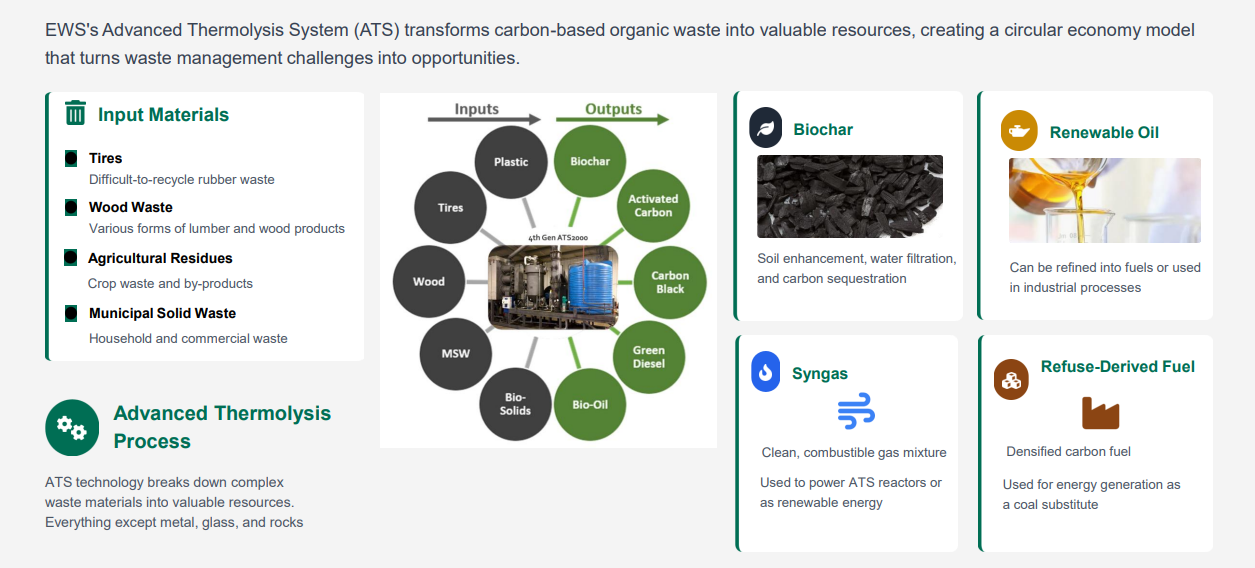
Unlike systems designed around a single output, thermolysis has the ability to process heterogeneous waste streams and generate multiple value streams simultaneously—biochar, renewable oil, syngas, methanol, carbon credits, and potentially advanced carbon materials.
That flexibility matters.
Waste streams differ by region, by season, and by industrial source. A technology capable of adapting to mixed feedstocks while producing several commercially viable outputs may hold a structural advantage over more specialized systems.
This is where Emergent Waste Solutions’ Advanced Thermolysis System begins to stand out.
By combining modular deployment, relatively low external energy requirements, and multiple downstream products, EWS’s system is positioned at the intersection of waste management, energy transition, carbon removal, and advanced materials.
Its ability to convert waste not only into biochar and carbon credits, but also into methanol-linked syngas and high-value carbon intermediates, gives it exposure to several rapidly expanding markets at once.
That does not make thermolysis the definitive answer.
Scale, capital access, regulatory approvals, and market adoption will ultimately determine which technologies lead the next phase of waste infrastructure.
But among the emerging solutions, thermolysis offers one of the clearest visions of what a circular waste economy could look like.
And if that model proves scalable, companies like EWS may not simply participate in the next generation of waste infrastructure. They may help shape how cities, industries, and governments rethink how modern infrastructure manages one of its fastest-growing challenges.
References:
World Bank, What a Waste 3.0 — global waste generation and 2050 projections
World Bank, Ten Charts that Explain the Global Waste Crisis — emissions and waste growth
Zero Waste Europe, The Impact of Waste-to-Energy Incineration on Climate — CO₂ per ton emissions
European Commission, Waste Management Options and Climate Change — pollution and climate effects
Straits Research, Waste-to-Energy Market Size and Trends — market growth and valuation
Puro.earth Launches the Pre-CORC Framework to Unlock Carbon Removal Scaling – EWS Puro.Earth
Kyrgyz eco-activist’s ‘trashion’ tackles a burning problem – 0.7 to 1.2 metric tons of CO₂ per ton of waste burned
Ghazipur landfill: The 70-acre ‘garbage mountain of Delhi’ – where nearby residents are being ‘slowly poisoned’
Graphene: The Wonder Material of the Future – What is Graphene?