
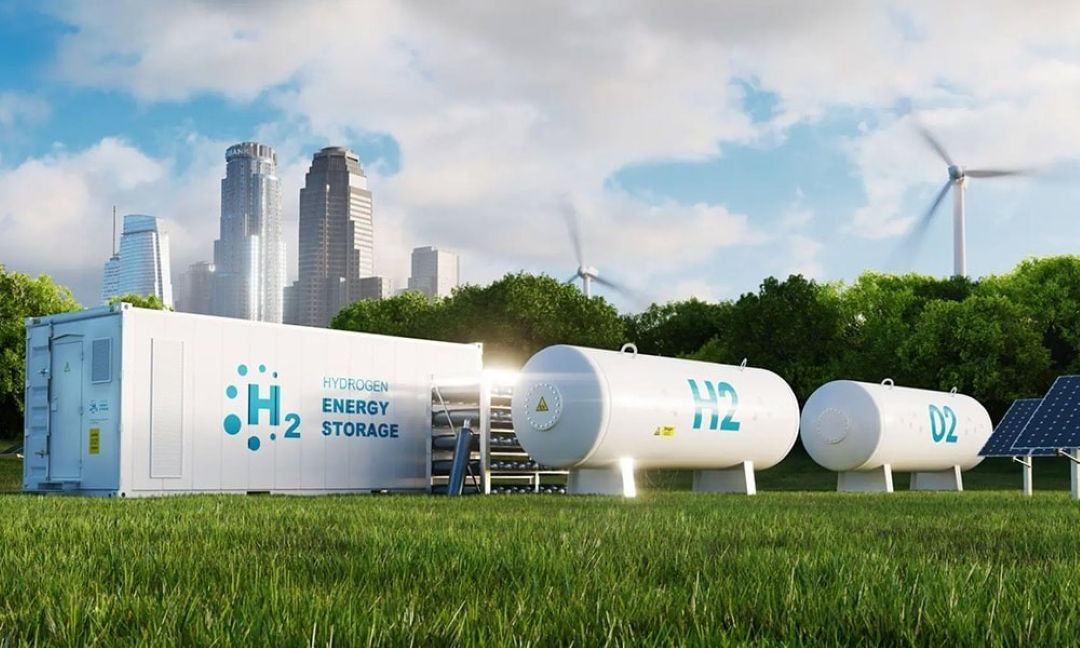
The world is running out of power. Not eventually. Now.
The electrical infrastructure that has powered homes, factories, and cities for the past century was built for a different world. It was designed for predictable demand growth, centralized generation, and slow expansion cycles measured in decades.
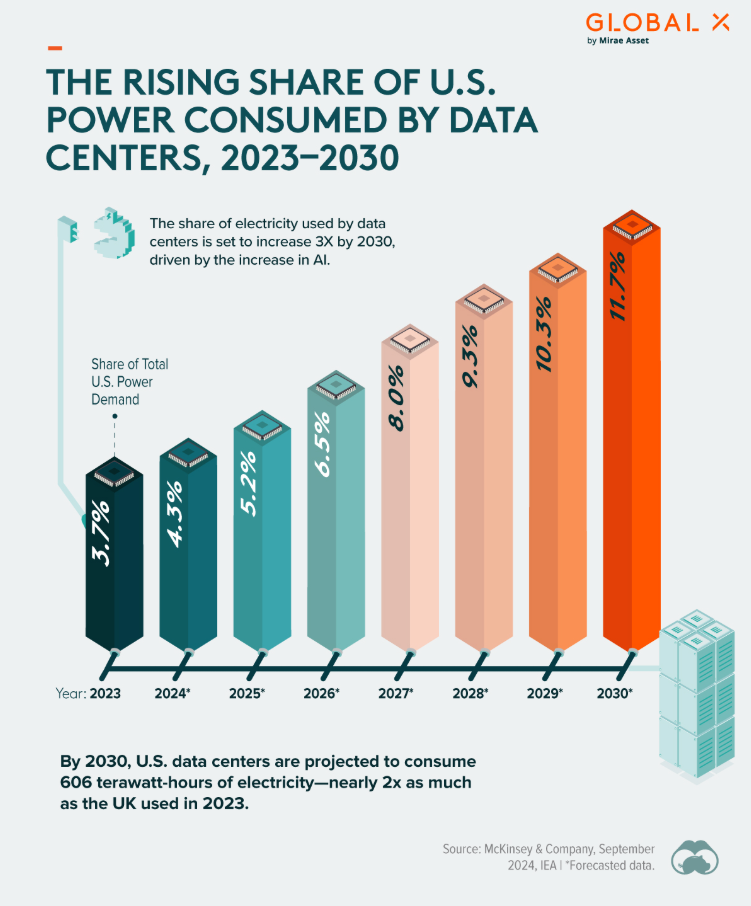
The world arriving now does not operate on that timeline. Artificial intelligence, high-performance computing, electrified industry, and digital infrastructure are driving electricity demand faster than many grids can absorb. The buildings that house this new infrastructure can be constructed quickly. The power required to run them often cannot.
Global electricity consumption now exceeds 29,000 terawatt-hours per year, representing an energy market worth well over $2 trillion annually, according to the International Energy Agency.
The companies that understand what comes next are already worth billions.
Some of the largest technology companies in the world are confronting this reality directly. Microsoft (NASDAQ:MSFT), Google (NASDAQ:GOOGL), Amazon (NASDAQ:AMZN), and Meta (NASDAQ:META) have committed hundreds of billions of dollars to new data center infrastructure over the coming years. Those facilities are being built now.
Each one will require enormous amounts of electricity from the moment it becomes operational. Every conversation about artificial intelligence eventually arrives at the same constraint. Power.
AI data centers already consume roughly one percent of global electricity, roughly 460 terawatt-hours annually. By 2030 that figure is expected to more than double to around 945 terawatt-hours, according to the International Energy Agency. That increase alone is comparable to adding the entire electricity consumption of Japan to global demand in less than a decade.
The energy industry has already begun responding.

Bloom Energy (NYSE:BE) (FSE:BEC), a $32 billion company with 1.5 gigawatts of fuel cells deployed globally, signed a $5 billion partnership with Brookfield Asset Management specifically to power AI data centers.

Plug Power (NASDAQ:PLUG)(FSE:PLUN), which spent twenty-eight years building the largest hydrogen supply network in North America, posted its first positive gross margin in Q4 2025 as data center demand accelerated.

Ballard Power Systems (NASDAQ:BLDP) (TSX:BLDP) (FSE:PO0) has shipped fuel cell technology across multiple transportation and stationary power markets in nearly twenty countries.

FuelCell Energy (NASDAQ:FCEL) (FSE:FEY) is increasingly directing its development pipeline toward distributed power solutions for data centers and industrial users.

AMP Energy (Private) is developing gigawatt-scale renewable and hydrogen infrastructure projects designed to power the next generation of digital and industrial facilities.
Artificial intelligence is one of the main drivers behind that shift. A single AI query can consume up to ten times the electricity of a traditional web search, according to several industry estimates. Every new data center being built today is larger and more energy intensive than the one built before it.
The capital required to build those facilities is already committed. The servers will be installed. The workloads will run. The only question is whether the electricity will be there when they turn them on.
Why the Grid Cannot Catch Up
Expanding the centralized power grid is not simple. It never has been.
Building a new transmission line can take ten to fifteen years from planning approval to operation. Major power generation facilities can take seven to ten years to permit, finance, construct, and connect to the grid. Even projects that are technically ready to proceed often sit in regulatory queues for years.
In the United States alone, the interconnection queue now holds roughly 2,600 gigawatts of projects waiting for approval. The country currently has roughly 1,200 gigawatts of installed generating capacity, meaning the projects waiting for approval already exceed the entire existing power system.
Clearing that backlog at current speeds would take decades.
Meanwhile, the infrastructure driving electricity demand is being built on much shorter timelines. Data centers can be constructed in two to three years. AI hardware refresh cycles happen even faster. The result is a growing mismatch between when power is needed and when the grid can provide it.
This is not a theoretical problem. It is already visible in the markets where digital infrastructure is growing fastest.
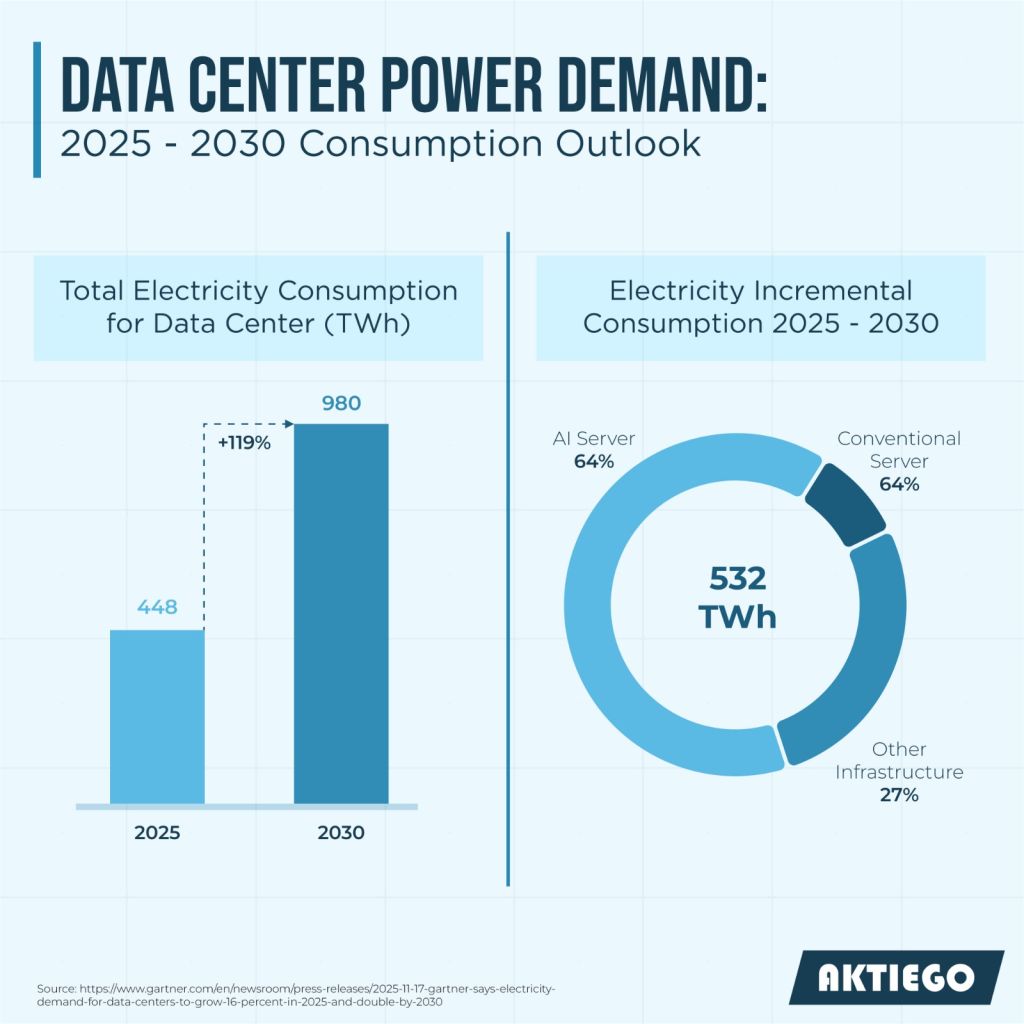
In Northern Virginia, the largest concentration of data centers in the world, utilities have warned developers that new connections cannot always be guaranteed on the timelines they require. Similar warnings have appeared in Texas, the United Kingdom, and parts of Europe where grid infrastructure is already under pressure.
The global data center market is already valued at more than $300 billion, with industry forecasts projecting total investment to exceed $500 billion by the end of the decade.
Renewable energy helps but does not fully solve the problem. Solar and wind generation are intermittent by nature. When the sun is not shining and the wind is not blowing, output drops to zero. Large-scale battery storage can smooth that intermittency but adds cost and deployment complexity.
Facilities such as data centers, military installations, and industrial operations require continuous baseload power every hour of every day.
They cannot pause operations because the weather changed. The gap between electricity demand and grid capacity is therefore not just temporary. It is structural. Structural gaps create structural opportunities.
The Rise of Decentralized Power
One response to this challenge is already emerging. Instead of waiting for the grid to expand, some operators are building power infrastructure directly at the site where electricity is needed.
Decentralized energy systems generate power on location through modular generation units, microgrids, and containerized power systems. Rather than waiting years for transmission lines or substation upgrades, a facility can deploy its own power source within months.
The global microgrid market was valued at approximately $35 billion in 2022 and is projected to grow to around $95 billion by 2030 as distributed energy systems gain adoption.
Power plants delivered by truck instead of built over a decade.
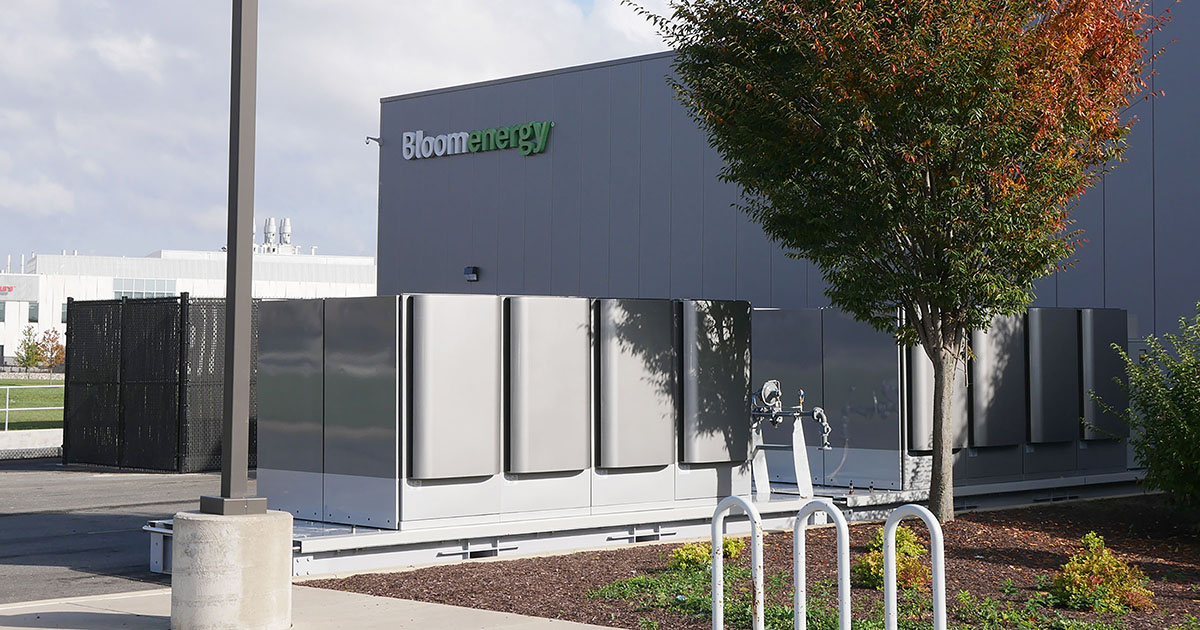
Major energy investors have already begun moving in this direction. Brookfield Asset Management committed billions of dollars to on-site hydrogen power for data centers in partnership with Bloom Energy. Large utilities have also begun investing in distributed generation systems because they can be deployed more quickly than traditional grid expansion projects.
The shift does not replace the centralized grid. But it supplements it.
Electricity infrastructure is beginning to resemble modern computing infrastructure. Large centralized systems still exist, but distributed platforms increasingly deliver capacity where it is needed most urgently. In energy, that distributed layer is being built through modular and decentralized power systems.
Hydrogen: The Missing Link in Clean Energy
Decentralized power infrastructure requires a fuel that is flexible, transportable, and capable of delivering continuous electricity. Hydrogen has emerged as one of the most promising candidates.
The global hydrogen market already exceeds $200 billion annually, with current demand estimated at around 95 million tons per year. Several energy transition scenarios project the market could expand into a $600 billion to $1 trillion industry by mid-century.
| Hydrogen Price (per kg) | Electricity Produced per kg | Est. Electricity Cost |
|---|---|---|
| $3 / kg | ~18 kWh | ~$0.15 – $0.19 / kWh |
| $5 / kg | ~18 kWh | ~$0.25 – $0.31 / kWh |
| $8 / kg | ~18 kWh | ~$0.40 – $0.50 / kWh |
| $12 / kg | ~18 kWh | ~$0.60 – $0.75 / kWh |
Hydrogen is not a primary energy source but an energy carrier. Electricity can be used to split water into hydrogen and oxygen through electrolysis. The hydrogen can then be stored and later converted back into electricity through a fuel cell or engine.
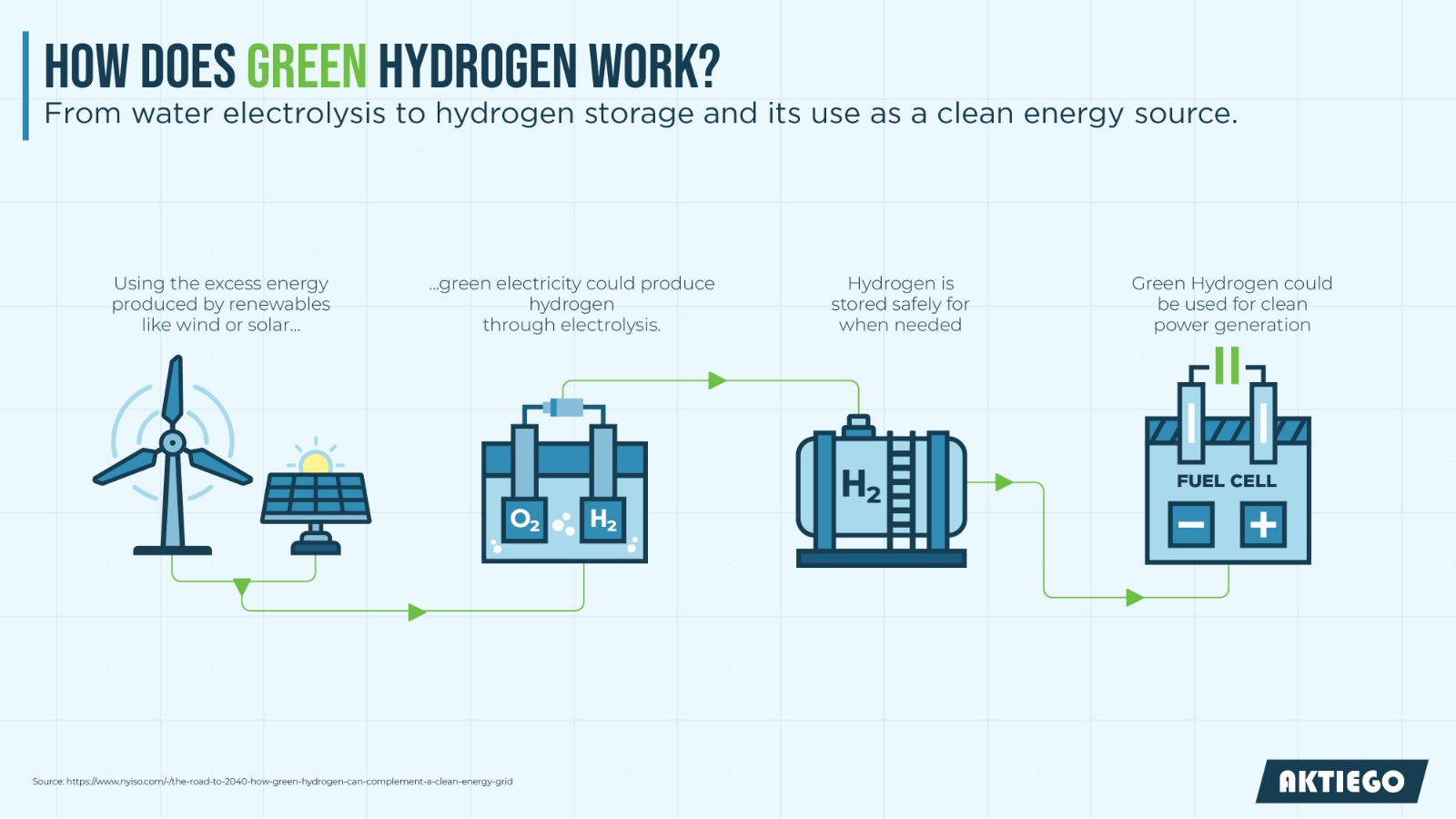
The only emission from that process is water vapor.
Hydrogen therefore provides something renewable electricity alone cannot: long-duration energy storage. Solar and wind power can generate electricity when conditions allow. Hydrogen allows that energy to be stored and dispatched whenever it is needed.
Compared with batteries, hydrogen can store significantly larger quantities of energy for longer periods of time. Compared with diesel fuel, it produces no carbon emissions when used in fuel cells. This combination makes hydrogen particularly attractive for facilities that require constant, reliable power in locations where grid infrastructure is limited or unavailable.
Hydrogen Power Is Already Commercial
Hydrogen power is sometimes described as a future technology. In reality, it has already been deployed at commercial scale.
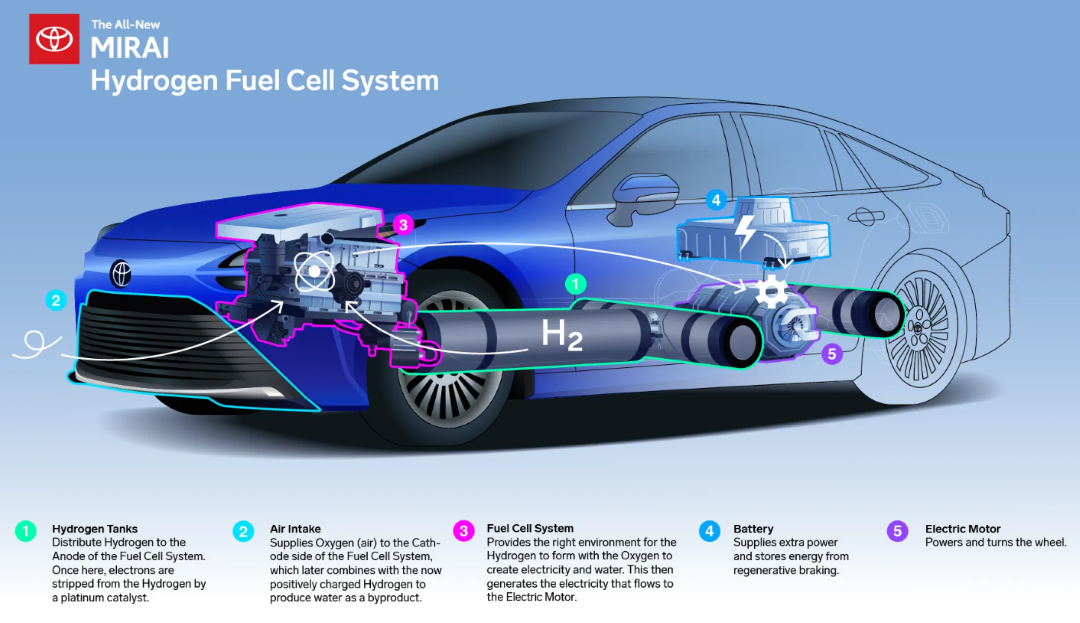
Hydrogen fuel cells power passenger vehicles such as Toyota’s Mirai. Commercial hydrogen bus fleets operate across parts of Europe and Asia. Industrial equipment and warehouse logistics systems have used hydrogen fuel cells for years.
Stationary hydrogen power systems have also been deployed in several countries. South Korea has installed hundreds of megawatts of stationary hydrogen fuel cell capacity providing baseload electricity to urban districts. Japan has deployed hundreds of thousands of small residential hydrogen fuel cell systems through its Ene-Farm program.
The global fuel cell market is estimated at approximately $8–10 billion today and is projected to grow to more than $40 billion over the next decade.
Large energy companies have spent decades commercializing the underlying technology. Bloom Energy has deployed more than a gigawatt of fuel cell capacity globally, including hundreds of megawatts serving data centers. Plug Power has built the largest hydrogen supply network in North America supporting industrial logistics operations.
The technology is proven. The remaining question is how it will be deployed at scale across the broader energy system.
The Plug Power Blueprint
A closer historical parallel exists within the hydrogen industry itself.
Plug Power was founded in 1997 in Latham, New York. The company did not invent the proton exchange membrane fuel cell technology that underpins its systems. That technology had been developed over decades of research.
What Plug Power did was identify a specific market where hydrogen offered a clear advantage over the incumbent solution. Warehouses.
Large distribution facilities rely heavily on electric forklifts. Traditionally those forklifts ran on lead-acid batteries that required long charging times and frequent replacement. In operations running around the clock, battery downtime translated directly into lost productivity.
Plug Power’s hydrogen fuel cells could be refueled in minutes. The advantage was immediate and measurable.
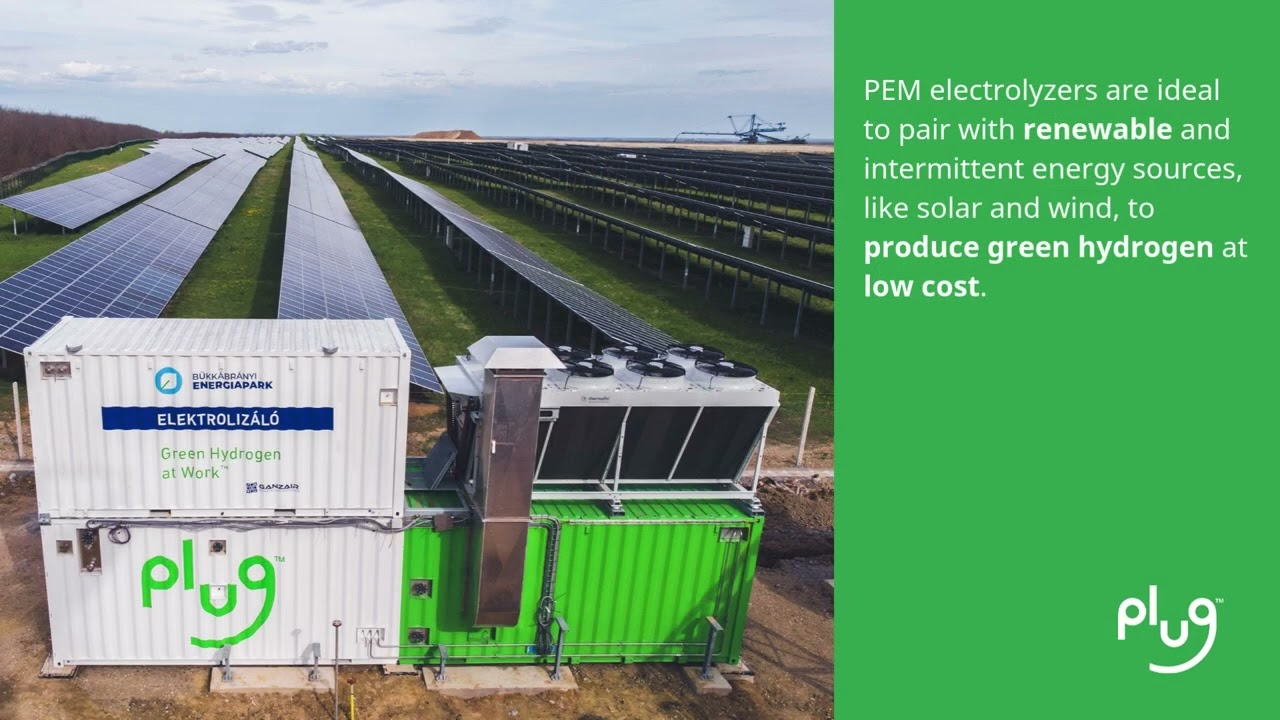
Plug Power went public in 1999 during the early enthusiasm for hydrogen technology. The stock surged before collapsing when the broader technology bubble burst. The company spent years operating at a loss while building the infrastructure required to support hydrogen deployment.
It took nearly three decades before Plug Power posted its first quarter of positive gross margin in 2025.
Today the company operates the largest hydrogen supply network in North America and serves major customers including Amazon, Walmart, and Home Depot.
The lesson from Plug Power’s history is not simply that hydrogen technology works. It is that infrastructure markets often take years to mature. Companies that identify the right application early can spend long periods building before the market fully arrives.
Plug Power proved that hydrogen infrastructure could become commercially valuable once adoption reached sufficient scale. The next wave of companies in the sector are building on that foundation.
The Diesel Problem
Diesel generators have long been the default solution for off-grid electricity. They are reliable, widely available, and relatively simple to deploy.
But diesel generation carries significant disadvantages. Burning diesel fuel produces large quantities of carbon dioxide along with nitrogen oxides, sulfur compounds, and particulate pollution. Fuel must be transported, stored, and delivered continuously. In remote locations, that supply chain can become expensive and vulnerable to disruption.
In remote locations, diesel generation can cost between $0.30 and $1.00 per kilowatt-hour, compared with $0.08–$0.15 per kilowatt-hour for grid electricity in many developed markets. Hydrogen-based power systems vary depending on hydrogen production costs, but estimates suggest electricity generated from hydrogen fuel cells can range roughly $0.15–$0.40 per kilowatt-hour, depending on hydrogen prices and system efficiency.
| Power Source | Est. Electricity Cost |
|---|---|
| Grid electricity (developed markets) | $0.08 – $0.15 / kWh |
| Hydrogen fuel cell (future projections) | $0.15 – $0.40 / kWh |
| Diesel generation (remote locations) | $0.30 – $1.00 / kWh |
Environmental regulations are also tightening in many jurisdictions. Several states in the United States have introduced rules limiting diesel generator usage for data centers and other large facilities. Corporate sustainability commitments are also beginning to affect energy sourcing decisions for major technology companies.
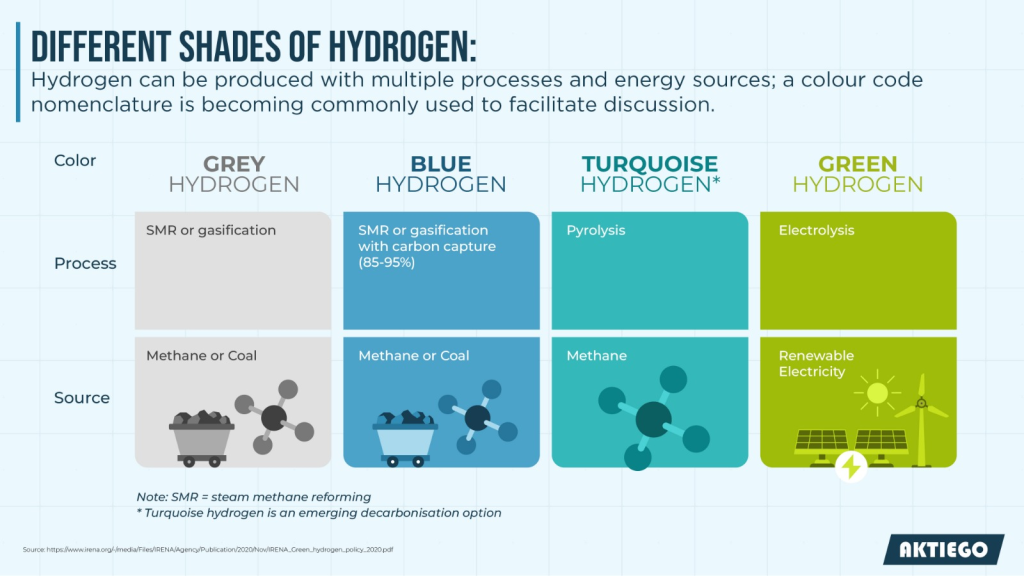
For operators serving hyperscale technology customers, relying entirely on diesel generation is becoming increasingly difficult to justify. The market for alternatives is expanding accordingly.
Target Markets
The markets targeted by decentralized hydrogen power share one characteristic. They require reliable electricity but lack timely access to grid infrastructure.
Mid-tier data centers represent one such segment. Hyperscale facilities operated by major technology companies can secure massive power purchase agreements and long-term utility partnerships. Smaller operators often cannot.
Edge computing facilities, regional AI clusters, and mid-scale colocation centers may require tens of megawatts of power but lack the scale to justify large infrastructure investments.
While hyperscale data centers often require 100 to 300 megawatts of power, many regional and edge facilities operate in the 5 to 50 megawatt range, a scale that frequently struggles to secure timely grid connections.
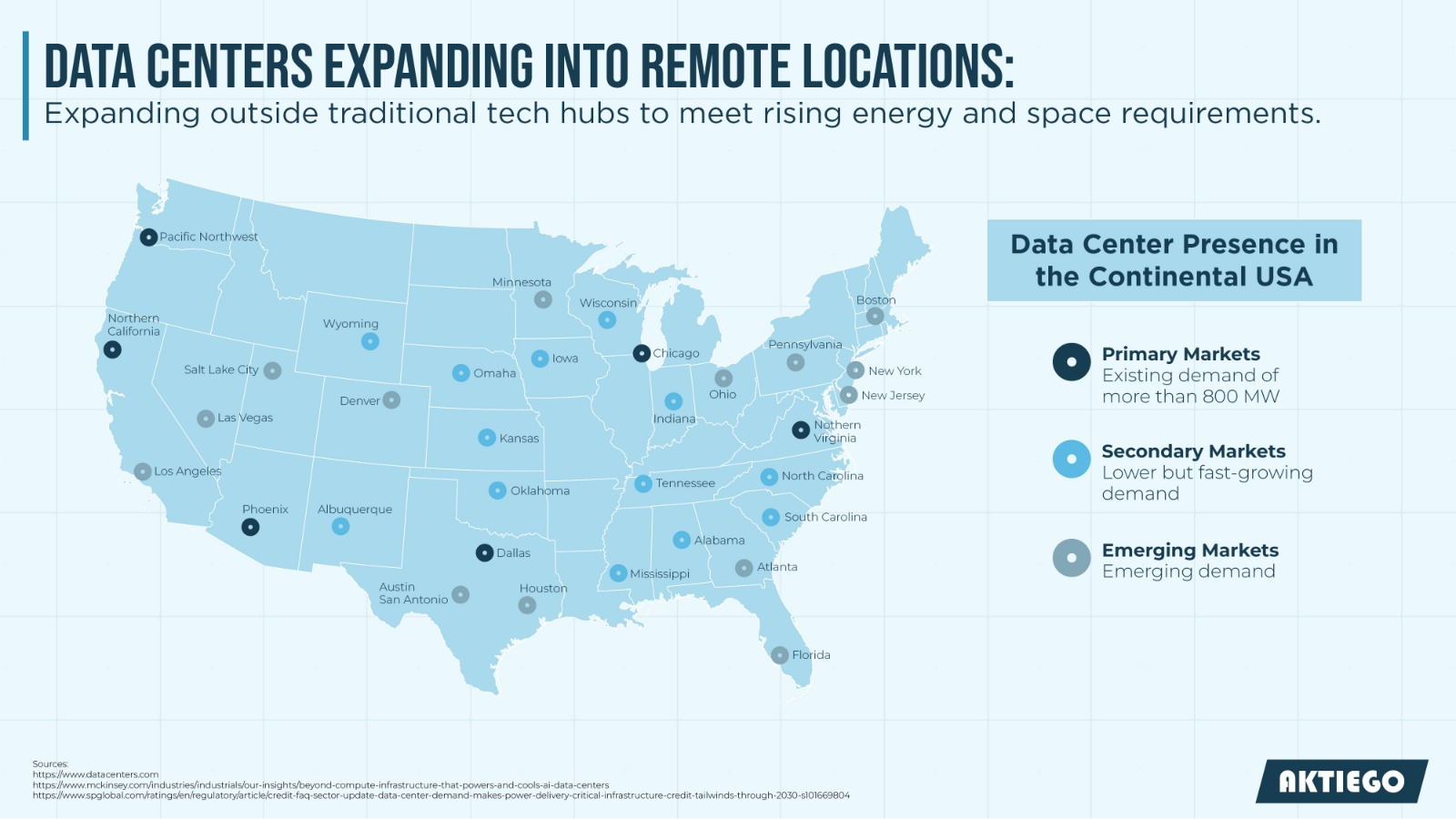
In a previous feature, AktieGo examined the scale of this trend in The Hidden Energy Cost of America’s Data Center Boom, which explored how AI computing and cloud infrastructure are rapidly increasing electricity consumption across North America.
The article highlighted how some regional grids are already struggling to accommodate new data-center development, with large facilities requiring tens or even hundreds of megawatts of continuous power.
The full article can be read here: https://aktiego.com/sectors/energy-green-tech/the-hidden-energy-cost-of-americas-data-center-boom/
Remote industrial operations represent another market. Mining sites, resource extraction facilities, and energy projects located far from existing grid infrastructure often rely on diesel generation.
Transporting diesel fuel to these locations can be extremely expensive. Military installations and remote communities face similar challenges. Reliable electricity is essential, but extending grid infrastructure to isolated locations can be economically impractical.
In all of these environments, modular on-site power systems may provide a practical alternative.
Infrastructure as a Service
Global Power Solutions intends to deploy its modular systems using a build-own-operate model common in infrastructure sectors. Under this approach, the company finances and installs the power system while selling electricity to the customer under a long-term agreement.
The arrangement produces recurring revenue similar to that generated by traditional utilities. As additional systems are deployed, the company’s asset base expands and contracted revenue grows alongside it.
This approach has been used successfully by several fuel cell developers serving large customers. Applying the same model to smaller modular deployments could allow similar economics to emerge at a different scale.
Conclusion: A Structural Shift in Energy Infrastructure
Electricity infrastructure is undergoing a transformation that occurs only occasionally in an industry’s history. For most of the twentieth century, electricity flowed in one direction: from large centralized power plants through transmission networks to end users.
That model produced some of the most stable and valuable businesses in the global economy. But it is no longer the only model.
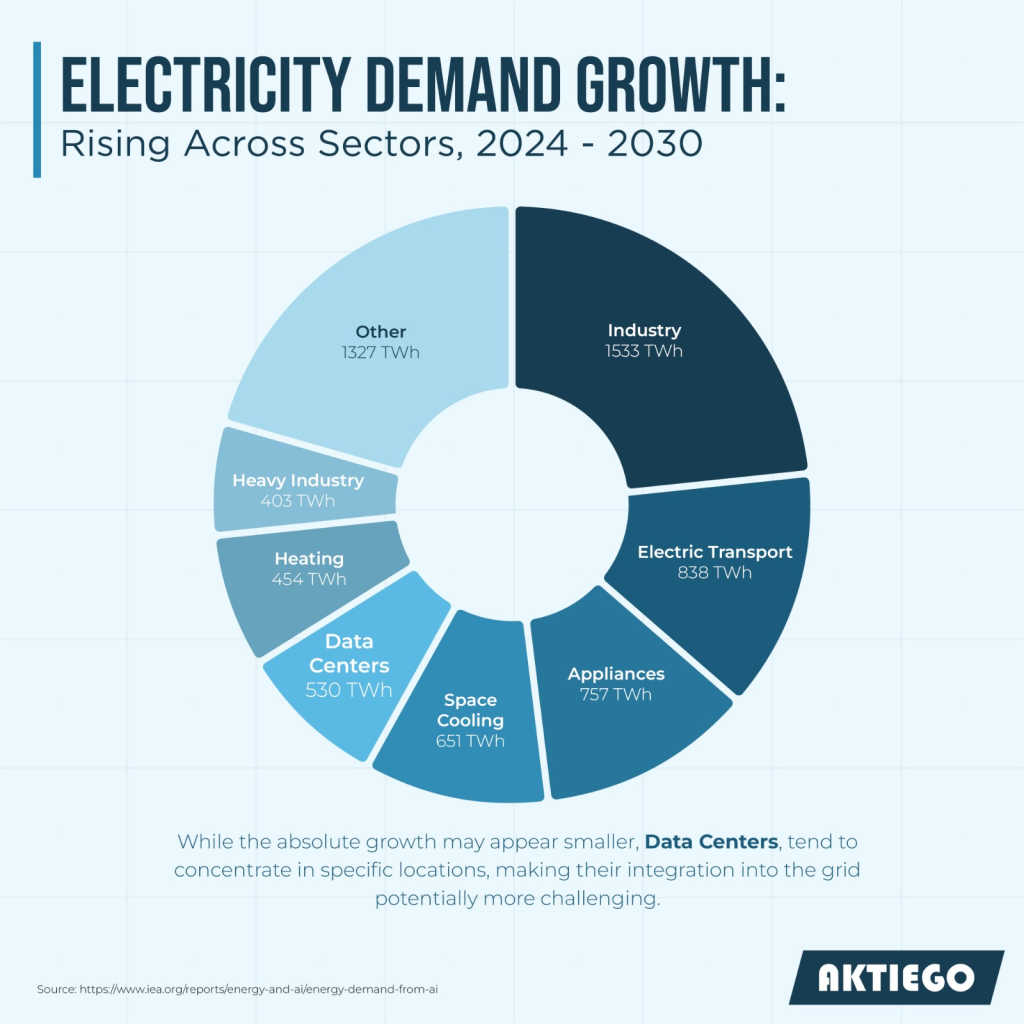
Rising electricity demand, grid expansion constraints, and advances in modular power technology are accelerating the growth of distributed energy systems capable of delivering electricity directly at the point of use.
Global electricity demand is projected to grow by around 3% annually, potentially increasing more than 60% by 2050 as electrification, digital infrastructure, and artificial intelligence expand.
The shift resembles the evolution of computing infrastructure. For decades computing power was centralized in large data centers. Then cloud computing emerged, allowing companies to access computing resources on demand through distributed infrastructure platforms.
Electricity may be beginning to follow a similar path. Centralized utilities will continue to exist. But the fastest-growing segments of electricity demand may increasingly be served by distributed infrastructure systems capable of delivering power quickly and flexibly wherever it is needed.
Companies that successfully build those platforms could occupy an important position in the future energy economy.
Sources
IEA Energy and AI, April 2025
https://www.iea.org/reports/energy-and-ai
Microsoft: Hydrogen Fuel Cells at Datacenters, 2022
https://news.microsoft.com/source/features/sustainability/hydrogen-fuel-cells-could-provide-emission-free-backup-power-at-datacenters-microsoft-says/
Hitachi Energy: diesel generator emissions data
https://www.hitachienergy.com/news-and-events/perspectives/2024/02/how-hydrogen-fuel-cells-can-decarbonize-backup-power-for-data-centers
Bloom Energy Q4 2025 Earnings, Feb 5 2026
https://investor.bloomenergy.com/press-releases/press-release-details/2026/Bloom-Energy-Reports-Fourth-Quarter-and-Full-Year-2025-Financial-Results-with-Record-Full-Year-Revenues/default.aspx
Plug Power Q4 2025 Earnings, Mar 2 2026
https://www.globenewswire.com/news-release/2026/03/02/3247844/9619/en/Plug-Power-Reports-Q4-and-Full-Year-2025-Results-with-Strong-Sales-Growth-and-Margin-Expansion.html
Ballard Power Systems: CNBC / PitchBook, 2026
https://www.cnbc.com/quotes/BLDP
FuelCell Energy: CNBC market data
https://www.cnbc.com/quotes/FCEL
AMP Energy: company website
https://www.amp.energy/
Brookfield/Bloom $5B AI Partnership, Oct 2025
https://investor.bloomenergy.com/press-releases/press-release-details/2025/Brookfield-and-Bloom-Energy-Announce-5-Billion-Strategic-AI-Infrastructure-Partnership/default.aspx
IEA Executive Summary: 945 TWh by 2030
https://www.iea.org/reports/energy-and-ai/executive-summary
S&P Global: IEA data center demand to double
https://www.spglobal.com/energy/en/news-research/latest-news/electric-power/041025-global-data-center-power-demand-to-double-by-2030-on-ai-surge-iea
The price of green hydrogen: How and why we estimate future production costs
https://theicct.org/the-price-of-green-hydrogen-estimate-future-production-costs-may24/
Microgrid Market projected to reach USD 108.1 Billion by 2030, growing at a CAGR of 15.1% during the forecast period of 2023-2030
https://finance.yahoo.com/news/microgrid-market-projected-reach-usd-093000310.html
Disclaimer
This content is for informational purposes only and does not constitute investment advice or a recommendation to buy or sell any security. Investing involves risk, including loss of capital. AktieGo and its contributors may hold positions in mentioned securities and may receive compensation for certain publications.
Full disclaimer: https://aktiego.com/disclaimer/