Vehicle numbers in Africa are set to double by 2050. That is faster than anywhere else in the world. The real question is not if mobility will grow but how it will happen.
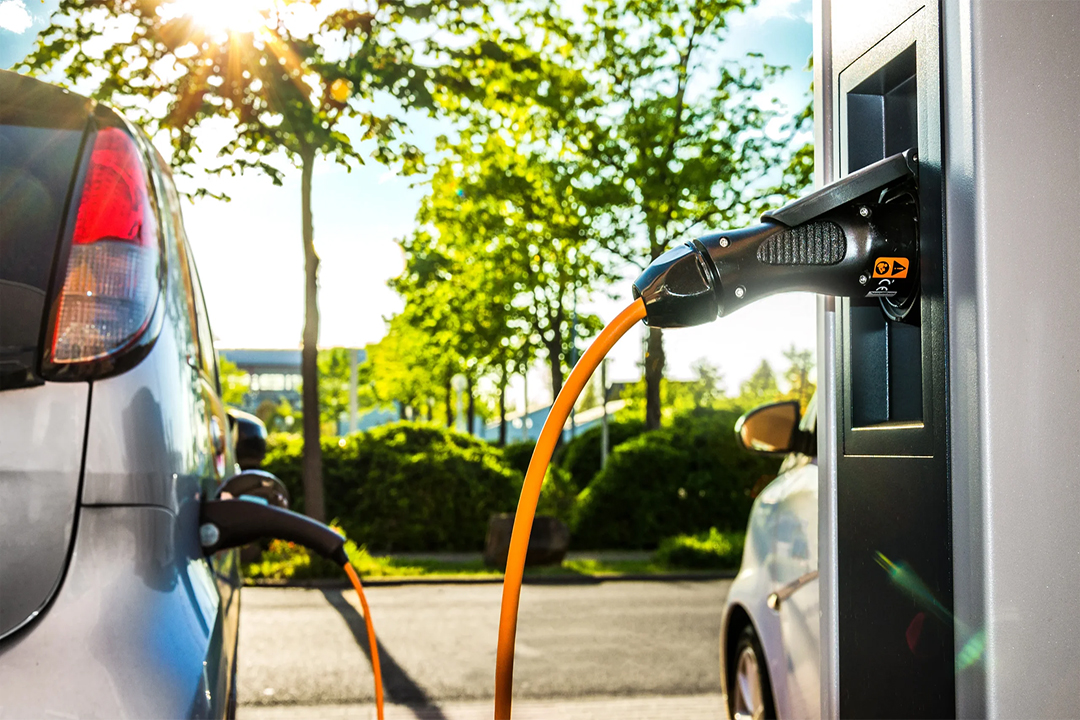
A new study from ETH Zurich and the Paul Scherrer Institute suggests electric vehicles may become cheaper than gas cars in many countries before 2040. The key is solar-powered off-grid charging. In places with unreliable electricity, small solar setups could be enough for daily travel.
Solar Changes the Game
Many models assume that grids will dominate transport in Africa. That is not always true. Researchers looked at more than 2,000 locations in 52 countries. Even small EVs traveling 50 kilometers per day could run on dedicated solar stations with batteries.
Costs are falling fast. Solar and battery prices have dropped. Affordable EVs from China are entering the market. Motorbikes and e-scooters are already economical in some countries.
Money Is the Main Barrier
The technology is ready. The main challenge is financing. In countries like Botswana or South Africa, loans are cheaper and adoption could happen faster. In other countries, like Guinea, borrowing costs are high. That slows the shift. Policy support may be required. Government-backed loans or international aid could make a big difference.
Synthetic Fuels Are Expensive
The study compared EVs with cars running on synthetic fuels. Even under optimistic assumptions, synthetic fuels remain costly. For passenger transport in Africa, EVs make more sense financially.
What About Government Revenue
Fuel taxes fund roads and other infrastructure. In low-income countries, they often account for more than nine percent of total revenue. Switching to EVs could reduce this income. Governments will need new ways to replace it, or budgets could be strained.
Bottom Line
Electric vehicles in Africa are possible and may arrive sooner than many expect. Solar-powered charging makes them cheaper and more reliable. Small vehicles like scooters and motorbikes could become cost-effective first. Financing and policy remain hurdles, but the potential is real. For investors, there could be significant opportunities in EVs and solar infrastructure over the next decade.