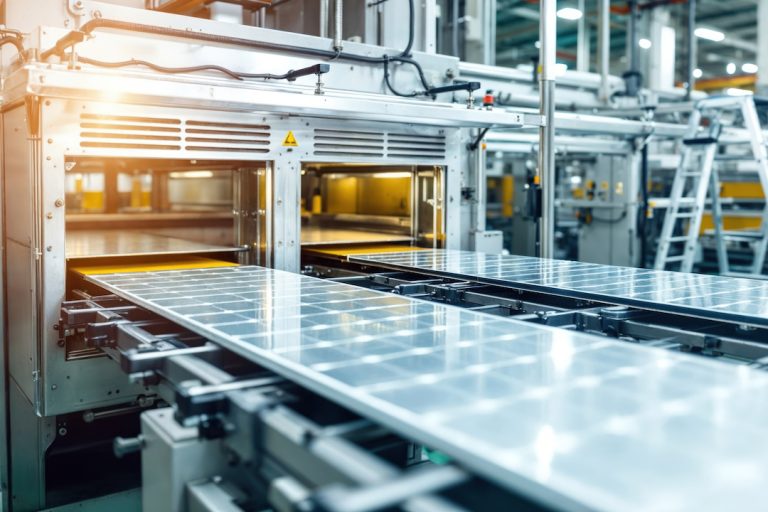
Solar panels are helping fight climate change, no doubt about it. But there’s a hidden issue. Most panels are basically made to be thrown away. By 2050, we could see as much as 250 million metric tons of solar waste. That’s from panels installed in the 2000s and 2010s reaching the end of their life.
The way panels are built makes this worse. They stack glass, plastic, and cells and glue everything together. That makes them last. But it also makes them almost impossible to repair. Recycling is an option, but honestly, it’s not great.
Recycling Misses Most of the Value
Right now, recycling usually only gets the glass and aluminum. The really valuable stuff, silver, copper, high-grade silicon, is mostly lost. Silver is tiny, only 0.14 percent of a panel, but it makes up over 40 percent of its material value. When panels are crushed, the silver just disappears into dust. That’s billions of dollars wasted. Some estimates say up to $15 billion by 2050.
Repair and Reuse Beat Recycling
Fixing or reusing panels is better. It keeps materials in use, saves energy, and can even make money. But you can only do that if panels are designed for it. Most today are not.
Panels Need a New Design
Future panels should be modular. Frames, connectors, boxes, everything should be easy to remove. Adhesives should let layers separate without breaking anything. Standardized parts and good documentation help technicians repair instead of trashing panels. The goal is long-lasting panels that don’t waste valuable resources.
Digital Tools Can Help
Digital tools can make a difference. The EU’s Digital Product Passport will tell you what materials are in a panel, how it was put together, and how to repair it. Digital twins can track performance and flag issues early. But here’s the catch: if the panel is glued shut, no software can fix that. Design comes first.
Act Now
The solar industry has a short window to act. If we keep making panels that are basically disposable, today’s solar boom could turn into tomorrow’s waste mountain. Panels must be repairable, disassemblable, and long-lasting. Otherwise, the environmental benefits of solar could be lost in all that trash.