
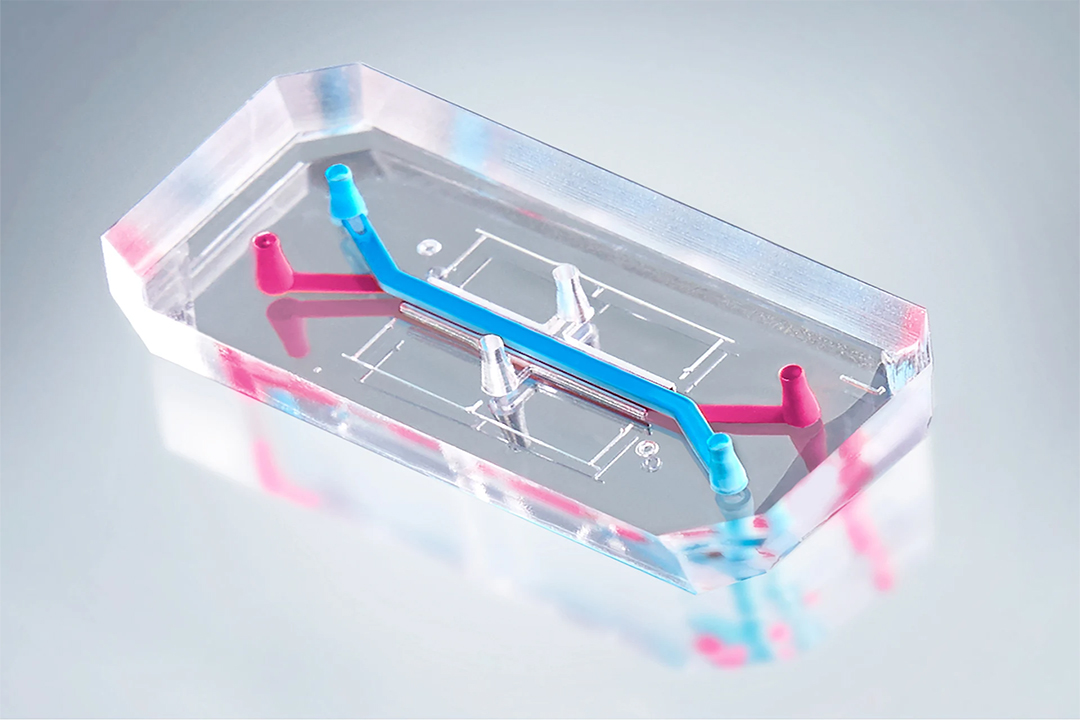
Scientists have made a human lung-on-a-chip that mimics the tiny air sacs in the lungs, called alveoli. You could say it’s like a mini-lung in a lab dish. It might help researchers understand how TB infects the lungs and how treatments could work for different people.
The study, published in Science Advances, comes from the Francis Crick Institute and biotech company AlveoliX. They used stem cells from a single donor to make the model. That’s important because previous models mixed different cell types and often didn’t behave like a real lung.
Why It’s Important
Alveoli are key for breathing and act as a barrier against viruses and bacteria. Studying them has been hard because animal models and mixed-cell systems don’t replicate human lung function well. Max Gutierrez, PhD, from the Crick, said organ-on-chip models are “becoming more important to recreate human systems while avoiding differences between humans and animals.”
How the Chip Works
Researchers grew alveolar epithelial cells and blood vessel cells on opposite sides of a thin membrane. The device stretches the membrane to simulate breathing. Because all cells come from the same donor, it can mimic how an individual’s lung might respond to infection.
When infected with TB, clusters of dead macrophages appeared. After five days, the barriers broke down, showing early lung damage. Jakson Luk, PhD, said TB is slow to show symptoms, and the chip gives a “holistic picture of how different lung cells respond early on.”
What’s Next
The team wants to use the model for other infections, lung cancer, and testing personalized treatments. They also plan to add more cell types to make it even more realistic. For now, it’s a promising step toward studying lung disease in a human-relevant way.