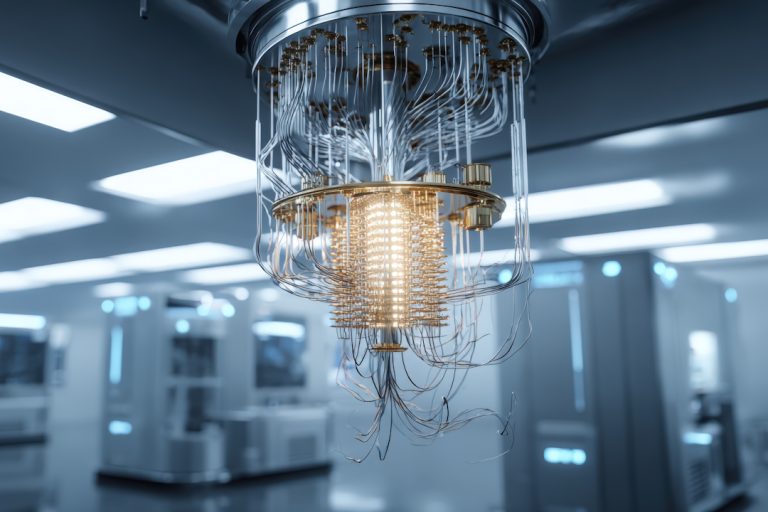
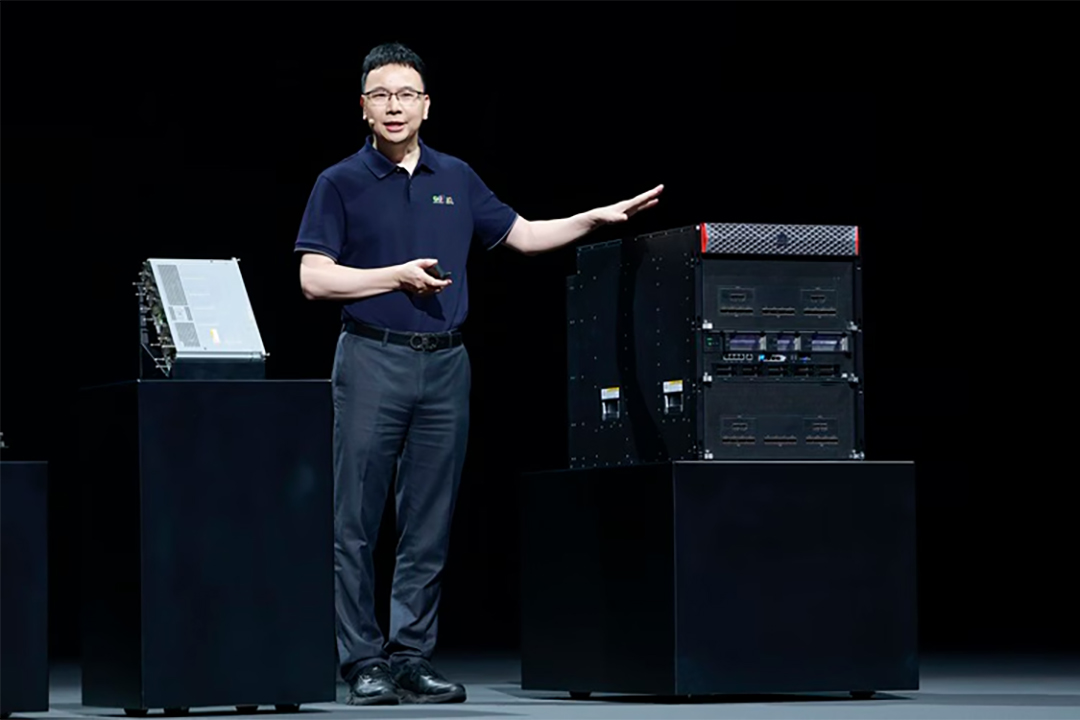
At the MWC Barcelona 2026 summit, Huawei has officially launched its SuperPoD computing portfolio, headlined by the Atlas 950 and TaiShan 950. This debut represents a strategic pivot toward “open collaboration” and resilient infrastructure as AI models transition into the “trillion-parameter” era.
I’m seeing a clear technical shift here. Huawei is moving away from traditional horizontal scaling—which often leads to frequent training interruptions—in favor of a unified architecture that treats massive clusters as a single machine.
The UnifiedBus Breakthrough
The core of the SuperPoD’s efficiency is the UnifiedBus interconnect. This technology addresses the latency bottlenecks that plague most large-scale AI clusters.
- Atlas 950 SuperPoD: This powerhouse can connect up to 8,192 NPUs (Neural Processing Units) via UnifiedBus.
- Logical Computer: By using unified memory addressing and ultra-low latency, the system functions as one “logical computer” rather than a fragmented cluster of individual servers.
- Atlas 850E: Introduced alongside the 950, this unit is designed for versatile AI training and high-intensity inference scenarios.
TaiShan 950: General-Purpose Computing at Scale
In a world-first, Huawei also introduced the TaiShan 950 SuperPoD, the industry’s first general-purpose computing SuperPoD.
- Scalability: It provides flexible options for general workloads ranging from low to high intensity.
- TaiShan Series: The lineup also includes the next-gen TaiShan 500 and TaiShan 200 servers, rounding out a computing foundation built for resilience.
Open Source Ecosystem: openEuler & CANN
Huawei isn’t just selling hardware; it’s pushing for an open software ecosystem to compete with proprietary giants.
- openEuler: Now one of the world’s leading open-source operating systems, it provides the backbone for the SuperPoD architecture.
- CANN Open Source: Huawei has fully open-sourced its CANN heterogeneous compute architecture. From operator libraries to programming languages, the entire stack is now available to developers.
- Community Support: CANN now supports popular projects like PyTorch, vLLM, and Triton, making it easier for AI developers to port their models to Huawei hardware.
| Product | Use Case | Key Tech |
| Atlas 950 SuperPoD | Trillion-parameter AI training | UnifiedBus (8,192 NPUs) |
| TaiShan 950 SuperPoD | General-purpose computing | Scalable Cluster Architecture |
| Atlas 850E | AI Training & Inference | UnifiedBus Interconnect |
| openEuler | Operating System | Open Source Community Driven |
“The Atlas 950 SuperPoD… connects up to 8,192 NPUs via UnifiedBus, delivering ultra-high bandwidth and ultra-low latency. It operates as a single, logical computer for learning and reasoning.” — Huawei Technical Team
Editorial Disclosure: This report is for informational purposes only. It is based on a press release from Huawei dated February 28, 2026. This content does not constitute financial or technical advice. Performance of SuperPoD systems may vary based on specific network configurations and software optimization. Please read our full Disclaimer.