India is electrifying faster than China did at the same stage of development. Per person, it uses less coal and oil than China did back in 2012. That means the country can grow without relying on fossil fuels as much. For investors, this shift is worth paying attention to.
Kingsmill Bond from Ember points out that emerging markets don’t need to copy the West or China. Clean electricity can drive growth and reduce energy imports. That’s a big deal for a country that spends around $150 billion a year on coal, oil, and gas.
Why India Is Ahead
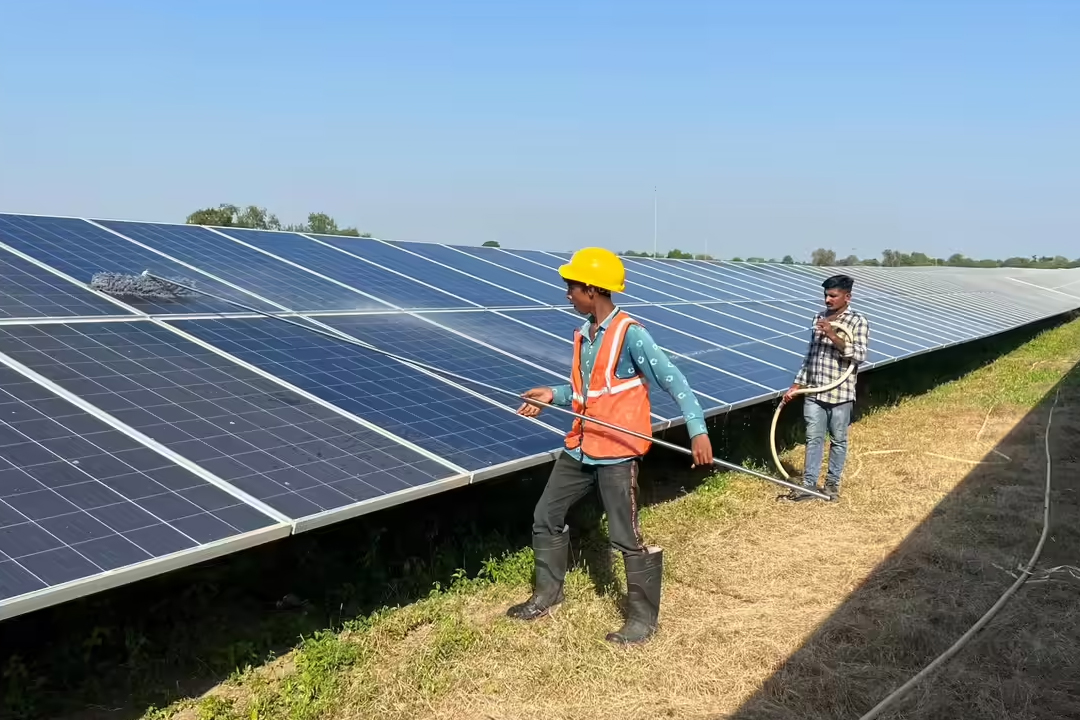
The costs of solar panels, electric vehicles, and batteries are lower than they were in China ten years ago. That has helped India adopt clean technologies quickly. In 2024, 5 percent of new car sales were electric. Oil use for cars is still far below where China was at the same income level.
Faster adoption and lower costs mean India may never reach China’s old per-capita oil consumption. For investors, that points to growth in EVs, battery production, and solar projects.
Manufacturing Bottlenecks and Opportunities
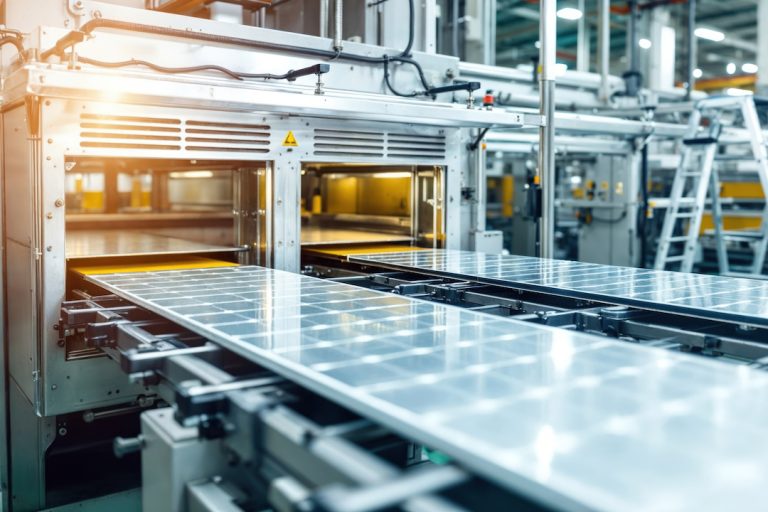
India wants to build domestic clean energy production. Reliance Industries had to pause a battery project because it couldn’t get equipment from China. That shows there is a gap in the supply chain. Companies that can produce solar panels, batteries, or related components locally could benefit a lot.
China still dominates the manufacturing of solar panels, battery cells, and other electrotech. But India and other countries are looking to reduce dependence. That could create openings for new players in the market.
Bottom Line
India is moving quickly to clean electricity. It makes economic sense and reduces reliance on imports. Investors who back solar, EVs, batteries, and local manufacturing could see strong growth over the next decade.
Bond calls India a “future electrostate.” That’s a clear signal that this is more than a climate story—it’s a market opportunity.