For decades, uranium has been associated almost exclusively with nuclear weapons, Cold War politics, and catastrophic accidents such as Chernobyl and Fukushima. Yet that perception overlooks uranium’s far more significant role today. Far from being a military commodity, uranium has become an essential fuel for one of the world’s most reliable sources of clean electricity.
As nations race to decarbonize their economies while meeting unprecedented electricity demand from artificial intelligence, data centers, electric vehicles, and industrial electrification, nuclear power is once again moving to the forefront of global energy policy. At the center of this revival lies uranium—a commodity that, after years of underinvestment, is becoming increasingly important to governments, utilities, and investors alike.
Beyond Nuclear Weapons: What Uranium Is Really Used For
Natural uranium is primarily mined for one purpose: generating electricity.
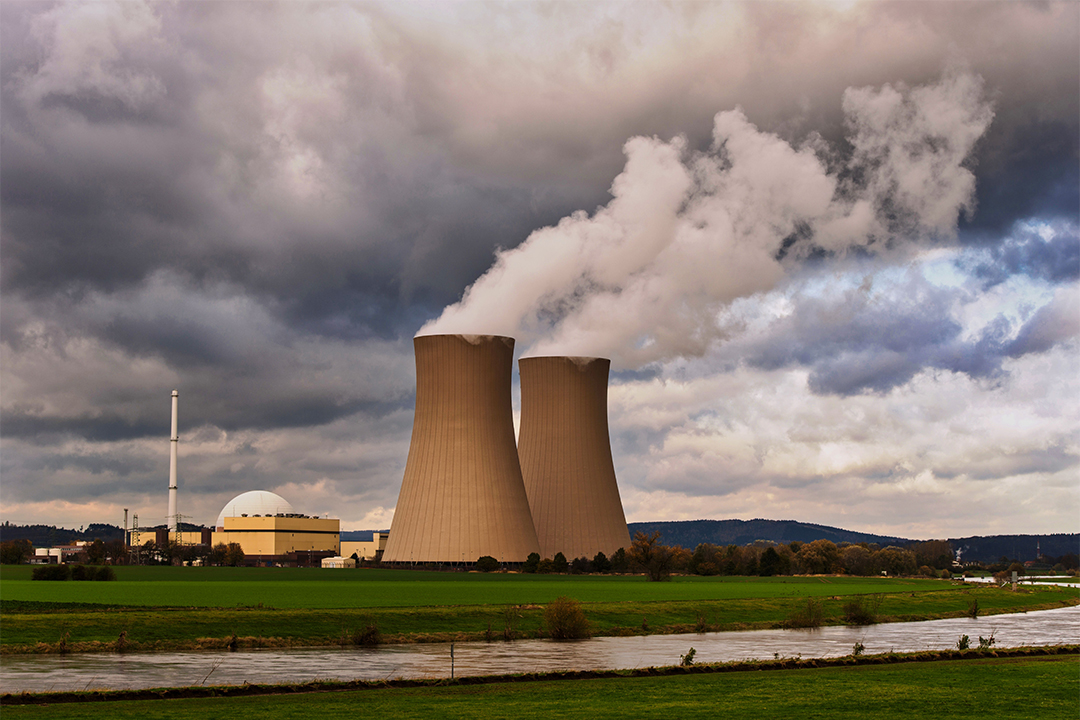
Once processed and enriched, uranium fuel powers nuclear reactors capable of producing massive amounts of electricity around the clock without emitting greenhouse gases during operation. Unlike solar and wind power, which depend on weather conditions, nuclear plants provide continuous baseload power, making them an attractive complement to renewable energy.
Beyond electricity generation, uranium also supports several specialized industries. Nuclear reactors are used to produce medical isotopes essential for cancer treatments and diagnostic imaging, while naval reactors power submarines and aircraft carriers for several countries. Research reactors also contribute to scientific and industrial development.
Importantly, the uranium produced by mining companies is not weapons-grade material. Mining companies extract uranium oxide, commonly known as yellowcake (U₃O₈), which must undergo extensive conversion, enrichment, and processing before it can be used as reactor fuel. The production of weapons-grade uranium requires enrichment levels far beyond those used in civilian nuclear power and is tightly controlled under international safeguards.
The World Needs More Electricity—A Lot More
The renewed interest in uranium is driven by a simple reality: global electricity demand is rising far faster than previously expected.
Artificial intelligence has become one of the largest new consumers of electricity. Training and operating advanced AI models require enormous computing infrastructure, while hyperscale data centers consume vast amounts of continuous power. Major technology companies including Microsoft (Nasdaq: MSFT), Amazon (Nasdaq: AMZN), Alphabet (Nasdaq: GOOGL), Meta (Nasdaq: META), Oracle (NYSE: ORCL), and Equinix (Nasdaq: EQIX) have all announced nuclear-related investments, partnerships, or power purchase agreements as they seek reliable long-term energy sources.

At the same time, governments worldwide are encouraging the electrification of transportation, heating, and industrial processes as part of broader climate strategies. Electric vehicles, heat pumps, hydrogen production, and modern manufacturing all increase electricity consumption.
The challenge is that renewable energy alone cannot always provide consistent power when demand peaks or weather conditions change. Nuclear energy fills that gap by providing stable, low-carbon electricity twenty-four hours a day.
Recognizing this, governments are expanding their nuclear ambitions. The International Atomic Energy Agency projects that global nuclear generating capacity could double by 2050. In the United States, executive orders issued in 2025 outlined plans to increase domestic nuclear capacity from roughly 100 gigawatts today to 400 gigawatts by mid-century. Similar expansion plans are underway across China, India, South Korea, and several European nations.
Years of Underinvestment Created Today’s Supply Challenge
While demand has accelerated, uranium supply has struggled to keep pace.
Following the Fukushima nuclear accident in 2011, uranium prices collapsed as several countries delayed or canceled reactor projects. Low prices forced many mining companies to suspend operations, delay new developments, and reduce exploration spending. For much of the following decade, the industry lacked sufficient economic incentives to build new mines.
Unlike many commodities, uranium projects cannot be brought online quickly. New mines often require years of environmental permitting, financing, engineering, and construction before production begins. As a result, today’s supply shortage reflects decisions made many years ago.
Utilities, recognizing the importance of securing long-term fuel supplies, have increasingly shifted toward signing multi-year contracts, contributing to stronger uranium prices and renewed investment across the mining industry.
A Concentrated Supply Chain Raises Strategic Questions
Another reason uranium has attracted investor attention is the geographic concentration of global production.
A significant portion of the world’s uranium supply originates from a relatively small number of countries, creating potential supply chain vulnerabilities for Western utilities. According to World Nuclear Association data:
| Country | Approximate Share of Global Mine Production |
| Kazakhstan | 39% |
| Canada | 24% |
| Namibia | 12% |
| Australia | 8% |
| Uzbekistan | 6% |
| Russia | 5% |
While Canada and Australia remain politically stable suppliers, approximately half of global uranium production comes from Kazakhstan, Uzbekistan, and Russia. Although Kazakhstan has long been a reliable supplier, geopolitical uncertainty and increasing concerns over supply chain resilience have encouraged many Western governments and utilities to diversify their sources of uranium.
This growing emphasis on energy security has increased interest in uranium projects located in politically stable jurisdictions such as Canada, Australia, and the United States.
A New Investment Cycle Is Beginning
Industry forecasts suggest the uranium sector is entering a multi-year expansion.
According to Visible Alpha consensus estimates, aggregate uranium revenue among major listed producers is expected to grow from approximately US$4.7 billion in 2023 to nearly US$14.9 billion by 2033. Average realized uranium prices are forecast to rise from roughly US$60 per pound in 2023 to nearly US$99 per pound by 2033, reflecting stronger long-term demand and tighter supply.
Production is also expected to expand significantly. Combined output among major producers covered by analyst forecasts is projected to increase from approximately 58.5 million pounds in 2025 to more than 141 million pounds by 2033 as new projects enter commercial production.
Capital investment is following the same trend. Mining companies are committing billions of dollars toward new mine construction, expansion projects, and exploration as the industry prepares for the next decade of growth.
The Companies Leading Uranium’s Revival
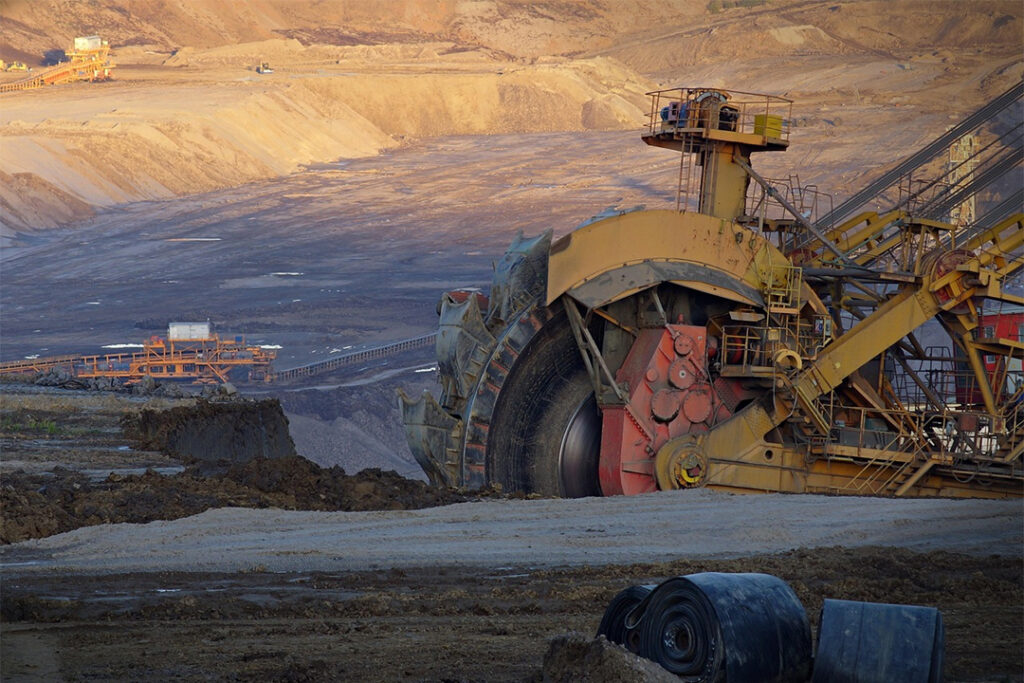
Although dozens of uranium companies are publicly listed, only a handful currently dominate the global market or are positioned to significantly influence future supply.
Cameco (NYSE: CCJ; TSX: CCO)
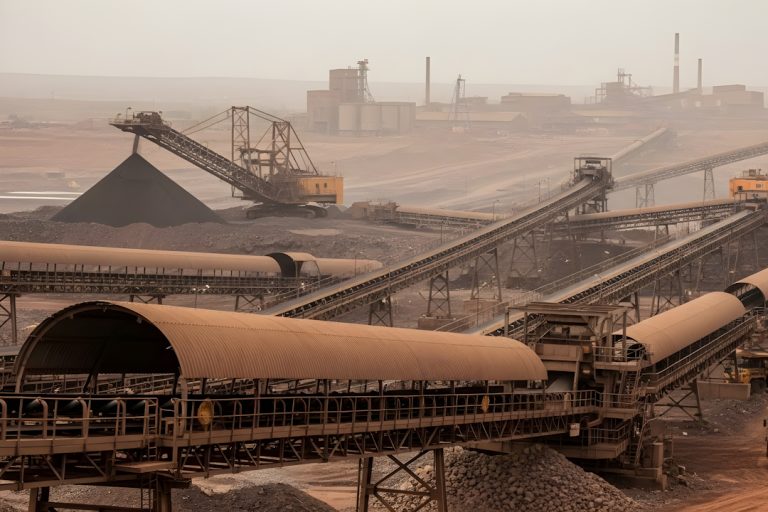
Canada’s Cameco remains one of the world’s largest uranium producers and is widely regarded as the benchmark Western uranium company. Its high-grade Canadian assets, including the McArthur River and Cigar Lake mines, make it one of the industry’s lowest-cost and most strategically important suppliers. As governments seek secure sources of uranium outside geopolitically sensitive regions, Cameco has become increasingly central to Western nuclear fuel security.
Kazatomprom (LSE: KAP; AIX: KZAP)
Kazakhstan’s state-owned Kazatomprom is the world’s largest uranium producer, accounting for roughly two-fifths of global mine supply. Its extensive in-situ recovery operations have allowed it to maintain low production costs and dominate the global uranium market. However, despite its scale, geopolitical considerations have led some investors to assign a valuation discount relative to Western peers.
NexGen Energy (NYSE: NXE; TSX: NXE)
Among development-stage companies, NexGen Energy has attracted significant investor attention through its Arrow Project in Canada’s Athabasca Basin—one of the highest-grade undeveloped uranium deposits in the world. While the project has yet to enter commercial production, many analysts expect it to become one of the industry’s largest future uranium mines.
Uranium Energy Corp. (NYSE American: UEC)
Uranium Energy Corp. has emerged as one of the leading American uranium companies, assembling a growing portfolio of projects across the United States while positioning itself to benefit from efforts to rebuild domestic uranium production. As governments seek greater supply independence, UEC has become an increasingly important player in North America’s uranium strategy.
Looking Ahead
The uranium story is no longer simply about commodity prices.
It is a story about artificial intelligence, data centers, energy security, decarbonization, and the future of electricity itself.
For years, uranium remained largely overlooked following the Fukushima disaster, but changing global energy priorities have fundamentally altered the industry’s outlook. Governments are expanding nuclear power, utilities are securing long-term fuel supplies, and mining companies are once again investing billions of dollars to develop new projects.
Whether every uranium developer ultimately succeeds remains uncertain. The industry still faces permitting challenges, financing risks, and the potential for future commodity price volatility. Yet the broader trend appears increasingly clear.
As the world searches for reliable, low-carbon electricity capable of supporting the next generation of technological and industrial growth, uranium has re-emerged as one of the most strategically important commodities of the 21st century.
Sources
- International Atomic Energy Agency: IAEA Raises Nuclear Power Projections for Fifth Consecutive Year, September 15, 2025
- US Department of Energy: 9 Key Takeaways from President Trump’s Executive Orders on Nuclear Energy
- The White House: Ordering the Reform of the Nuclear Regulatory Commission, Executive Order, May 23, 2025
- World Nuclear Association: World Uranium Mining Production, 2024 country data
- S&P Global Market Intelligence: Uranium’s Next Decade — From Tight Supply to a Broader Mining Boom, February 18, 2026
- Cameco Corporation: Uranium Operations, McArthur River and Cigar Lake
- NAC Kazatomprom JSC: Company Overview
- NexGen Energy: Rook I Project, Arrow Deposit, Athabasca Basin
- Uranium Energy Corp.: Corporate Overview
Editorial Disclosure
This article is based entirely on publicly available information including company disclosures, government publications, and industry and analyst research. Securities discussed include Cameco Corporation (NYSE: CCJ; TSX: CCO), NAC Kazatomprom JSC (LSE: KAP; AIX: KZAP), NexGen Energy Ltd. (NYSE: NXE; TSX: NXE), and Uranium Energy Corp. (NYSE American: UEC). aktiego.com has not received any compensation from any company mentioned, their management, investor relations representatives, or any third party in connection with this article. No staff member or principal of aktiego.com holds a position in any security mentioned at the time of publication. Production share data is sourced from the World Nuclear Association and reflects 2024 figures, the most recent year for which comprehensive country-level data is available. Revenue, pricing, and production forecasts are sourced from S&P Global Market Intelligence’s reporting of Visible Alpha consensus estimates and represent analyst projections, not guarantees of future performance. Nuclear capacity projections are sourced from the International Atomic Energy Agency’s high-case and low-case scenarios and from US Department of Energy and White House executive order documentation; these are policy targets and agency projections, not assured outcomes. NexGen Energy’s Arrow Project has not yet entered commercial production, and any reference to its future scale reflects analyst expectations rather than confirmed results. Uranium mining, processing, and nuclear power generation carry operational, regulatory, geopolitical, and commodity price risks, including the potential for total loss of capital for equity investors. Coverage on aktiego.com is provided for informational and educational purposes only. aktiego.com is not a registered investment advisor. Nothing in this article constitutes financial, investment, or professional advice. Readers are encouraged to conduct their own due diligence and consult a qualified financial advisor before making any investment decisions. For more information please see our full DISCLAIMER.